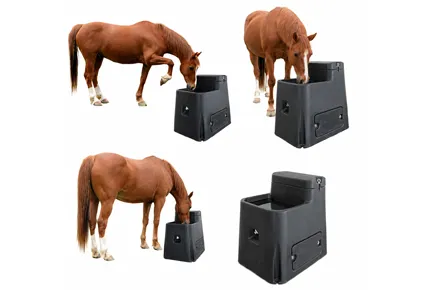
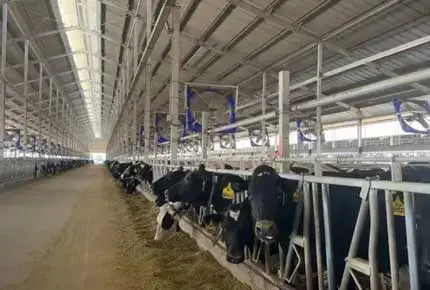
Planning an effective watering system in a dairy barn requires careful consideration of the number of watering points, water flow rates, and installation locations. For most dairy farms, each group of cows needs sufficient access to drinking water to prevent competition. Every drinking bowl or automatic waterer must also provide an adequate water supply during peak drinking periods.
A well-designed watering system not only ensures that dairy cows have continuous access to clean water but also helps support feed intake, maintain stable milk production, and improve overall farm conditions.When planning dairy cattle watering facilities, simply increasing the number of drinking points is not enough. The system should be designed according to herd size, barn layout, climate conditions, and the natural drinking behavior of dairy cows.
How Many Drinking Bowls Do Dairy Cows Need?
The number of drinking bowls required in a dairy barn mainly depends on herd size and how the animals are grouped. A good watering system should allow multiple cows to drink at the same time, especially during periods of high water demand, such as after milking or feeding.
For high-producing dairy cows, preliminary planning considerations may include:
Providing at least one individual watering point for every 15–20 cows, with additional points where required by herd conditions or welfare guidelines;
Increasing the number of watering facilities in hot climates or large herds;
Ensuring cows can easily find drinking water without traveling long distances.
The final number should also account for the type and capacity of each waterer.Providing enough drinking bowls can reduce waiting times and prevent dominant cows from restricting access for less dominant animals.
If there are too few watering points, some cows may reduce their drinking frequency, potentially affecting feed digestion, physical condition, and production performance.
What Flow Rate Do Dairy Cattle Waterers Need?
Water flow rate is an important factor affecting drinking efficiency. Even when a barn has enough watering points, a slow refill rate may prevent the system from meeting the high water demand that occurs within a short period.
For dairy watering system design, a commonly considered flow rate range is approximately:
10–20 liters per minute (L/min)
However, actual flow rate requirements depend on herd size, milk production levels, climate conditions, and the type of watering equipment used. The rated flow rate of an individual drinking bowl may differ from the requirements of a larger water trough.
High-producing dairy cows consume considerable amounts of water every day. During hot summer weather or immediately after milking, many cows may drink within the same period. Therefore, watering equipment must be capable of replenishing water quickly enough to meet demand.
When designing the water supply system, several factors should be evaluated:
Whether the pipe diameter can maintain stable water pressure;
Whether the drinking valves can open and close efficiently;
Whether the equipment can continuously replenish the water supply;
Whether the drinking water remains clean and hygienic.
A reliable livestock watering system must do more than simply deliver water. It should ensure that dairy cows can access sufficient drinking water whenever they need it.
Where Should Drinking Bowls Be Installed in Dairy Barns?
The location of watering points directly affects how frequently cows drink and how efficiently they use the equipment.
A well-planned watering layout should follow the natural movement patterns of dairy cows, allowing them to access water without significantly changing their normal daily activities.
Near the Milking Area Exit
Dairy cows often have a strong desire to drink after milking. Installing watering points near the exit of the milking area allows cows to replenish water soon after leaving the milking parlor.
This placement can help accommodate periods of concentrated drinking demand.
Close to Feeding Areas
Drinking and feeding behavior are closely connected. Installing watering equipment near feeding areas can support normal feed intake and water consumption.
However, the drinking area should not be too narrow, as limited space can cause congestion and competition among cows.
Along Main Cattle Movement Routes
Watering points should be positioned near the routes that cows regularly use throughout the barn.
This allows animals to approach drinking areas naturally without interfering with resting or movement.
Drinking bowls should generally not be installed in:
How Far Should Dairy Cows Travel to Reach Water?
Modern dairy barn design focuses on reducing the distance cows must travel to find drinking water.
Ideally, every cow should be able to access a watering point conveniently within its normal activity area.
If drinking water is located too far away, several problems may occur:
Reduced drinking frequency;
Limited water access for less dominant cows;
Increased risk of heat stress during hot weather.
Convenient access to drinking water is particularly important for recently calved cows, older animals, and high-producing dairy cows.
An effective watering system should be designed around the natural movement and drinking behavior of the animals rather than requiring cows to adapt to inconvenient equipment placement.
How Can Automatic Watering Systems Improve Dairy Farm Management Efficiency?
Automatic watering systems provide a continuous water supply while reducing the manual work required for checking and refilling drinking equipment.
Compared with traditional manual watering methods, automatic waterers offer several advantages:
Maintaining a continuous water supply;
Reducing manual labor requirements;
Helping minimize the risk of water contamination;
Improving daily barn management efficiency.
For large-scale dairy farms, selecting durable and easy-to-maintain automatic watering equipment is essential for supporting stable long-term operations.
A properly selected cattle drinker with an automatic refill mechanism can help maintain water availability throughout the day, particularly when many cows need to drink after feeding or milking.
However, automatic operation does not eliminate the need for routine inspections. Water supply lines, valves, and drinking surfaces should still be checked regularly to ensure reliable performance.
What Factors Should Be Considered When Choosing a Dairy Cattle Watering System?
Selecting the right dairy cattle watering equipment involves more than comparing the capacity of different drinking bowls or troughs.
Several factors should be evaluated to ensure the system matches the actual needs of the farm.
Herd Size and Production Level
High-producing dairy cows generally require more drinking water than lower-producing animals.
Therefore, both the number of watering points and the total water supply capacity must match the herd's requirements.
Larger herds may also require multiple watering locations to reduce competition and ensure convenient access.
Dairy Barn Environment
Open barns, free-stall barns, and traditional tie-stall barns have different requirements for watering equipment and installation layouts.
For example, free-stall barns need drinking points that are accessible to multiple animals without causing congestion, while tie-stall systems may use individual drinking bowls.
The chosen equipment should match the barn structure and the animals' movement patterns.
Materials and Durability
When selecting a cow water drinking bowl for a dairy farm, it is important to consider the material's strength, durability, and ease of cleaning.High-quality drinking bowls should offer:
Stainless steel and high-strength engineered materials, including durable plastics, are commonly used in commercial livestock watering equipment.
Choosing suitable materials can help reduce equipment damage and support long-term use in demanding dairy farm environments.
Daily Maintenance Requirements
Drinking equipment should be designed for convenient cleaning, inspection, and maintenance.
Features such as easily accessible drinking surfaces, simple valve replacement, and reliable operating mechanisms can reduce equipment downtime and improve overall farm management efficiency.
Regular maintenance also helps maintain drinking water hygiene and prevents minor equipment problems from interrupting the water supply.
Conclusion
Planning watering points in dairy barns requires a balanced approach to drinking bowl quantity, water flow rate, and equipment placement.
A properly designed watering system ensures that dairy cows can access clean drinking water conveniently, helping improve animal welfare and support farm productivity.
Selecting the appropriate number of drinking bowls and efficient automatic watering equipment can help dairy farms improve water management while reducing daily maintenance requirements.
Through proper layout planning and equipment selection, a reliable watering system can become an important part of modern dairy farm management.
Frequently Asked Questions (FAQs)
How Many Cows Can Share One Drinking Bowl?
As an initial planning estimate, one individual drinking bowl may be allocated for approximately 15–20 cows. However, the appropriate number depends on herd size, climate, equipment capacity, and applicable animal welfare guidelines. Some housing recommendations require more drinking points.
What Flow Rate Is Recommended for Dairy Cattle Waterers?
A flow rate of approximately 10–20 liters per minute is a general design reference for some dairy watering systems. The required flow rate depends on the type of waterer, herd size, and peak drinking demand. Always check the specifications of the selected equipment.
Why Is Watering Point Placement Important?
Proper placement reduces the distance cows need to travel, minimizes congestion, and helps ensure that all animals have convenient access to drinking water.
Are Automatic Waterers Suitable for Large Dairy Farms?
Yes. Automatic waterers are suitable for large dairy farms because they can maintain a continuous water supply while reducing manual refilling and daily management work.
How Often Should Dairy Cattle Drinking Bowls Be Cleaned?
Drinking equipment should be inspected daily and cleaned regularly to maintain water hygiene and encourage normal drinking behavior. Cleaning frequency should be increased whenever visible contamination occurs.


 English
 中文
 日本語
 français
 Deutsch
 Español
 русский
 português
 العربية