Summary
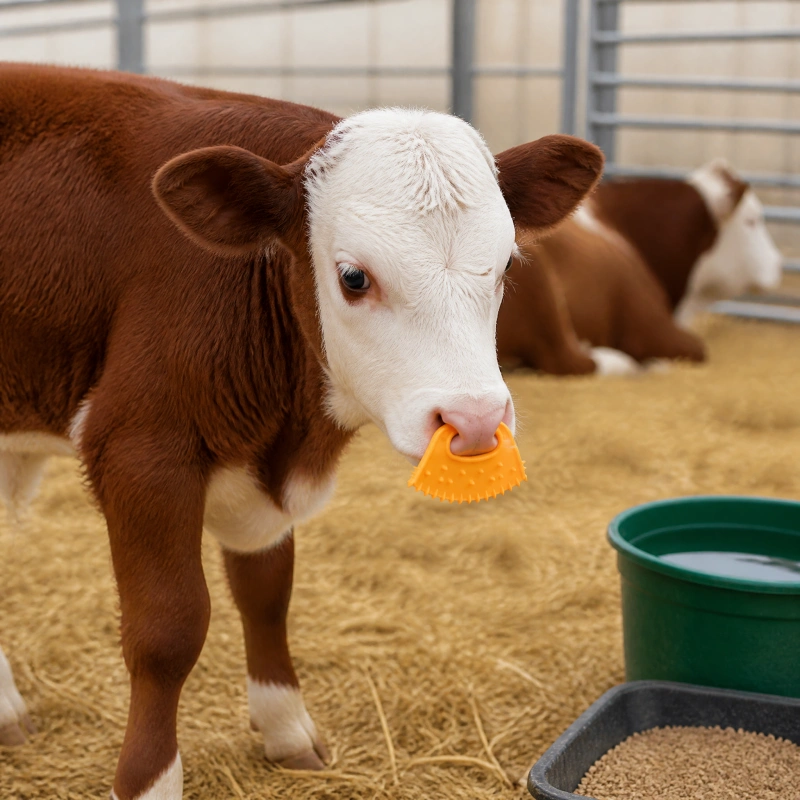
A cattle weaner is a small plastic nose ring that stops calves from nursing while letting them graze, drink, and stay close to the cow. Fitted by hand in seconds, it makes two-step weaning calm and predictable, and it protects the daily gain that drives your bottom line. In a typical program the weaner stays on for 4-7 days, then the calf is separated from the dam and the ring is removed. Because the device is washable and reusable, one small purchase serves many calves over many seasons. This guide explains what a cattle weaner is, why it beats sudden separation, and how to run a three-step weaning program around it — from fitting the ring to releasing the calf — so you keep stress low and weight gain steady through the transition.
What Is a Cattle Weaner?
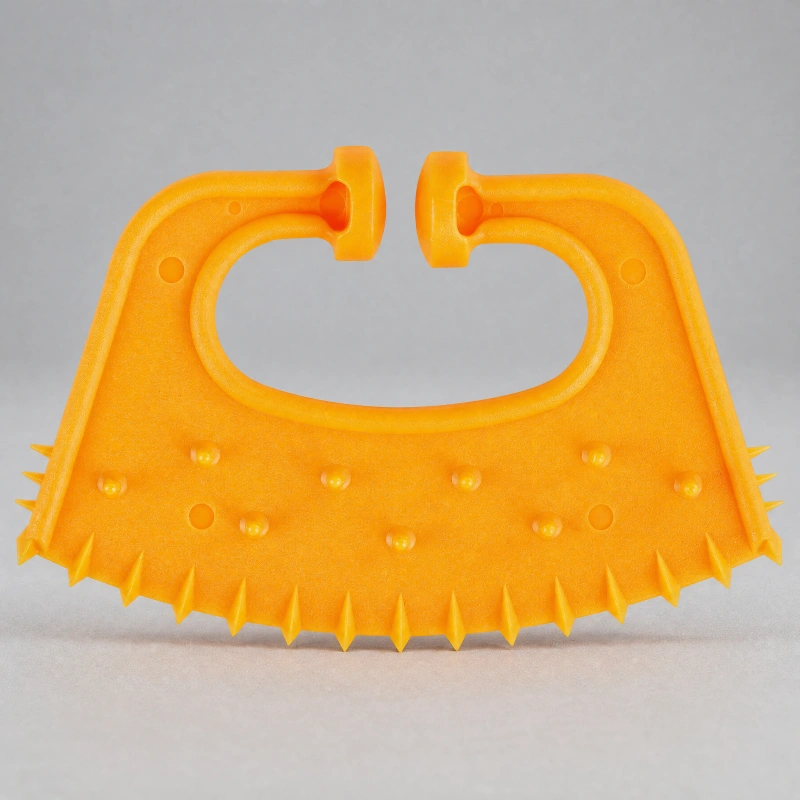
A cattle weaner is a compact, impact-resistant plastic ring worn on the calf's nose during the weaning period. Its job is simple: it prevents the calf from nursing while still allowing grazing, drinking, and normal physical contact with the cow. The Terrui cattle weaner measures 117mm in total length, 76mm in width, and just 17mm in height, so it adds almost no weight or bulk to the calf's head.
The working principle is gentle but effective. The ring is fitted over the calf's nostrils with a simple hand motion, and the underside carries a series of small thorns. When the calf tries to nurse, those thorns press against the cow's udder, and the cow naturally moves away. The calf quickly learns that nursing no longer works, while eating grass and drinking water remain completely unaffected. That is the core difference between a weaner and harsh methods like sudden fence-line separation: the calf changes its behavior gradually instead of being cut off from its mother overnight.
The anti-separation design deserves a closer look. Even when the calf runs, shakes its head, or rubs against fences, the ring stays in place because of the way it locks around the nose. You do not need straps, buckles, or daily re-adjustment. And because it is made from high-quality plastic that is eco-friendly, healthy, and durable, it survives repeated use — the manufacturer positions it for calves up to 18 months of age.
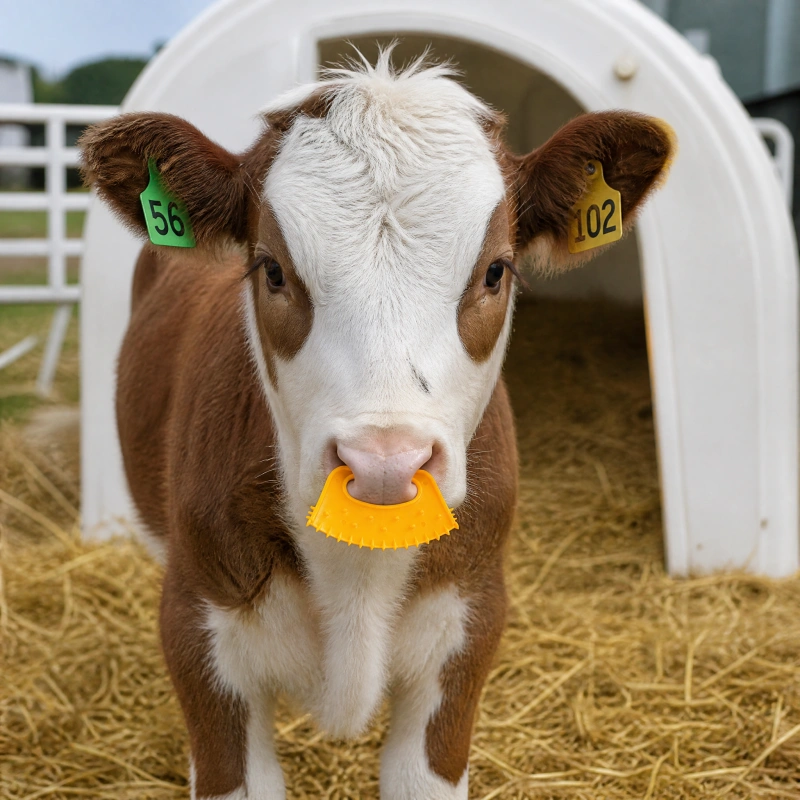
A weaner is not a replacement for good pen management. It works best inside a controlled environment such as a calf hutch, where the calf can be monitored, fed, and housed safely during the transition. Used together, the ring changes nursing behavior and the hutch controls the environment, which is exactly the combination recommended for low-stress weaning on commercial farms.
Why Use a Cattle Weaner?
Why add a device when you could simply separate calf and cow? Because sudden weaning is stressful, and stress costs you kilograms. A cattle weaner addresses the root cause of weaning stress — the calf's urge to nurse — while the rest of the program handles the separation. Here are the concrete reasons producers keep them in the toolbox.
1. Protect daily weight gain. Weaning stress often causes a slump in intake and a visible pause in growth. By letting the calf keep grazing and drinking while nursing is gently blocked, a weaner helps the calf hold its feeding routine through the transition. When feed and water stay available, calves keep building toward the steady gains that pay the bills — and that is the point of the 0.5 kg daily gain target many beef and dairy operations aim for during weaning.
2. Lower stress for both animals. Crying, pacing, fence pacing, and reduced feed intake are classic signs of distressed calves. The two-step approach — wear the weaner first, separate later — spreads the change over a week instead of a single stressful day. Calves stay calmer, and cows that would otherwise bellow for days settle much faster too. Calmer animals also handle feed and water better during the transition.
3. Cut labor and cost per calf. Fitting takes seconds by hand, no tools, no restraint chute required. The ring stays on by itself thanks to the anti-separation design, and one unit is reusable across calves and across years. Compare that with fencing, extra pens, or repeated chasing, and the weaner pays for itself quickly on a small herd.
4. Safe by design. The small, lightweight ring does not burden the calf's nose or interfere with eating. The small thorns discourage nursing without harming either animal — the cow simply moves away, and the calf redirects to grass. Impact-resistant plastic also survives head-butting and rough play between calves.
5. One purchase, many calves. Because the ring is washable and reusable, the per-calf cost drops sharply as herd size grows. A single unit can serve a dozen calves in one season, and with calves up to 18 months covered by the design, the same stock supports heifer programs, beef backgrounding, and dairy replacements alike. For farms running a continuous calving calendar, keeping two or three weaners on hand means the program never waits for equipment.
6. Fits any weaning plan. Whether you wean by age, by weight, or by season, the ring adapts. It works in pasture systems where cow and calf stay together, and it works in barn systems where you control the environment with hutches and pens. Producers also pair it with proper feeding routines — fresh water, quality creep feed, and comfortable housing — so the behavioral change happens in a calf that is well fed rather than hungry and stressed.
How to Wean Calves in 3 Steps
A cattle weaner fits into a simple three-step program that any crew can follow. It follows the two-step weaning method recommended for the Terrui weaner, with the practical details we hear about from farms using it.
Step 1: Fit the Weaner at the Right Time
Pick a morning when the calf is healthy, eating well, and not dealing with heat or a recent truck ride. Calves up to 18 months can wear the ring, but starting earlier in the transition makes the whole thing easier. Before you fit it, clean and dry the nose so the ring seats properly, and have fresh water and creep feed waiting nearby — the calf should walk away from your hands straight to feed, not to a fight. Slide the ring over the nostrils with one hand and make sure the thorns face down, toward the udder side. It should sit snug but never press on the eyes or block breathing. If the calf rubs at it for a few minutes, that is normal; the anti-separation lock holds it in place while the calf figures things out. Work calmly — a relaxed handler produces a relaxed calf, and that first session sets the tone for the whole program.
Step 2: Run the 4-7 Day Adjustment Period
Leave the weaner on for 4 to 7 days while calf and cow stay together. During this window the calf learns that nursing no longer works and starts eating more grass and drinking more water. Watch water intake closely — a calf drinking well is adapting well. This is also the right time to keep the calf in a calf pen or hutch where you can check feed intake daily and catch any sign of illness early. Keep a simple daily routine: check the ring position in the morning, confirm the nose shows no rubbing or swelling, and top up clean water twice a day. Calves that stay on schedule will show normal appetite and normal manure within two or three days — both reliable signs the transition is on track. Resist the temptation to remove the ring early if the calf appears settled; the extra days are what make the later separation calm.
Step 3: Separate, Remove, and Reuse
After the adjustment period, separate the calf from its mother and remove the ring. Because the calf has already stopped nursing for several days, the separation itself causes far less distress. Do the separation at the same time of day you usually handle the calves, and keep the routine calm: move the cow out of sight and sound if possible, then settle the calf into its own pen with fresh bedding. Clean the weaner with warm water and store it for the next calf — the plastic material is washable and reusable, so it stays in service season after season. Offer fresh water and quality feed in the new pen, and monitor the calf for another week to confirm intake and gain stay on track. If the calf calls for a day or two, that is normal; steady eating and drinking are the signals that really matter. Track weaning weights on paper or in a simple sheet — comparing pre- and post-weaning weights over several rounds shows exactly what the program returns on your herd.
FAQ
1. How does a cattle weaner work?
It fits over the calf's nostrils and carries small thorns on the underside. When the calf tries to nurse, the thorns press the cow's udder, so the cow moves away. The calf learns to stop nursing while grazing and drinking stay unaffected.
2. At what age can a calf wear it?
The Terrui cattle weaner suits calves up to 18 months of age. For best results, fit it when the calf is healthy and already eating solid feed, so the transition reinforces grazing rather than milk dependence.
3. How long should the weaner stay on?
Typically 4 to 7 days. After that period the calf has usually stopped attempting to nurse, and you can separate it from the cow and remove the ring with minimal stress on both animals. A longer window can be used for stronger, more persistent calves, but most herds see results within the standard week.
4. Is the cattle weaner reusable?
Yes. It is made from high-quality, impact-resistant plastic that is washable and reusable. Clean it with warm water between calves and it can serve many calves over several seasons, which keeps the cost per head very low.
5. Will the ring fall off when the calf runs?
No. The anti-separation design locks the ring around the nose, so it stays in place even when the calf runs, shakes its head, or rubs against fences. No straps or daily re-adjustment are needed.
6. Does it work with a hutch or pen system?
Yes, it is ideal inside a calf hutch. The ring changes nursing behavior while the hutch provides a controlled, monitored environment — a combination recommended for low-stress weaning on commercial operations.
Conclusion
Weaning does not have to be a stressful, weight-losing event. A cattle weaner gives you a proven, low-cost way to make the change gradual: fit the ring, run a 4-7 day adjustment period, then separate calmly. Calves keep grazing and drinking, stress drops, and daily gain stays on target — exactly what the 0.5 kg goal represents in practice. Add a calf hutch or pen for control and you have a complete weaning system that any crew can run.
For the economics, the math is straightforward. One reusable ring costs a fraction of the value it protects: steady intake through the weaning window, fewer sick calves, less labor on the separation day, and a smoother start to the next feeding stage. Herds that wean by age or weight can run the same ring across multiple rounds in a single season, which makes the tool attractive for both small family operations and larger commercial units. When you compare the cost of a stressed weaning slump — slower gains, extra veterinary calls, more days to target weight — against the small investment in a weaner, the decision writes itself.
Ready to improve your next weaning round? Contact Terrui today for a factory-direct quote on the cattle weaner, request the full dairy farm tools catalog, or ask about combining weaners with calf hutches, calf pens, and calf feeding buckets in one order.


 English
  中文
中文  日本語
日本語  français
  Deutsch
  Español
  русский
  português
  العربية