Summary
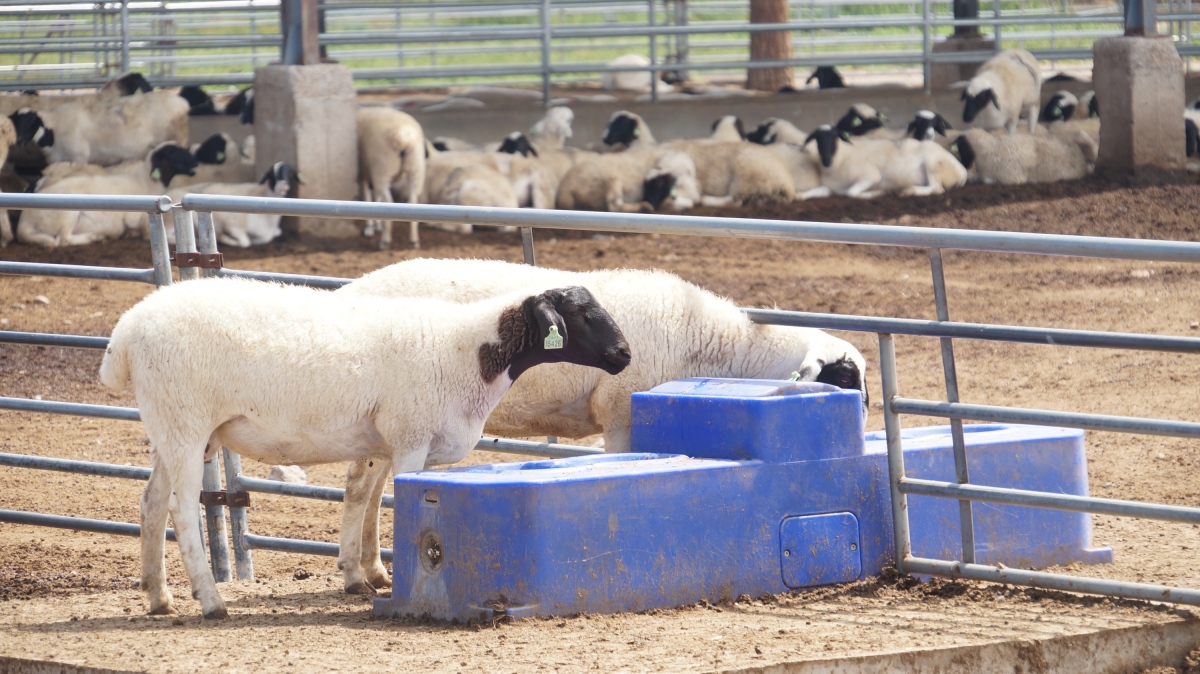
The water trough is the primary engine of flock hydration kinetics. In the high-stakes environment of commercial small ruminant production, "hydration" isn't a passive state—it's an engineered outcome that must survive the intense allelomimetic pulses of a synchronized herd. When a flock moves to drink in unison, legacy water cups or concrete pans fail, triggering an "Empty Tank Crisis" that sparks dominance aggression and leaves subordinate ewes dehydrated. Terrui’s 1.7m (5.1ft) water trough is a specialized terminal designed to manage these high-density drinking surges. By pairing a 1.7-meter linear clearance with a high-flow replenishment axis, this terminal prevents "Dominance Exclusion." This report analyzes the structural biosecurity of One-shot Roto-molded polyethylene and the impact of solid polyurethane insulation on preventing thermal shocks, proving that a precision water trough layout directly protects a ranch from the production losses caused by social herd stress and winter-induced metabolic crashes.
What: The Engineering Anatomy of the 1.7m Roto-Molded Axis
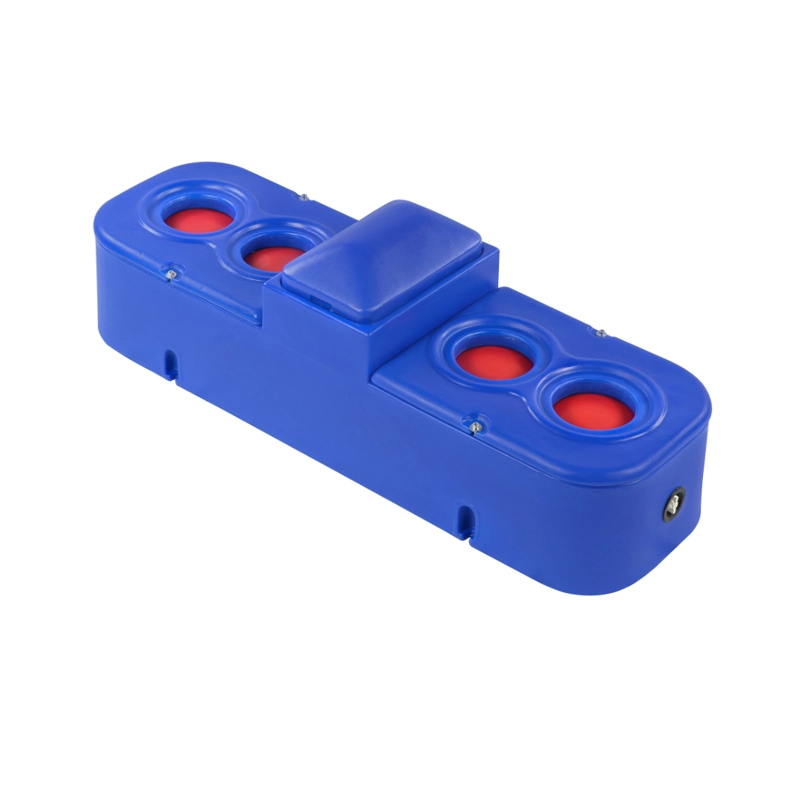
Defining a professional water trough requires looking past the "commodity hardware" mindset found in agricultural supply stores. This is a 1.7-meter hydration axis engineered for the specific anatomical extension of caprines. The primary chassis is manufactured via a One-shot Roto-molded process. Unlike injection-molded basins that crack under freezing pressure or sheet-metal units that rust at the seams, the Roto-molding sequence involves a dual-axis thermal rotation. This allows polymer chains to solidify into a seamless, homogeneous molecular grid. There are zero structural weld seams or residual internal stresses. This is a monolithic block of high-grade, UV-stabilized polyethylene (LLDPE) that survives perpetual animal crowding and territorial ram impacts without brittle failure.
The internal architecture of the water trough features a double-walled hollow core, pressure-injected with high-density solid polyurethane (PU) foam. This PU-core delivers an exceptionally low thermal conductivity coefficient (K-value), functioning as an unpowered thermodynamic shield. It traps the latent heat of incoming well water, keeping the water trough ice-free in a blizzard and cool in a summer heatwave. Hydraulically, the station integrates a high-flow float valve linked via a 1" braided hose. This configuration exponentially increases fluid throughput compared to standard 0.5" fittings, allowing for a "dynamic refill equilibrium." This ensures the water trough stays full even when 10 sheep are pulling volume simultaneously.
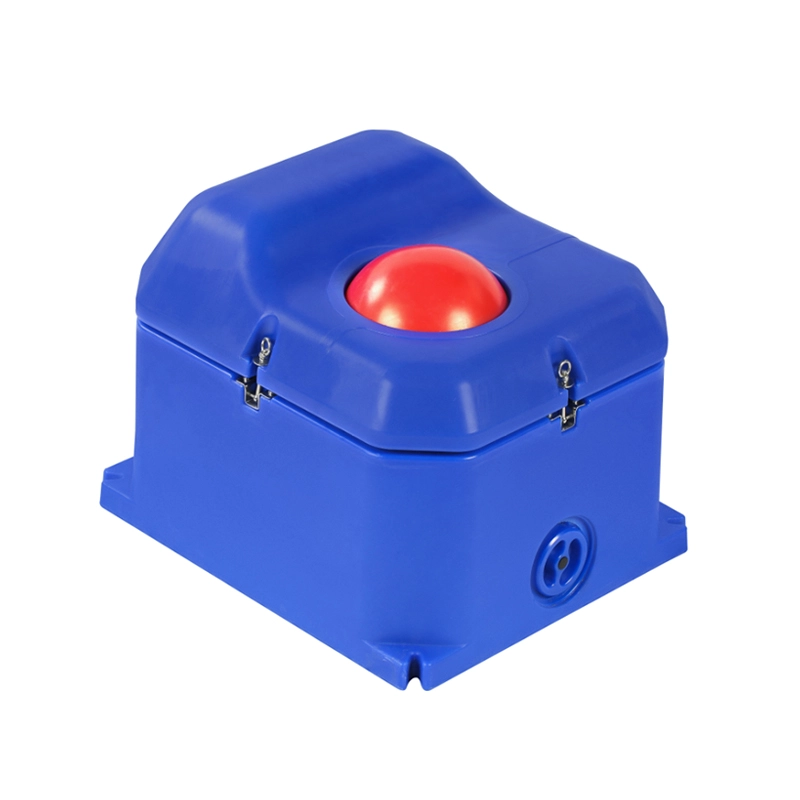
Structural stability is achieved through factory-molded offset feet. Terrui has intentionally moved the anchoring flanges outward, away from the tank walls. This provides clear vertical access for pneumatic impact wrenches during installation, ensuring a rigid mechanical lock into the concrete pad without the risk of tool-to-poly collisions. The upper rim of the water trough is designed with a perfectly smooth rounded edge. This eliminates the "laceration zones" common in corroded metal troughs, protecting the sensitive udder skin of lactating ewes and preventing the "wool-pulling" associated with sharp edges. The central valve bay is protected by a screwless hood—no rusted bolts, no seized fasteners, just instant manual access for maintenance during a -20°C freeze.
Why: Analyzing the Failure Modes of Legacy Hydration Units
Why should an operation retire its old metal pans in favor of a water trough with this specific 1.7m spec? The answer lies in the physiological and social consequences of "Hydration Latency" and "Thermal Shock."
1. Dominance Exclusion and the Allelomimetic Pulse: Sheep are biologically hard-wired for synchronized behavior. When the "Allelomimetic Pulse" hits—usually after feeding—the entire flock moves to the water trough at once. In a facility using small point-source waterers, a few dominant ewes will physically block the axis. This "Dominance Exclusion" forces subordinate ewes and newly weaned lambs to walk away thirsty. This leads to a production drain; dehydration directly hampers milk yields and lamb growth velocities. Terrui’s 1.7-meter linear span ensures that 5 to 7 animals can hydrate concurrently, making it physically impossible for one or two "bully" sheep to guard the entire water trough.
2. Ruminal Thermal Gradients and Abortion Risks: Ingesting ice-cold water during a winter vortex is a metabolic disaster for a pregnant ewe. The sudden influx of cold water into the rumen causes a Ruminal Thermal Shock, killing off beneficial fermentation bacteria and forcing the animal to burn energy for heat instead of lamb growth. This sudden thermal stress is a documented trigger for spontaneous abortions. Conversely, stagnant water in a metal water trough during summer becomes a "heat island," reaching temperatures that accelerate algae growth and bacterial bloom. Terrui's PU foam core keeps water within the safe 10°C–15°C threshold year-round with zero electricity costs, establishing a biological safeguard for livestock health.
3. Corrosion-Induced Trauma and Mastitis Pathogens: Concrete and metal basins are inherently porous or prone to jagged oxidation. Over time, concrete develops micro-cracks that harbor pathogenic biofilms. Metal troughs develop sharp "pitting corrosion" edges. When a flock crowds the water trough, animals are pushed against these sharp edges, causing udder bruising and skin lacerations. For a milking sheep operation, a bruised udder is an invitation for clinical mastitis. The Terrui water trough uses an inert, rounded polyethylene frame to eliminate these trauma vectors entirely. You are paying for a "zero-hazard" interaction zone that protects the milk-producing assets of your flock.
4. The Refill Latency Crisis and Anxiety Loops: Most agricultural float valves are sized for small domestic tanks, not a flock of 50 sheep drinking 4 liters each in a single sitting. When the herd hits the water trough, the volume drops faster than a standard valve can refill it. This creates "Refill Latency," where the animals are staring at a dry tank floor. This triggers anxiety and more social friction. By coupling a 1" braided hose with a high-flow module, the Terrui water trough maintains a dynamic refill equilibrium. The water surges back in at the slightest drop, ensuring the last sheep in the line gets the same fresh, oxygenated water as the first.
How: Tactical Field Installation and Thermal Calibration
To maximize the ROI of the Terrui 1.7m water trough, field contractors must move away from "slapdash" placement and follow a specific engineering sequence.
Step 1: Herd Spatial Calculation and Pad Construction: A single 1.7-meter water trough is rated for 40 to 50 head. In large-scale operations, you must space these stations to prevent bottlenecks in the alleys. Construct a reinforced concrete pad elevated 15-20cm above the floor. This prevents manure accumulation around the base of the water trough. Finish the slab with a 1.5% outward slope to ensure splashes drain away, maintaining a dry, non-slip footing zone for the flock.
Step 2: Dual Anchor Locking via Offset Feet: Once the pad is cured, center the water trough. This is where the offset feet provide their primary advantage. Because the anchoring flanges extend past the tank walls, you can use a pneumatic hammer drill to drive 12mm expansion bolts straight down. There is no need for angled drilling or extensions. This "Rigid Mechanical Lock" ensures the water trough can withstand the "crowding surge"—the collective force of 50 sheep pushing against the tank simultaneously.
Step 3: Hydraulic Integration & Float Tuning: The water line should protrude from an insulated sleeve in the concrete core to prevent frost from entering the system. Connect the 1” braided hose to the main line. This hose acts as a “vibration dampener”, absorbing the hydraulic shockwaves from the high flow valve closing. Open the valve bay by lifting the screwless hood. Calibrate the float toggle to set the static water line exactly 5cm below the rim of the water trough. This depth is the "spill-buffer," high enough to drink easily, but low enough to avoid excessive splashing. Step 4: Supplemental Thermal Configuration for Arctic Belts: In standard climates, the PU foam core in the water trough is all you need. However, for "Arctic Phase" winters (below -20°C), you can integrate Terrui's adaptable heating system. The lower hull features pre-molded channels for electrical heating elements, isolated from animal contact. Because the water trough uses the screwless hood design, winter inspection crews can check the valve performance without fumbling with frozen, rusted bolts in the dark.
FAQ: Technical Engineering for Ovine Hydration Grids
1. Does the 1.7m sheep water trough require an electric grid connection for winter?
No. Under standard winter conditions, the water trough utilizes passive thermodynamic shielding. The double-walled frame and high-density PU foam core trap the latent heat of the incoming well water. As long as the flock is actively drinking and moving water through the system, the water trough remains ice-free without drawing a single watt of electricity.
2. How does the "One-shot Roto-molded" process affect the lifespan of the trough?
Standard troughs are often made of multiple parts bolted or glued together, creating stress points. The Terrui water trough is a single, monolithic piece. This means there are no seams to crack, no joints to leak, and no internal stresses that lead to "brittle failure" in the sun. This Roto-molding process ensures a 10+ year service life in the harshest UV-intensive environments.
3. Why is the "Rounded Edge" design more than just a safety feature?
It's a bio-security feature. In concrete troughs, sharp, jagged edges are also porous, meaning they soak up manure and bacteria. The rounded, smooth edge of the Terrui water trough is non-porous and easy to wipe clean. It prevents the skin abrasions that act as gateways for mastitis-causing pathogens like Staphylococcus aureus, protecting the health of your milking herd.
4. Can this 1.7m station handle goats, or is it strictly for sheep?
It is ideal for both. Goats are notoriously territorial and aggressive at the water source. The 1.7-meter linear clearance of the water trough prevents a single "boss" goat from monopolizing the tank. The high-rebound elasticity of the polyethylene housing also means the water trough can take a direct head-butt from a large buck without cracking.
5. What is the benefit of the "Screwless Hood" design during a blizzard?
Maintenance debt is usually paid in the winter. If a float valve sticks during a freeze, you don't want to be unscrewing six frozen, rusted bolts. Terrui’s water trough features a "Snap-Lift" cover that uses structural tension to stay closed. This allows you to service the valve bay with bare hands in seconds, reducing maintenance labor and animal downtime.
6. How does the 1" braided hose compare to standard PVC connections?
Standard PVC becomes brittle and cracks under the constant "Water Hammer" of a high-flow valve. The 1" braided hose inside the Terrui water trough is flexible and pressure-rated. It absorbs the hydraulic shockwaves and allows for a higher volume of water to reach the valve, ensuring the tank refills fast enough for a thirsty flock.
Conclusion: The ROI of Precision Ovine Hydration
Converting the allelomimetic synchronization of a sheep flock into quantifiable milk and meat production requires more than just "providing water"; it requires managing hydration kinetics. The Terrui 1.7m-5.1ft. water trough is a technical solution to the social and physiological stressors of intensive livestock farming. By combining Roto-molded structural integrity with high-density PU insulation and a high-flow replenishment axis, this terminal effectively eliminates dominance-based dehydration and winter thermal shocks. Stop guessing with your watering infrastructure. Start engineering your flock's health.


 English
  中文
中文  日本語
日本語  français
  Deutsch
  Español
  русский
  português
  العربية