Summary
In the architectural design of modern dairy facilities, the selection of a circulation fan is dictated by the spatial relationship between structural pillars and the aerodynamic requirements of the stall rows. The 72-inch (1800mm) model has emerged as the engineering 'sweet spot' due to its ability to bridge the gap between large-scale air displacement and localized installation constraints. Equipped with the 254-series PMSM motor (2.0kW/2.7HP), this unit delivers 120,000 m³/h of air volume with a wind speed that remains at 5.1 m/s at a 12-meter distance. This technical evaluation examines how the 72-inch circulation fan’s performance profile—including its 480 R/min rotation speed and low 3.5A current draw—aligns with standard barn dimensions. By analyzing the wind speed decay and the structural advantages of the double-layer PE frame, we explore why this specific size is often the most efficient choice for achieving a uniform micro-climate across 25-30 meter barn spans.
What: Technical Anatomy of the 1800mm Circulation Fan
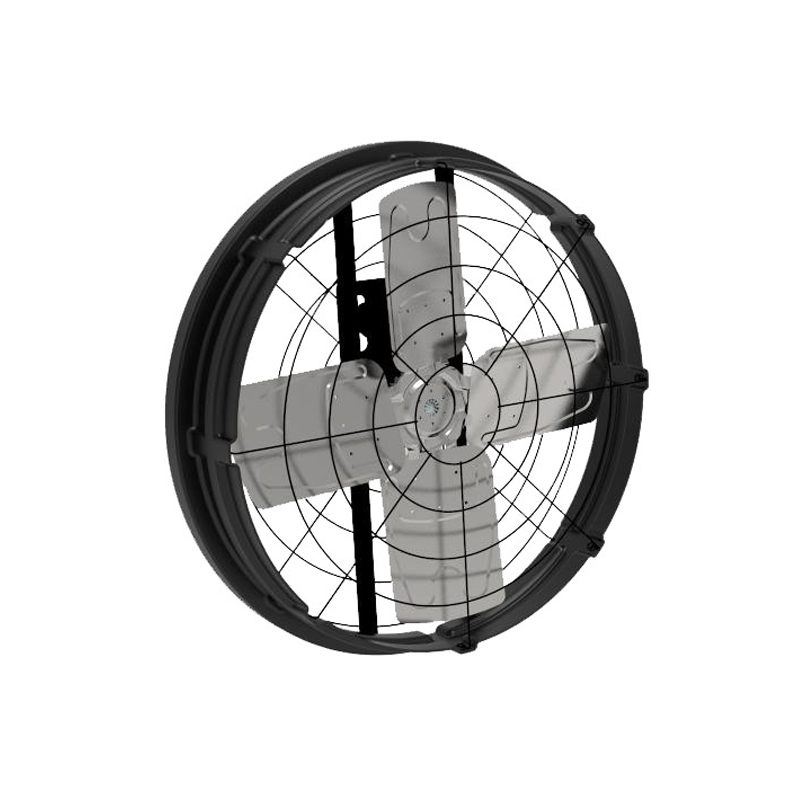
The 72-inch circulation fan is an axial airflow device engineered for high-torque performance and sustained velocity. The technical core is the 254-model outer rotor permanent magnet brushless motor (EC/PMSM). This 2.0kW unit is designed to operate within a wide voltage range of 380V to 460V, drawing a rated current of 3.5A at 380V and 3.2A at 460V. The 1800mm blade assembly is tuned to a precision rotation speed of 480 R/min, which is the optimal frequency for generating the 120,000 m³/h air volume while maintaining the structural stability required for continuous 24/7 operation in high-demand dairy environments.
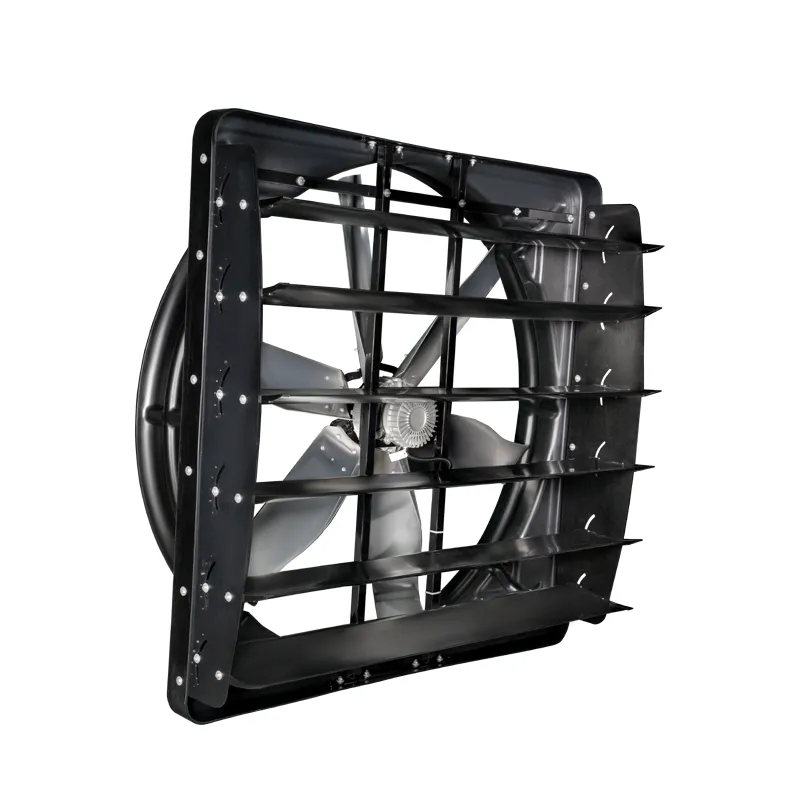
The housing consists of a high-strength, double-layer Polyethylene (PE) frame, providing an anti-corrosive and vibration-dampening enclosure that is essential in the high-ammonia environments typical of cattle barns. The blades, made from Aluminum, are precision-balanced to ensure a laminar airflow column that resists air turbulence. For control, the circulation fan features a 0-10V signal interface, facilitating seamless integration with the APP control system for stepless speed modulation. With an IP55 protection rating, the internal motor electronics are shielded from moisture and fine organic dust, ensuring the system's longevity in harsh ranching conditions. This size specifically addresses the need for a fan that provides significant reach (5.1 m/s @ 12m) without the massive installation footprint required by larger 114-inch units.
Why: The 'Sweet Spot' for Standard Barn Layouts
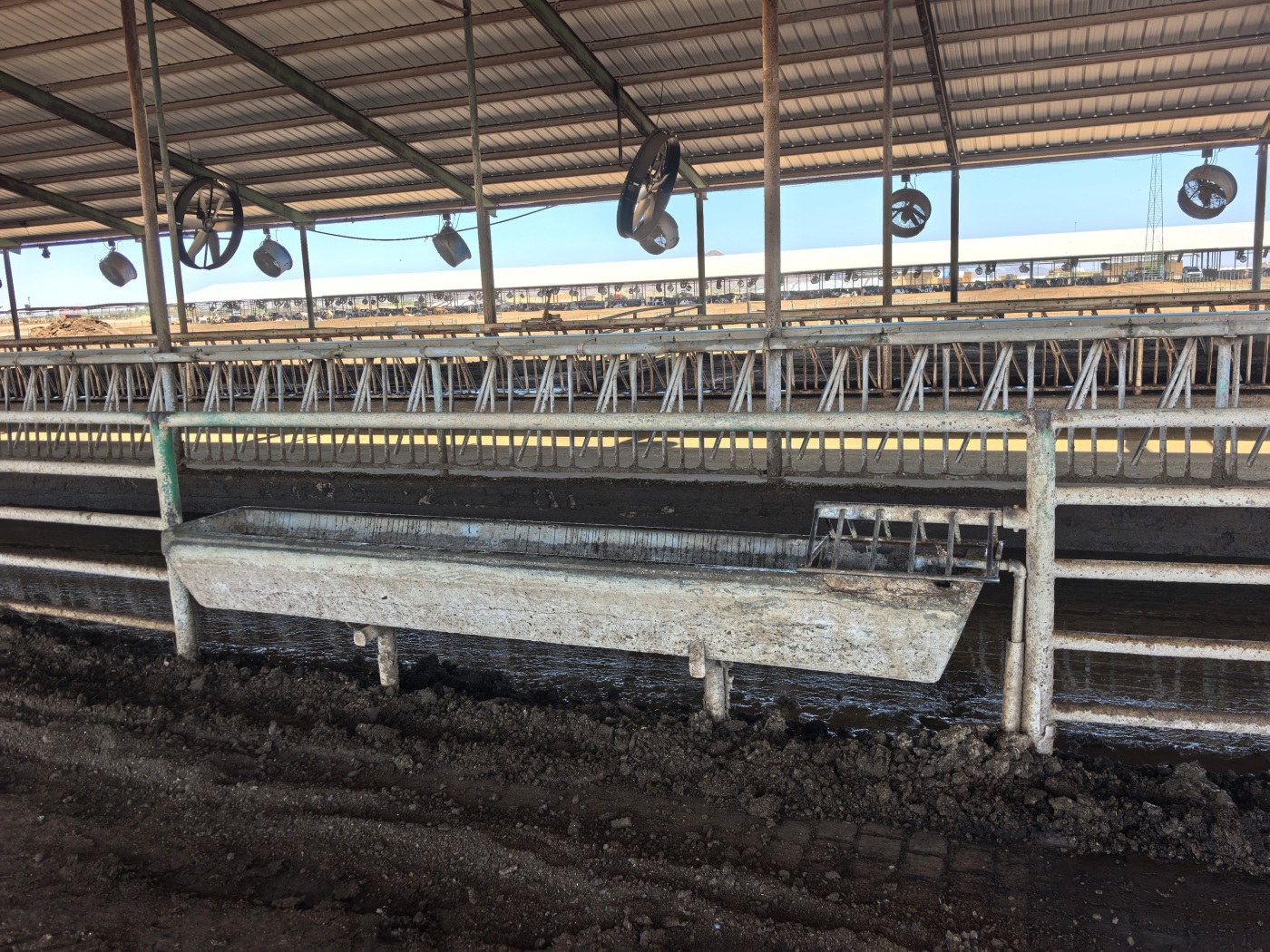
The engineering rationale for selecting a 72-inch circulation fan is based on the alignment with typical barn architectural dimensions. In most modern dairy facilities, structural pillars are spaced 6 to 8 meters apart, and cow stall rows often span a total distance of 20 to 30 meters. A 72-inch unit fits comfortably within these structural confines, avoiding interference with gates, automated alley scrapers, or overhead feeding equipment. While smaller 38-inch or 45-inch fans require high-density installations to cover a stall row, the 72-inch 254-motor series provides an effective reach of 12 meters with a sustained velocity of 5.1 m/s. This allows for a staggered layout where fewer units can maintain a consistent air curtain across the entire bedding area.
Furthermore, the electrical efficiency of the 2.0kW motor makes it a sustainable choice for large-scale operations. Drawing only 3.5A, the 72-inch circulation fan allows for more units per electrical circuit compared to larger, higher-amperage models. This reduces the total infrastructure cost for wiring and distribution panels during new construction or retrofitting. By maintaining a high wind speed (5.1 m/s) at the 12-meter mark, this fan effectively breaks the cow's thermal boundary layer over a wide area, reducing heat stress and preventing "bunching" behavior—a common sign of thermal discomfort in under-ventilated barns. For an engineering-focused ranch, the 72-inch size offers the most balanced ROI, providing massive air volume (120,000 m³/h) without excessive power consumption or spatial intrusion.
How: Implementing a High-Efficiency Fan Array with the 254 Motor
Implementing a high-performance climate strategy with the 72-inch circulation fan series involves precise mounting and digital management:
Optimized Spacing and Pitch: To leverage the 5.1 m/s wind speed reach, 72-inch units should be mounted at a height of 3.5 to 4.5 meters with a downward tilt of 15° to 25°. Fans should be spaced approximately 10 to 12 meters apart in a linear or staggered array. This ensures that the air velocity from one unit overlaps with the next, maintaining a constant breeze of 5.0+ m/s across the cows' standing and lying areas.
Smart Modulation via APP Control: The integrated 0-10V signal interface allows for grouping fans via the Terrui APP. Ranchers can program speed profiles based on the Temperature Humidity Index (THI). For example, as the THI rises, the circulation fan speed can automatically increase toward the 480 R/min maximum, ensuring peak metabolic cooling during the hottest hours while saving energy during cooler night periods.
Electrical Integration and 24/7 Stability: The low 3.5A (at 380V) current draw ensures that the fans can run continuously without overloading the barn's electrical infrastructure. The PMSM motor maintains high efficiency even at partial loads, allowing for quiet and stable operation that respects the cows' resting cycles while actively purifying the air of ammonia and moisture.
By adhering to the data from the 254-motor technical specification, ranch managers can calculate their total ventilation capacity with precision, ensuring that each circulation fan contributes to a predictable and stable micro-climate.
FAQ: Technical Considerations for 1800mm Fan Systems
1. Why is the 72-inch fan considered better for stall rows than a 114-inch model?
It is primarily about structural integration and spatial efficiency. A 72-inch circulation fan (1800mm) fits within the height and width constraints of most stall rows without interfering with gates or automated equipment, whereas the 114-inch model is better suited for larger, open holding areas where ceiling height is less restricted.
2. How does the 254 motor handle high-ammonia environments?
The motor is IP55 rated and features an outer rotor permanent magnet design with sealed electronics. Combined with the double-layer PE frame, the circulation fan is completely shielded from the corrosive effects of ammonia vapors and high humidity levels.
3. Can the APP control system manage multiple 72-inch fans simultaneously?
Yes, the Terrui APP control system allows for grouping multiple units via the 0-10V signal interface, providing unified speed modulation for the entire barn or specific high-traffic zones.
4. What is the benefit of the low 3.5A current draw?
This allows for more fans to be installed on a single circuit breaker, reducing the cost of electrical panels and heavy-gauge wiring during the initial barn construction phase.
5. Is the wind speed of 5.1 m/s at 12 meters sufficient for cooling dairy cows?
Yes, a sustained wind speed above 4.0 m/s is considered the industry standard for effectively breaking the cow's thermal boundary layer and mitigating severe heat stress.
Conclusion
The 72-inch circulation fan, powered by the efficient 254-series PMSM motor, represents the technical standard for modern barn climate engineering. By delivering 120,000 m³/h at a precision 480 R/min and maintaining 5.1 m/s at a 12-meter distance, this unit provides the ideal balance of reach, power, and spatial adaptability. The use of high-strength PE construction and intelligent APP-based modulation ensures that the ventilation strategy is both durable and energy-efficient. For ranches aiming to optimize their stall micro-climate while respecting structural and electrical constraints, the 72-inch model remains the undisputed engineering "sweet spot."


 English
  中文
中文  日本語
日本語  français
  Deutsch
  Español
  русский
  português
  العربية