Summary
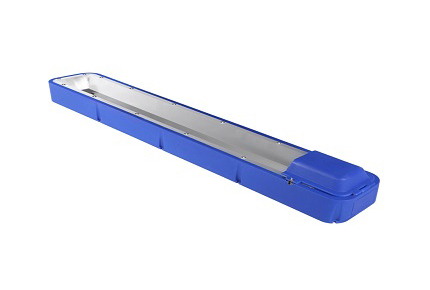
A professional horses water trough is a biological fail-safe, not just a bucket. In commercial equestrian complexes, winter cycles trigger a specific physiological crisis: Voluntary Hypohydration. Horses are acutely sensitive to fluid temperature; when ambient registers plunge, open-trough water hits the freezing point, causing the horse to stop drinking entirely. This leads to the 'Colic-Impaction Loop'—dry digesta in the large colon turns into a lethal blockage. Terrui's single-hole horses water trough is an engineering intervention designed to disrupt this pathology. By leveraging a high-density polyurethane (PU) thermal core and a One-shot Roto-molded polyethylene chassis, this terminal maintains an anatomical 'Sweet Spot' for water temperature without drawing grid power. This audit analyzes how automated fluid replenishment and insulated aperture design eliminate ruminal thermal shocks, shielding performance stallions and breeding mares from metabolic crashes during Arctic-phase weather events.
What: The Molecular Topography of the Roto-Molded Terminal
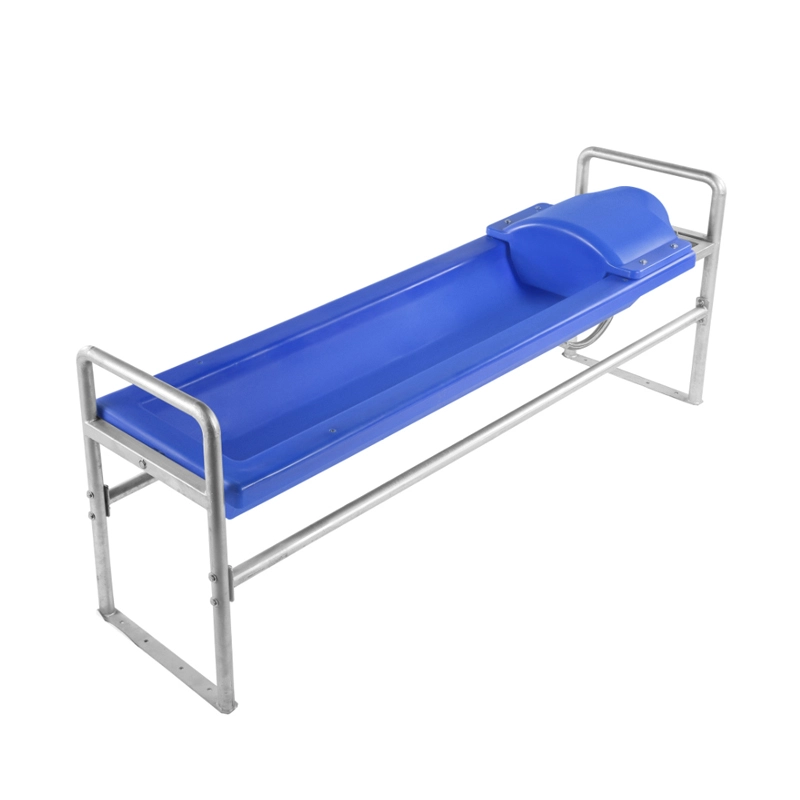
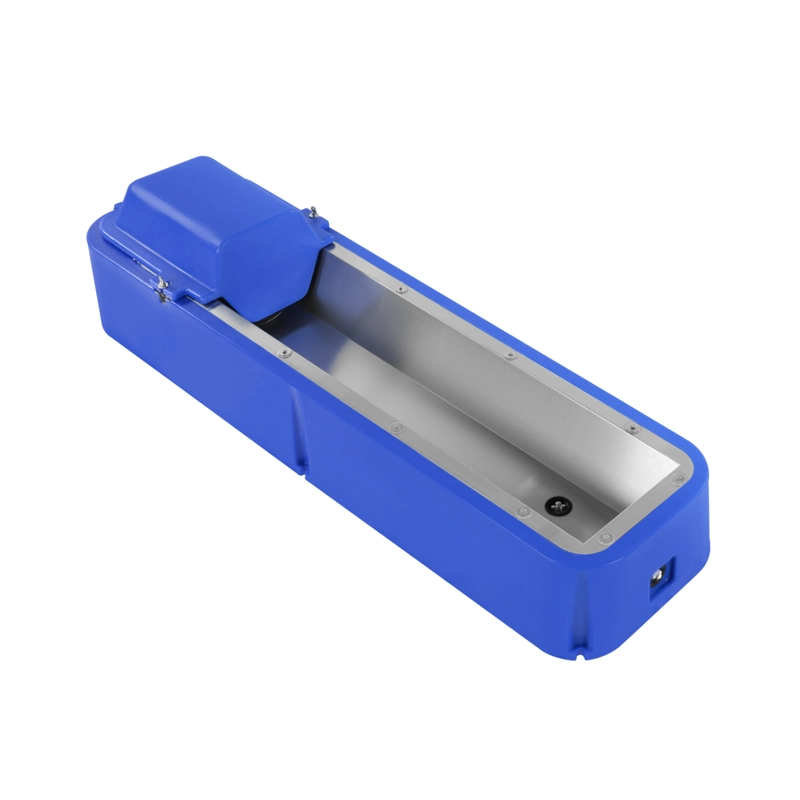
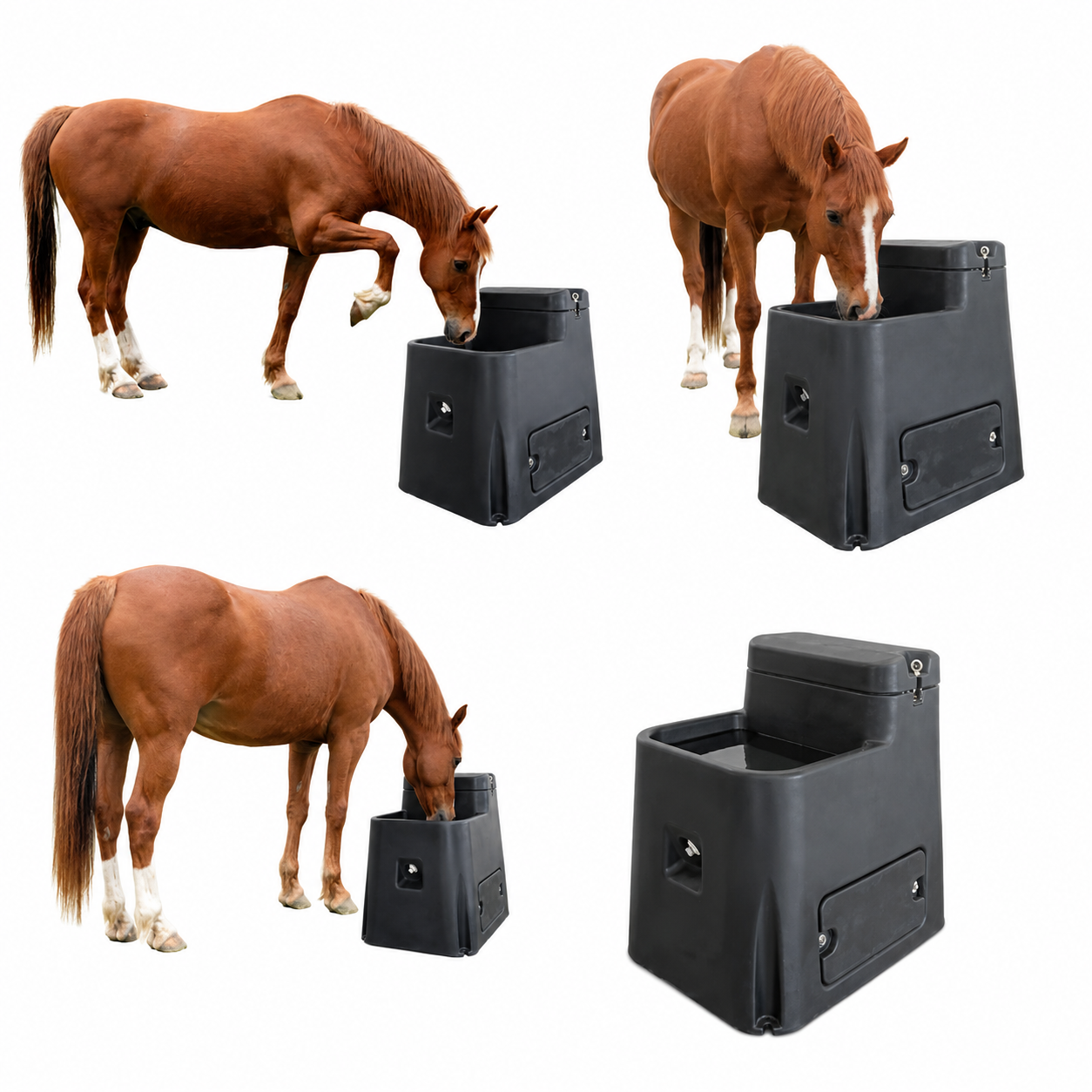
Defining a professional horses water trough requires looking past the 'commodity hardware' mindset. This is a monolithic hydration axis. The primary envelope is manufactured via a One-shot Roto-molding process. Unlike injection-molded pans that crack under the high-energy kinetic impact of a horse’s hoof, Roto-molding involves a dual-axis thermal rotation that allows polymer chains to solidify into a seamless, homogeneous crystalline layer. There are zero structural weld seams. There are zero internal stress zones. This is a block of UV-stabilized, food-grade polyethylene that survives perpetual territorial impacts without brittle failure.
The thermodynamic architecture of the horses water trough utilizes a double-walled hollow core, pressure-injected with solid polyurethane (PU) foam. This PU core acts as an unpowered heat-shield, trapping the latent heat of incoming well water. The "Single-Hole" geometry is a deliberate constraint; by limiting the fluid exposure to a single circular drinking aperture, the unit drastically reduces the surface area available for heat exchange with the sub-zero atmosphere. Hydraulically, the station integrates a high-flow float valve linked via a 1" braided hose, ensuring a 'Dynamic Refill Equilibrium' that prevents the bowl from running dry during peak thirst cycles.
Why: Analyzing the Biological Failure of Legacy Open Tanks
Why should a stable owner retire their galvanized steel pans in favor of a horses water trough with this specific 1.7m spec? It comes down to Biological Risk Management.
1. Voluntary Hypohydration and Impaction Colic: Horses have a sensory-based rejection of freezing water. When an open steel tank forms an ice layer, the water temperature drops toward 0°C. Ingesting this fluid causes a Ruminal Thermal Shock, which leads the horse to simply stop drinking. The resulting dehydration dries out the intestinal contents, leading to obstructive impaction colic. Terrui’s PU-insulated horses water trough keeps water in the 10°C–15°C range year-round, ensuring the horse maintains the fluid intake necessary for intestinal transit stability.
2. Territorial Dominance and Social Stress Equines have a strict social hierarchy. In an open-trough environment, a dominant alpha mare can stand broadside, literally grabbing the water axis and biting subordinate horses to dissuade them. This results in a dehydration crisis for the rest of the herd. The Terrui single-hole horses water trough enforces the 'one animal per terminal' rule. It removes the horizontal clearance required for territory defense, thereby neutralizing social herd stress.
3. Trauma Vectors and Corrosive Lacerations: Legacy metal tanks are 'trauma traps.' Over time, they develop jagged pitting corrosion and sharp edges. When a high-strung horse spooks, sudden contact with these sharp borders results in profound tendon lacerations or coronary band damage. The Terrui horses water trough utilizes a uniform rounded-edge design. The polyethylene profile is elastic enough to absorb impact energy rather than cutting into the tissue, protecting the performance-value of the animal.
4. Aerophagia and the 'Empty Bowl' Crisis: Standard water bowls often have a high refill latency. When a horse drinks rapidly, the bowl empties faster than the valve can replenish it. This forces the animal to anxiously suck in air from the bottom valve—a behavior called Aerophagia (cribbing at the waterer)—which triggers gastric bloat. By coupling a 1" braided hose with a high-flow valve, the Terrui horses water trough maintains volume, ensuring the animal never swallows air while waiting for a refill.
How: Tactical Field Deployment and Hydraulic Calibration
To maximize the ROI of the Terrui horses water trough, you must move away from 'slapdash' placement and follow a specific engineering sequence.
Step 1: Ergonomic Zoning and Concrete Pad Logic: Mount the hydration terminal clear of the primary bedding area to prevent cross-contamination from hay and manure. Construct a reinforced concrete pad (0.8m x 0.8m) rising 15cm above the floor grade. This elevation is critical—it prevents manure accumulation at the base and ensures the horse is in a natural drinking posture. The waterline tail must be emergence-wrapped in closed-cell elastomeric insulation to prevent frost penetration in the sub-grade core.
Step 2: Foundation Anchoring via Offset Feet: Horses are high-energy animals that will rub and lean against the trough. The physical foundation must be a Rigid Mechanical Lock. Terrui’s factory-molded offset feet allow for easy installation; because the anchor ports extend past the tank walls, you can use a pneumatic hammer drill to drive expansion bolts straight down. This avoids the tool-clearance friction common in older designs, ensuring the unit doesn't shift when a horse kicks it.
Step 3: Tool-Free Valve Tuning under the Screwless Hood: Link the main lines to the high-flow valve via the industrial 1" braided hose. Terrui has eliminated the 'Maintenance Debt' of frozen bolts. By using a screwless hood design, paddock hands can lift the hood with bare hands for instant valve cleaning. Calibrate the float toggle to set the static water line exactly 6cm below the rim. This depth acts as a 'spill-buffer, keeping the water high enough for easy access but deep enough to prevent splashing.
Step 4: Supplemental Heat for Arctic Vortex Belts: In standard winters, the PU foam core is all you need. However, for vortex events below -25°C, you should integrate Terrui’s adaptable heating system. The internal sealed raceways allow for the addition of safe, thermostatically regulated heating elements. Because of the screwless hood engineering, winter crews can pull the hood for rapid inspection in a blizzard without fumbling with frozen screws.
FAQ: Engineering Inquiries for Equine Hydration Units
1. Can a stallion easily fracture or crack the horses water trough chassis?
No. The housing is manufactured through an advanced One-shot Roto-molding process, yielding a monolithic unit with zero seams. Unlike metal tanks that rust or cheap plastic units that crack, the Terrui horses water trough is built to absorb high-energy kinetic impacts without structural failure.
2. How does the single-hole design actively prevent equine colic?
The core cause of winter colic is the horse’s refusal to drink freezing water. The horses water trough uses high-density PU insulation to keep water at a palatable 10°C. This prevents "Voluntary Hypohydration," ensuring the horse stays hydrated and the intestinal tract remains mobile.
3. What is the benefit of the "Rounded Edge" architecture?
It is a "Sanctuary Design." Sharp 90-degree edges on metal tanks are trauma vectors. Terrui’s rounded edges protect the animal from udder bruises and leg lacerations. If a horse spooks and hits the horses water trough, the polyethylene frame yields slightly, absorbing the force rather than cutting the skin.
4. Can I add electric heating to this horses water trough for extreme winters?
Yes. Terrui provides an adaptable heating system for extra choice. The terminal frame includes pre-molded raceways to hold heating trace elements, keeping the valve and bowl ice-free even in Arctic-phase weather events without creating an electrical hazard for the horse.
5. Why is the "No Screwing" hood design better for ranch hands?
Maintenance debt is usually paid in the dark during a storm. If a valve sticks, you don't want to be unscrewing six frozen, rusted bolts. Terrui’s horses water trough features a snap-lift hood that allows for manual access with bare hands in seconds.
6. Does the float valve system replenish fast enough for draft horses?
Yes. The 1" braided hose and high-flow valve ensure a "Volume Recovery" that matches even the fastest drinkers. This prevents the horse from sucking in air (aerophagia) when the bowl runs dry, which is a common cause of gastric bloat in equine populations.
Conclusion: The ROI of Equine Thermal Safety
Managing equine winter hydration kinetics is a strategic necessity for any commercial stable. The Terrui single-hole horses water trough—leveraging its One-shot Roto-molded armor and PU thermal core—delivers a mechanical solution to the lethal "Colic-Impaction Loop." By neutralizing territorial aggression and eliminating trauma vectors, this station protects high-value equine assets while cutting maintenance labor. Stop paying for "colic emergencies" and start engineering your facility for resilience.


 English
  中文
中文  日本語
日本語  français
  Deutsch
  Español
  русский
  português
  العربية