Summary
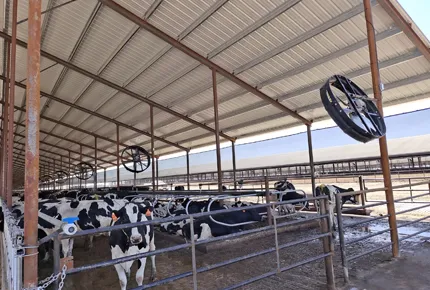
Most stables still water horses the old way: carry a bucket, empty it, refill it, break the ice in winter, scrub the tank in summer. A horse water drinker removes all of that. The unit refills itself as the horse drinks, so fresh water is always there at the same level. The Terrui single-hole model holds 16 liters, refills at 40 liters per minute, and carries a 300W heating plate, which means it works through a real winter. The body is LLDPE plastic, so no rust, no peeling, no constant maintenance. Horses that always have clean water drink more steadily, and steady drinking is what keeps digestion working and colic risk down. If you have ever chipped ice out of a tank on a January morning, you already know why owners make this switch — the wonder is that anyone still does it the old way. This guide covers how these drinkers help, what to check when buying one, and how to install and look after it in a stable or a field. It is written for stable owners, breeders, riding schools, and distributors — anyone who wants a watering system that does not demand attention every day but still performs through every season.
What Are Horse Water Drinkers?
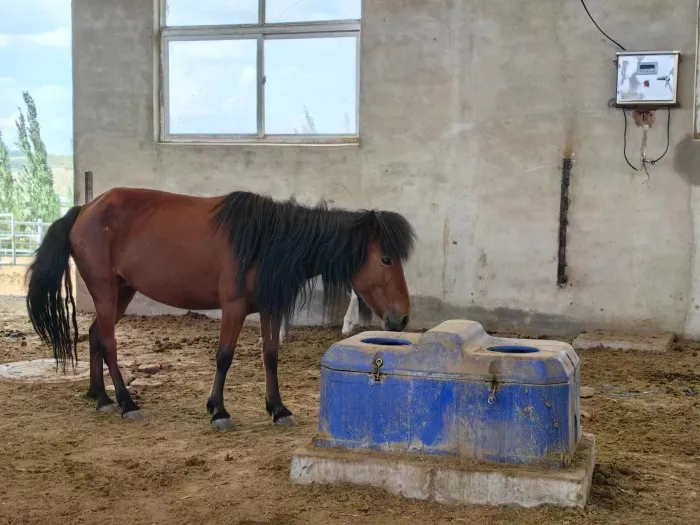
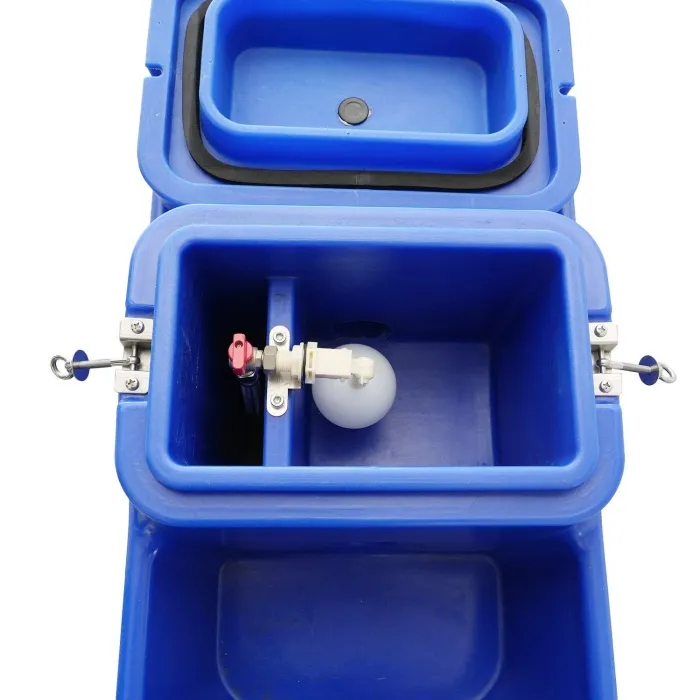
A horse water drinker is a watering unit that fills itself. The float valve inside holds the water at a set level: the horse drinks, the level drops, the valve opens, fresh water flows in, the valve closes. Nothing to switch on, nothing to monitor — the water is simply always there. It is the same mechanism as a toilet cistern, built heavy enough for a barn.
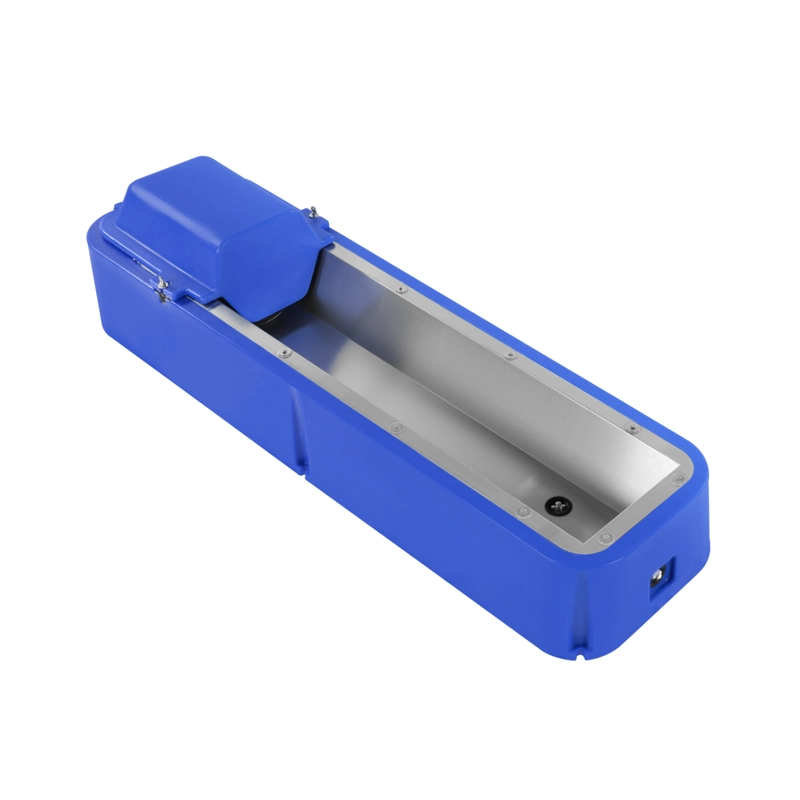
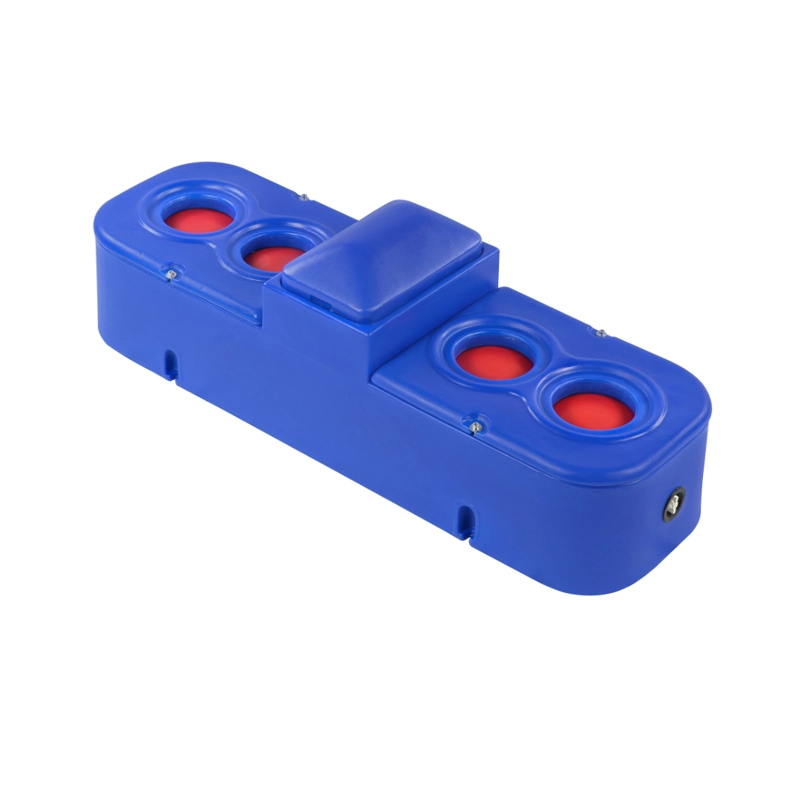
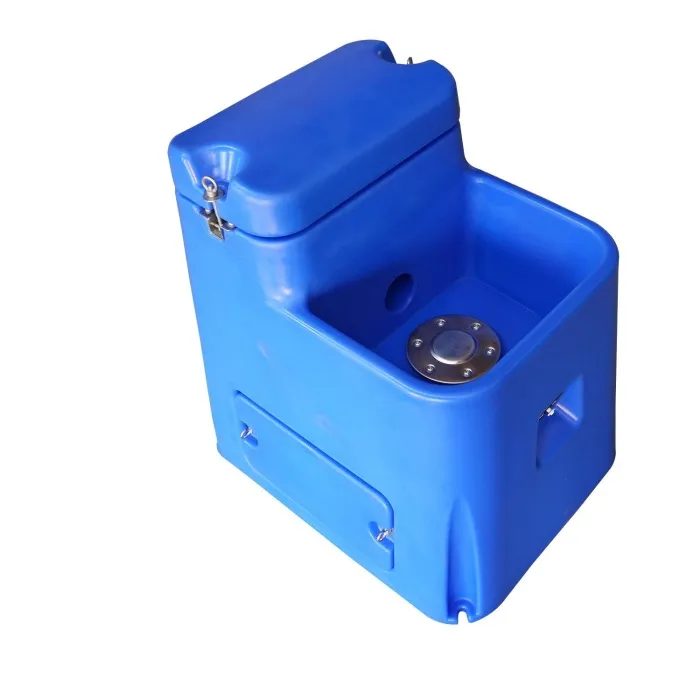
The Terrui single-hole horses water trough shows what that looks like in practice. The unit is 70.5cm long, 56.4cm wide, and 73cm tall overall, with the drinking height at 55cm — sized for large animals, not just horses. Capacity is 16 liters, and the refill flow is 40 liters a minute, so a horse that has just come in from work does not have to wait. The body is LLDPE plastic, chosen for toughness and for resistance to oxidation, pollution, and corrosion; it stays rust-free and shrugs off the ammonia and disinfectants that are part of stable life. The unit runs on 110V and comes with a 300W electric heating plate built into the base, which keeps the water above freezing in winter.
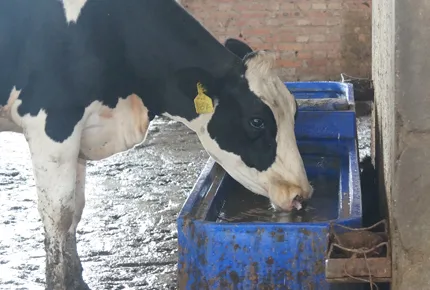
The design details are practical. Large side panels open for easy installation and maintenance, and water comes in from the bottom — most owners plumb the supply line straight up through the concrete floor, which keeps the pipe out of the way and less likely to freeze. The drinker is not limited to horses either: goats, ponies, and other animals can use it, which makes it a useful fit for mixed farms and livery yards. The same livestock waterer family extends the approach to sheep, goats, and cattle, so a distributor can offer one watering system across the whole range.
Something else worth knowing before you buy: the Terrui drinker has an open-air design rather than a covered tank. That sounds like a small detail, but it matters in practice. An open bowl lets you see the water level and quality at a glance, which is exactly what you want when you are doing a quick walk-through of the stables. It also means the horse drinks naturally, the way it would from a stream, rather than reaching into a covered unit. The float keeps the level constant, so the open top never becomes a spill risk.
Why Choose Horse Water Drinkers?
The health argument starts with hydration. Horses are creatures of habit, and when water is always in the same place at the same level, they drink more reliably. The "empty bucket" problem — the horse that has to wait for the evening refill — disappears, and that matters most for horses in turnout or in stables where nobody can check buckets all day.
Digestion follows directly. Water intake and gut function are tied together, and a horse that drinks steadily is far less likely to suffer impaction colic, one of the most serious digestive problems a horse can have. Clean fresh water encourages steady drinking, and steady drinking keeps the whole digestive tract moving. It is a simple equation, but the consequences of getting it wrong are expensive.
Safety is the angle people rarely think about until something happens. A bucket on the floor gets knocked over; a low trough can catch a hoof; wet floors from spilled water cause slips for horses and handlers alike. A drinker mounted or set securely removes the bucket from the equation entirely — no trip hazards, no sharp edges, no staff carrying heavy water through the stable.
The seasons matter too. In winter, the 300W heating plate keeps the water from freezing, so horses always have something to drink even in hard frost — a horse that stops drinking in winter is a colic waiting to happen. In summer, the open design and constant refill keep the water cooler and fresher than a static tank, which encourages intake and helps with heat stress. One unit handles both ends of the year.
Labor and water costs drop as a by-product. No daily hauling, no constant scrubbing; the float refills only what the horse drinks. On a yard with several horses, the hours saved each morning and evening add up quickly, and at a boarding stable those hours are money. The LLDPE body stays rust-free and needs far less care than metal. It also shrugs off the knocks of daily stable life — a kicking hoof or a thrown head is not going to dent or crack it the way it would a thinner plastic or a galvanized tank.
Durability is built in and documented. The unit carries CE certification for plastic water trough construction, and Terrui publishes a full PDF catalog and product specs, so buyers and distributors can quote it with confidence. The same engineering family covers cattle drinking bowls and the single hole cow water trough, which keeps spares and service consistent across a mixed operation.
And there is a quieter stable as a bonus. Buckets clang, tanks get scrubbed, ice gets chipped — all of it noise and disruption. An automatic drinker sits there working silently, the float holding the level. Horses that are not startled by splashing and banging settle better and are easier to handle, and a calmer stable is a nicer place for the people who work in it too. Visitors notice it as well: a yard where water looks after itself reads as a professional operation, which is never a bad impression for a boarding yard or a breeding farm to give.
How to Install and Maintain Horse Water Drinkers
Pick the spot first. Horses drink where they gather, so a stall corner, a run-in shed wall, or a field fence line all work. The 73cm overall height and 55cm drinking height suit large animals, so set the unit so horses do not have to stretch. Keep it away from the feed area to reduce contamination, and leave room around it so the side panels can open for maintenance.
Plan the water supply before you drill. The Terrui drinker takes water from the bottom, and most owners run the line straight up through a concrete pad. Check that the supply line and pressure can handle the 40L/min flow. A shutoff valve on a dedicated line makes winterizing much easier. If you are putting a drinker in every stall, run a manifold with individual shutoffs so one problem never takes down the whole barn. In freezing regions, bury the line below frost depth — the heating plate protects the bowl, not an exposed pipe.
Wire the heating plate properly. The 300W plate runs on 110V. Use a correctly rated circuit with weatherproof connections, and route the cable where it cannot be chewed or stepped on. If your region uses a different voltage, confirm the configuration with the supplier before installing.
Test one full cycle. Connect the supply and let the float fill the bowl. Watch the valve close cleanly at the set level and reopen when the horse drinks. Check the inlet for leaks and test the heating plate before winter arrives, not after the first freeze.
Make maintenance a habit. The large side panels make cleaning easy; rinse the bowl weekly, deep-clean monthly, and check the float for debris twice a season. Inspect the heating connection before winter and the inlet line before summer. Five minutes a week keeps the unit running for years, and a clean drinker is also a nicer thing for a horse to drink from — which, in the end, is the whole point.
Horse Water Drinkers FAQ
How much water does a horse drink per day?
A mature horse drinks roughly 25 to 45 liters a day, more in hot weather or after work. In summer a working horse can go well past that. The 16-liter capacity and 40L/min refill keep up easily, so the water is always there.
Will the water freeze in winter?
No. The 300W heating plate is built into the base of the drinker, keeping the water above freezing even in severe cold while the drinking surface stays safe for the animal. The insulated open-air design works with the plate to keep water drinkable all winter.
Can it be used for goats or ponies?
Yes. The unit is designed for horses, goats, ponies, and other animals. The drinking height suits large animals, but smaller species use it fine, which makes it flexible for mixed farms. If you also keep sheep or goats, the same supplier makes drinkers sized for them.
How often does it need cleaning?
Weekly rinsing covers most stables, with a deeper clean once a month. The side panels open without lifting the unit, so cleaning and valve checks take minutes. In summer, when algae grow faster, a quick rinse every few days keeps the water fresh; in winter the heating plate keeps the bowl ice-free.
What power supply does it need?
The heating plate is rated at 300W on 110V, standard for North American barn outlets. Confirm the voltage configuration with the supplier for other regions, and use a grounded circuit with weatherproof connections. The draw is modest — about what a small appliance uses — so running it through the winter rarely shows up as a meaningful line on the electricity bill.
How is it better than a bucket or open tank?
A bucket empties, an open tank collects debris and freezes solid, and both need daily labor. A drinker self-refills, keeps the water covered and cleaner, heats in winter, and saves hours of watering work every week. Over a year the labor saving alone usually covers the cost of the unit.
Is one drinker enough for several horses?
For two or three horses in a paddock, a single unit with the 40L/min refill handles the demand comfortably. For a larger group, plan one drinker per two to three horses and space them so a dominant animal cannot guard the water. If the intake suddenly drops, check whether a horse is being blocked from the drinker before you assume a mechanical fault.
Conclusion
Horse water drinkers pay for themselves in hydration, digestion, and stable safety. The Terrui single-hole model combines a 16-liter auto-refill bowl, 40L/min flow, 300W winter heating, and rust-free LLDPE construction in one low-maintenance unit. Whether you run a single stable or an equestrian center, clean water on demand is the simplest health upgrade you can make for your horses. Installation is straightforward — bottom inlet, side access panels, one power connection — and the payoff starts the same day: water always present, floors dry, buckets retired. Contact Terrui for a quote on the horse water drinker, request the Terrui Cattle Waterer PDF catalog, or ask about the livestock waterer range for mixed herds.


 English
  中文
中文  日本語
日本語  français
  Deutsch
  Español
  русский
  português
  العربية