Walk into any large barn in the dead of winter around 5:00 AM, and you’re usually bracing for a mess. In sub-zero weather, the absolute worst way to start morning chores is hearing that sharp, metallic pop coming from the plumbing lines the exact second you turn the main water valve on.
Every farm manager knows that sound. You run over to check the trough, and it’s the same old story: the open water pool looks completely clear of ice, but the hidden float valve or the braided supply hose inside the protective enclosure has frozen solid and split wide open. Within five minutes, a massive section of your barn is underwater, quickly freezing into a treacherous ice rink. It leaves you with astronomical repair bills, hours of wasted cleanup labor, and a severe slipping hazard that can easily ruin a high-producing dairy cow or a market-ready steer.
It leaves a lot of producers scratching their heads. They ask themselves: "If my stock tank has an electric heater built right into it, why am I out here replacing cracked valves every winter?" The answer comes down to a major design flaw in basic, off-the-shelf waterers: the localized freeze dead-zone.
Static Ice and the "Water Hammer"
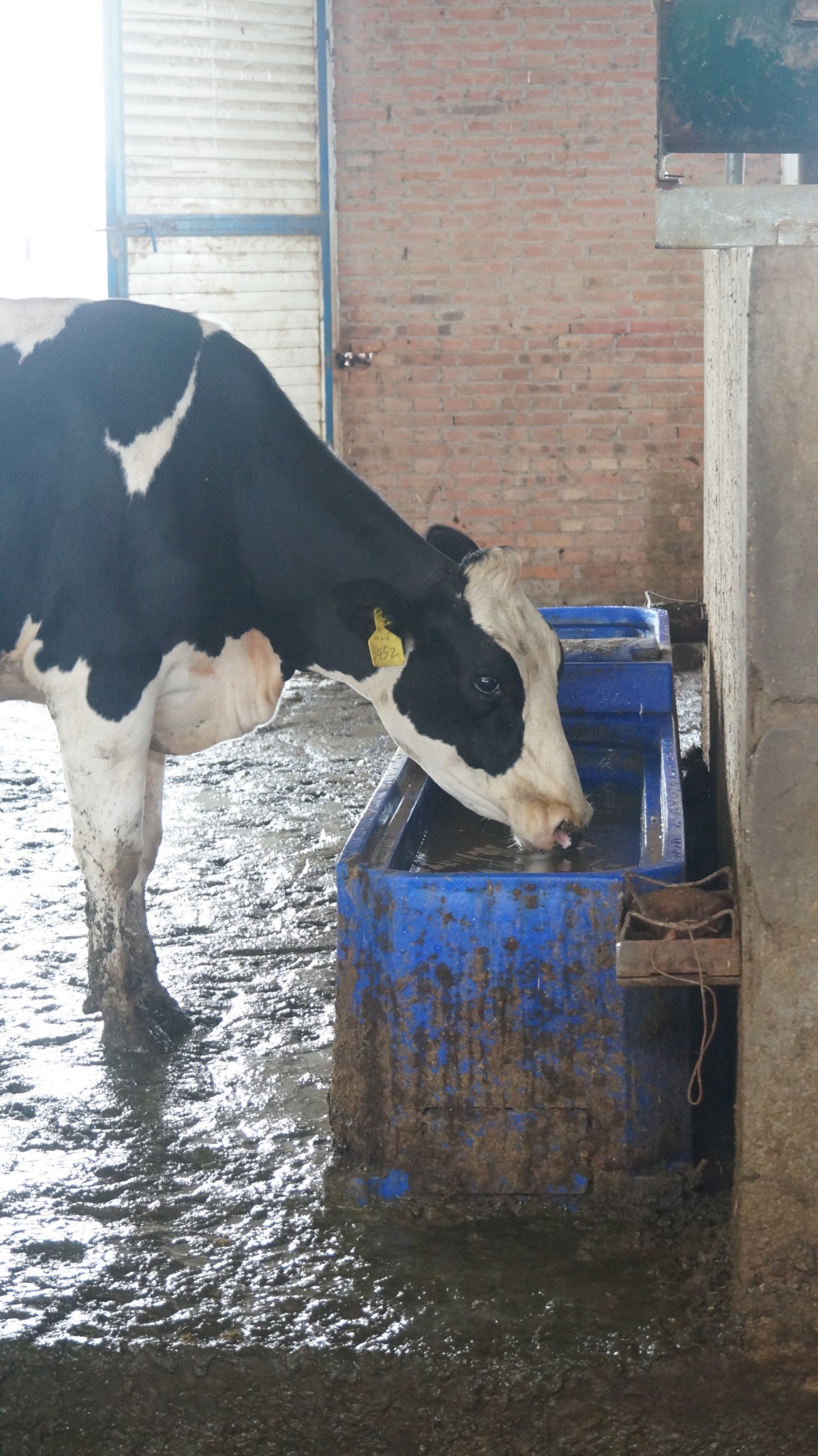
Here is how most standard heated tanks are engineered. The manufacturer drops a single heating element right in the dead center of the trough. Sure, that keeps the big open pool of water from freezing over so the cattle can drink, but it completely ignores the most fragile, sensitive part of the setup—the small-orifice float valve and the incoming supply line tucked away inside a corner compartment.
On a brutal winter night, there is zero direct heat transfer reaching that isolated corner. The stagnant water trapped inside the valve body and the supply loop cools down fast, turning into a rock-hard, invisible block of ice before dawn.
The real damage happens the moment you turn the water on in the morning and the pumps kick in. As line pressure surges, that rushing water slams directly into the solid ice blockage at full speed. Because water doesn't compress, all that kinetic energy has nowhere to go. It bounces back instantly, triggering a massive hydraulic shockwave in a fraction of a second—a well-known plumbing issue called the 'Water Hammer Effect.' Under that sudden, extreme pressure spike, the plastic valve body, brass fittings, or stainless braided hoses—already brittle from the freezing cold—just tear apart like paper.
Fixing the Layout: Complete Valve Warmth with the Terrui WATERER 2250
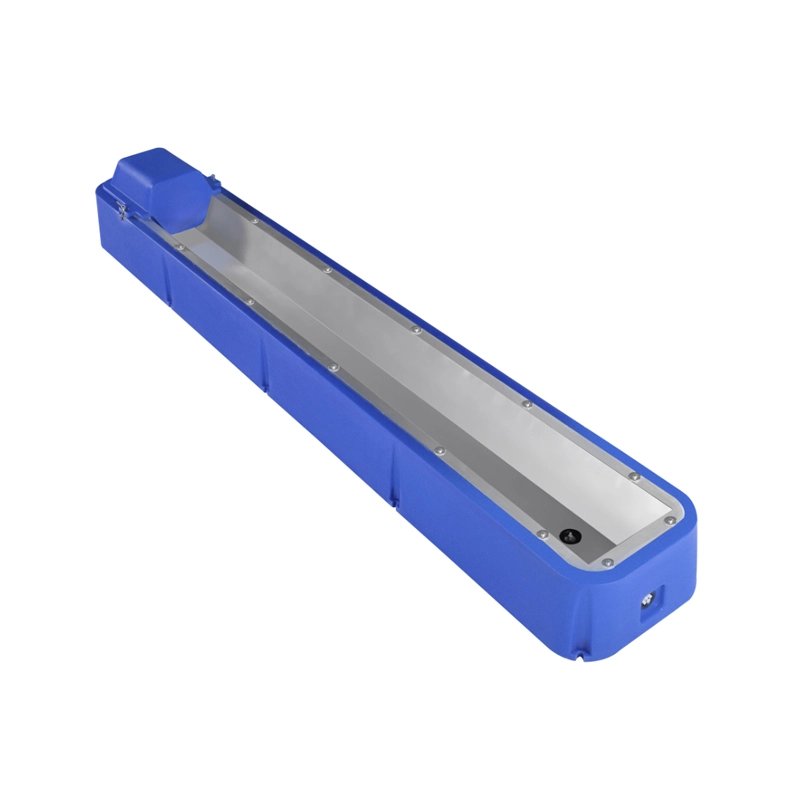
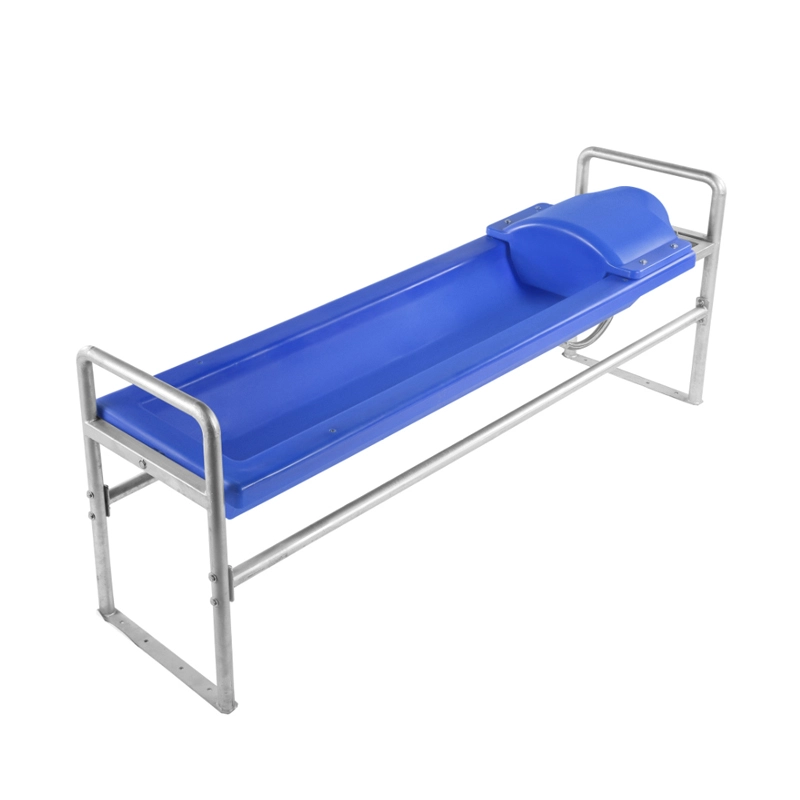
If you want to stop dealing with blown lines and flooded barns every winter, you have to get rid of those cold corners. You need a system that gives you total thermal coverage with no gaps. That is why Shanghai Terrui built the WATERER 2250 Opening Stainless Panel Trough . They took a completely different approach to thermodynamics to handle brutal northern winters.
Instead of a small heater dropped in the middle, the Terrui 2250 uses a high-capacity 600W under-panel radiant heating system. Terrui’s design extends this massive stainless steel radiant panel so that it sits directly below the intake valve seat and the 1-inch high-flow float mechanism itself.
Putting the heat right next to the plumbing gives you two critical lines of defense:
No More Ice Blocks: The 600W heater drives warmth straight up through the highly conductive stainless panel, keeping all 120 liters of the 225 cm long trough perfectly liquid. At the same time, it creates a continuous thermal blanket right around the 1-inch float valve and the braided intake line. Because there are no cold spots left, ice plugs can't form in the first place.
No More Water Hammer: Because the water inside the valve core stays warm and safely above the freezing point 24/7, the plumbing line stays wide open. When the morning pressure comes on, the water just flows naturally. There are no sudden blockages, no air pockets, and zero pressure shocks to split your valve components.
Roto-Molded Armor to Keep the Cold Out
Terrui didn't stop at the internal heating element. They wrapped the entire unit in heavy-duty structural armor to block out the arctic air. The outer body is made from thick, heavy-duty polyethylene (HDPE) using a seamless, one-shot roto-molding process.
This double-walled, hollow structural profile acts just like high-grade commercial insulation. It locks in the heat coming off the 600W sub-panel heater while blocking those freezing, biting winter drafts from ever getting inside the plumbing compartment.
On top of that, the entire outside frame is finished with smooth, rounded edges—none of those sharp, stamped-metal seams you see on cheaper troughs. This shape cuts down on wind-chill exposure over the valve bay and keeps your livestock safe. When you have a big crowd of cows pushing and shoving around the waterer after feeding time, there are no sharp edges to cut their skin or cause deep tissue bruising.
The Bottom Line
When you're running a serious dairy or beef operation, wrestling with cracked float valves, frozen floors, and sudden water shutoffs just wastes massive amounts of labor and throws off your herd's hydration consistency. Upgrading to a purpose-built setup like the Terrui WATERER 2250—where the water, power lines, and valve systems are completely isolated and heated evenly—is the smartest move to keep your water infrastructure running smoothly when the weather turns brutal.


 English
  中文
中文  日本語
日本語  français
  Deutsch
  Español
  русский
  português
  العربية