1. Summary
If you're running a big dairy, you know the "milking rush" is a nightmare for your plumbing. The second those high-yield cows leave the parlor, they hit the return lanes with a massive thirst. If your livestock waterer is built with cheap, slow-refilling valves, the tank goes bone-dry in minutes. This creates "drinking anxiety" across the herd—cows start shoving, production numbers take a hit, and you end up with stressed-out animals and crowded alleys. Our industrial station is built specifically to kill this bottleneck. By pairing a 1-inch large-bore high-flow sealed automatic control float valve with a 120-liter high-capacity buffer reservoir, we’ve made sure the trough stays full no matter how fast they drink, keeping the cows calm and your milk yields steady.
2. What
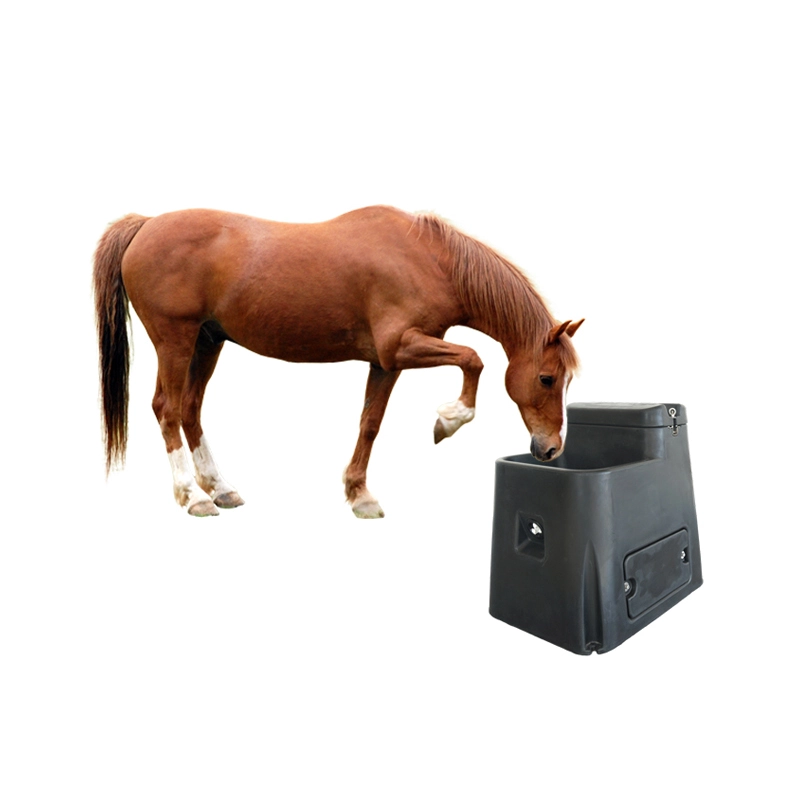
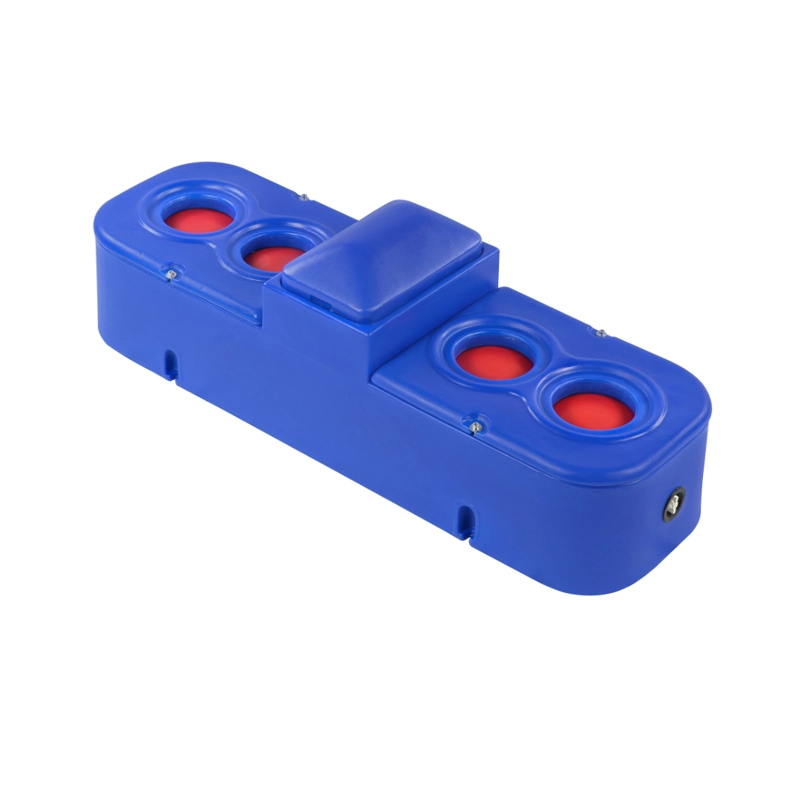
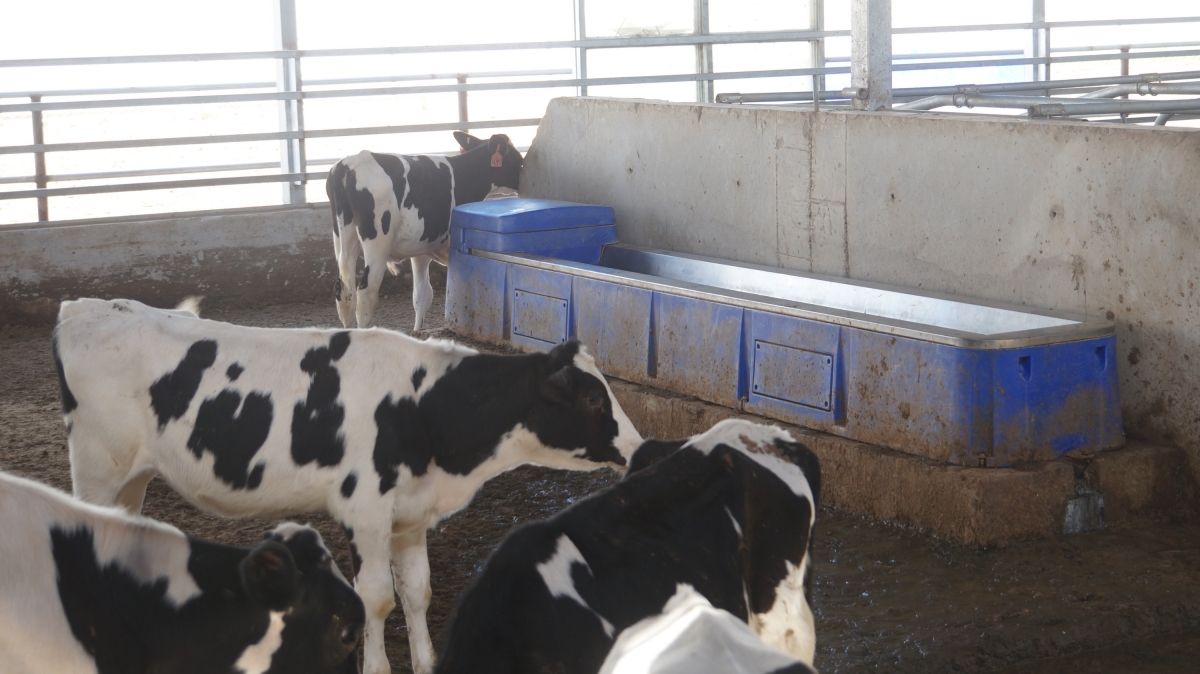
Looking at the hardware, this isn't a standard tub; it's a high-throughput hydration terminal built for heavy-use barns.
The heart of the unit is the 1-inch large-bore high-flow sealed automatic control float valve. We got rid of the small, restrictive valves that cause slow recovery and wear out after a few seasons. Through a standard 1-inch fitting, this valve dumps 120 liters of fresh water every minute (31 gpm) to keep up with the herd.
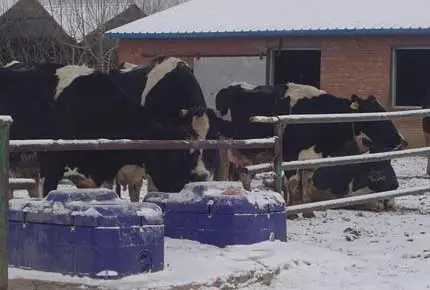
The chassis is built from heavy-duty, impact resistant polyethylene using a one-shot roto-molded process. This creates a seamless, double-walled shell that can take a direct hit from a bull without cracking. Inside, it’s packed with high-density foam to trap heat from a 600W heater. The drinking area is a wide-access large opening stainless panel that stays temperate and ice-free even when the barn freezes over.
3. Why
In a busy dairy or a beef feedlot, a cheap, low-flow trough is a massive liability for a few simple reasons:
The "Anxiety" Problem: A thirsty cow can gulp down 20 liters a minute. If five cows hit a trough with a weak valve at once, they’re staring at a dry floor in under sixty seconds. This makes them link the waterer with resource competition, which spikes their stress and hurts their feed intake.
Shoving and Bruising: When water is scarce, the dominant cows start bullying the submissive ones. This leads to deep muscle bruising and even stress-induced abortions. 【A heavy duty watering trough】 with rounded edges and a 120L/min refill rate keeps the cows relaxed because the water is always there.
Power Bills: If the refill is slow and comes in small bursts, the heater has to fight to warm up the water constantly. This "thermal shock" makes your utility bill spike and wears out the heating elements twice as fast.
We solved this by focusing on volume. The 120L/min flow means the tank recovers in seconds. The unibody shell absorbs the hits, and the large opening stainless panel gives your crew total access to blast out spit and sediment with a hose in about a minute.
4. How
In a busy winter barn, the high-flow system and the impact-resistant frame handle the rush through three basic steps:
Step 1: The High-Speed Refill As the herd crowds the tank, the water level starts to drop. The high-sensitivity 1-inch large-bore high-flow sealed automatic control float valve kicks in immediately. It opens wide, dumping 120 liters a minute through the 1-inch fitting. Because the refill speed matches the drinking speed, the water level stays steady and the cows never face an empty tank.
Step 2: Taking the Hit When twenty cows are shoving for a spot at the trough, the frame takes a beating. The heavy-duty, impact resistant polyethylene shell and the rounded edges distribute that pressure. Instead of cracking or buckling like a metal or concrete tank, the one-shot roto-molded chassis absorbs the energy, keeping the hardware solid and the animals safe from bruising.
Step 3: The Sixty-Second Flush Once the cows move on, feed bits and saliva settle on the bottom. Cleaning is simple: the worker blasts the large opening stainless panel with a high-pressure hose. Since there are no internal boxes or hidden corners to catch dirt, the sediment flushes right out the drain. The sealed valve handles the pressure wash perfectly, so the whole biosecurity check is done in a minute.
5. FAQ
Q1: Is 120 L/min really that much better than a standard valve?
A: Yes. Slow tanks mean the "boss" cows hog the water and the submissive ones stay thirsty. That leads to a hidden drop in your overall milk yield. A high-flow valve ensures every cow gets what she needs right after milking, which is when her body needs it most.
Q2: Does all that cold water make the heater work too hard?
A: Not with a 120-liter high-capacity buffer reservoir. The volume is large enough to mix the incoming cold water without a huge temperature drop. The 600W heater and the foam-insulated shell keep the water temperate even in a deep freeze.
Q3: Why no lid on the "large opening stainless panel"?
A: Lids and latches are usually the first things to break in a barn. They get bent or ripped off. The open design removes those failure points. It’s tougher, easier to clean, and the cows like the unobstructed access.
Q4: Is "roto-molded" plastic actually tougher than a steel tank?
A: For a barn, yes. Steel rusts and concrete cracks. A one-shot roto-molded shell is a single, stress-free piece of heavy-duty, impact resistant polyethylene. It’s flexible enough to take a hit without splitting and it won't rot from the manure or chemicals.
Q5: What’s the point of the rounded edges?
A: It’s about the cows and the hardware. Sharp corners are where cracks start in the tank. Rounded edges spread out the force when a cow slams into it. It also prevents "bruising"—no sharp edges to cut or bruise the animals when they're crowding the line.
Q6: Does the float valve get clogged by feed?
A: No. Since it’s a sealed unit, spit and feed can't get into the core. It’s built for the high-frequency cycling of a busy dairy, so it stays reliable without sticking or leaking.
6. Conclusion
The field data is clear: water access is the engine of milk production. This station, with its 1-inch large-bore high-flow sealed automatic control float valve and 120-liter high-capacity buffer reservoir, finally solves the problem of trough drawdown during the post-milking rush. By wrapping that tech in a one-shot roto-molded shell made of heavy-duty, impact resistant polyethylene, we’ve built a system that is as fast as it is tough. It’s an investment that pays off in cow health, labor savings, and more consistent milk totals.


 English
  中文
中文  日本語
日本語  français
  Deutsch
  Español
  русский
  português
  العربية