1. Summary
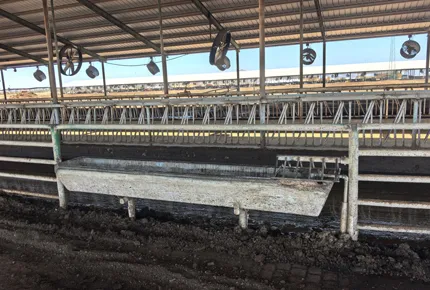
When the temperature drops in a commercial barn, ice isn't just a nuisance—it’s a direct threat to your production numbers. Cows need to stay hydrated to keep their milk output high, which is why a heated livestock waterer is standard gear. But there’s a massive hidden flaw in most tanks: they drop the heater right into the water. Over time, barn chemicals and spit eat away at the insulation, causing "stray voltage." You won't feel it, but your cows will. This tiny electrical sting makes them "water-shy," meaning they stop drinking and your milk yield takes a nose-dive. Our station fixes this by moving the heater out of the tank entirely. By bolting a 600W thermal matrix to the underside of the stainless bed, we’ve made a system that keeps the water liquid without ever zapping the herd.
2. What
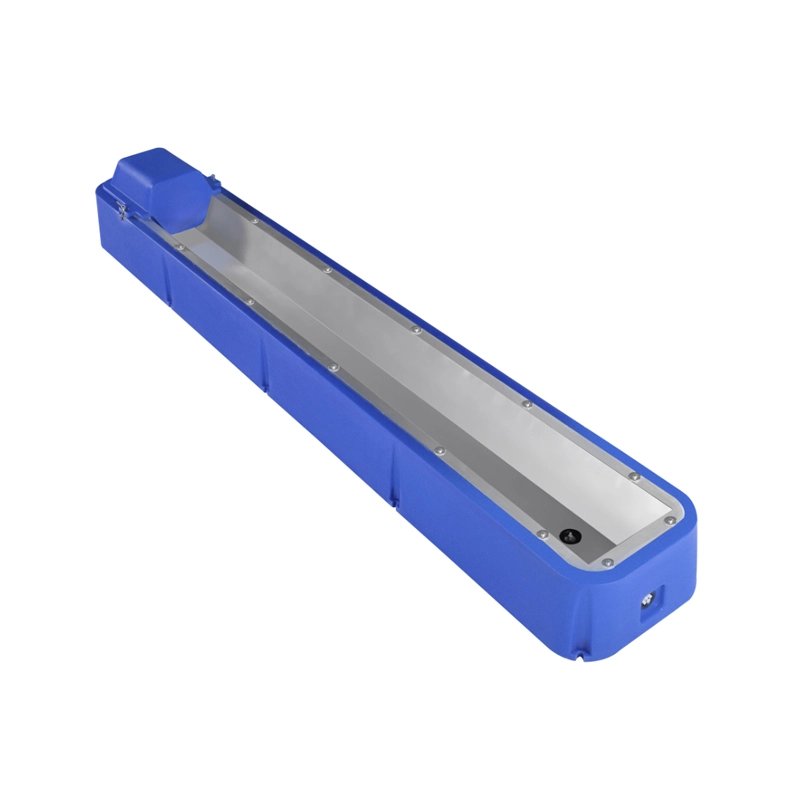
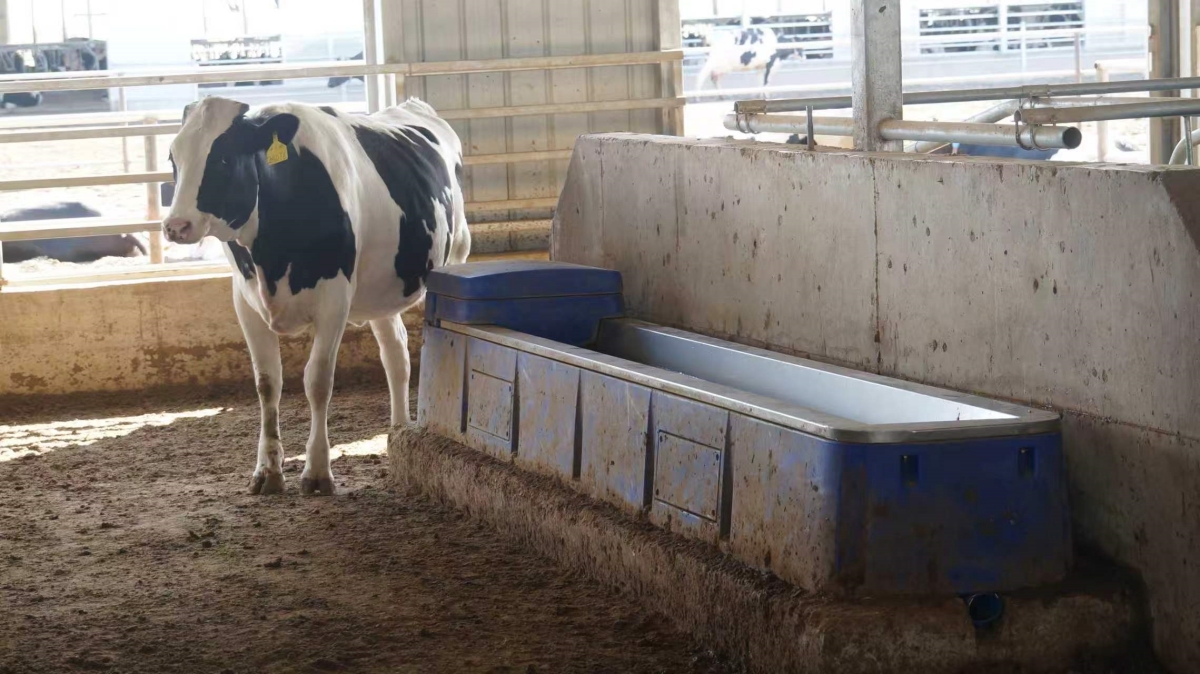
If you look at how this thing is built, it’s basically a high-tech "sandwich" designed for the worst farm conditions. We took the heat source and moved it to a sealed bay underneath the basin.
The heart of the unit is a 600W flat heating matrix that sits right under the floor of the trough. The part the animals touch is food-grade stainless steel. There’s no direct contact between the water and the power; the heat just moves through the metal to warm the 120-liter supply. It’s a true "dry" heating setup where the wiring stays bone-dry.
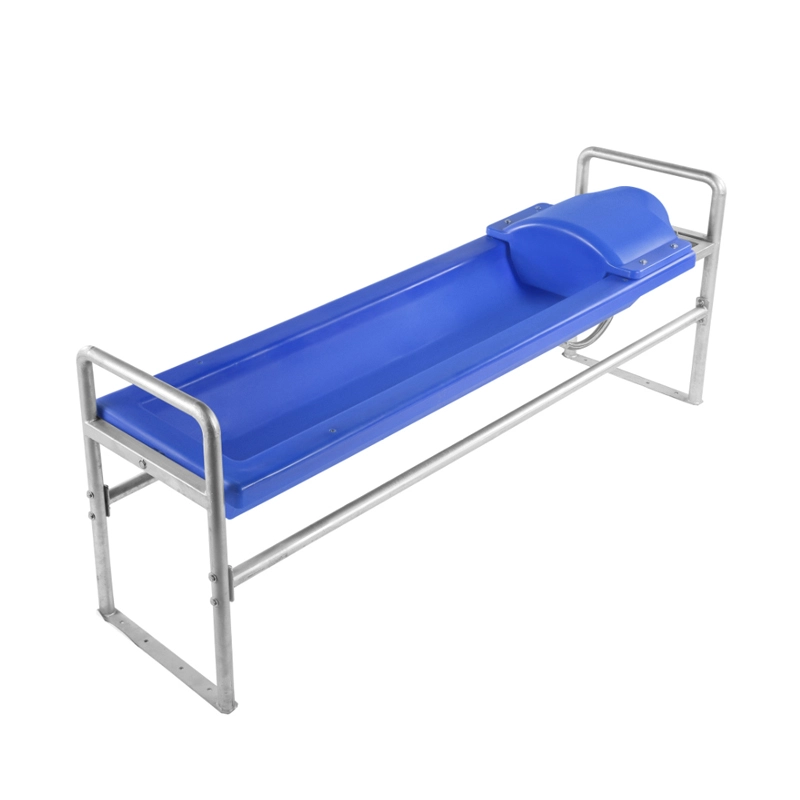
The outer shell is made of heavy-duty, impact resistant polyethylene. We use a one-shot roto-molded process, which means the whole chassis is fused into a single, seamless piece. Unlike regular tanks made of bolted-together parts, this unibody frame is double-walled and foam-insulated. It’s a solid thermal shield that can handle a thousand-pound bull leaning on it without cracking.
3. Why
Stray voltage is a silent profit killer that most managers miss. Standard drinking bowl for cow designs fail for a few simple reasons:
The Rotting Heater: Barns are a chemistry set of ammonia and cleaning acids. Those chemicals, mixed with bovine saliva, eventually rot the skin on submerged heating rods. That’s when the current starts leaking.
The Cow’s "Nerve" Problem: A cow’s muzzle is 50 times more sensitive than your finger. Plus, they’re standing on wet concrete—a perfect ground. Even half a volt feels like a sharp needle-prick to them. If a cow gets zapped once, she won't forget it. She'll back off the water, eat less, and you’ll see a 20% drop in your daily tank totals.
Condensation Shorts: Most tanks put the electronics and the plumbing in the same small box. In winter, that box is full of condensation, which leads to shorts and components burning out, driving up your power bill.
Our station kills these problems at the source. By mounting the heater under the steel bed, we've separated the power from the water. The roto-molded frame has no seams to leak, and the rounded edges protect the cows from getting bruised.
4. How
In a deep freeze down to -25℃, this isolated system keeps the water moving through two basic steps:
Step 1: The Heat Wave When it gets cold, the 600W bottom-mounted heater kicks on. Instead of creating a "hot spot" that burns out a heating rod, the heat spreads evenly across the stainless steel floor. This warms the bottom layer of the water, starting a natural convection current. The 120-liter tank stays at the perfect temp without a single volt of current ever entering the water.
Step 2: The Fast Refill After milking, cows are parched and drink fast—about 20 liters a minute. If the waterer is slow to refill, the incoming cold water can freeze the whole thing up. We use a 1-inch high-flow valve that dumps 120 liters a minute. Because the stainless floor acts as a thermal barrier, the incoming water is warmed up instantly, so the cows can drink as much as they want without any "water fighting" or cold-weather shocks.
5. FAQ
Q1: Why go to all this trouble to isolate the water and power?
A: Because submerged heaters are a liability. Eventually, they leak current. When that happens, cows get "water-shy." They’ll literally choose to be thirsty rather than get stung. This station puts the heater on the outside so the water stays safe and your yields stay high.
Q2: Can a heater on the bottom actually stop a 120-liter tank from freezing?
A: Easily. Since the shell is double-walled and foam-insulated, it acts like a thermos. The stainless steel floor moves the heat very fast, keeping the whole trough ice-free even in a brutal winter without wasting power.
Q3: Will a high-pressure wash-down short out the heater?
A: No. The electrical bay is its own sealed box. You can flip the stainless panel up and blast the basin with a hose, and the wastewater drains right out the bottom. The heater stays protected and dry.
Q4: Is "roto-molded" plastic really that much better?
A: Definitely. Standard plastic tanks have "seam lines" where they’re put together. Those are the first places to crack. A one-shot roto-molded shell is a single, solid piece of heavy-duty, impact resistant polyethylene. It’s basically tank armor.
Q5: What’s the point of the rounded edges?
A: It’s about the hardware and the cows. Sharp corners are where cracks start. Rounded edges spread out the impact when an 800kg cow slams into it. It also means no sharp edges to cut or bruise the animals when they're crowding the trough.
Q6: Does the high flow rate mess with the water temp?
A: The 1-inch valve refills so fast that the cold water is immediately mixed into the big reservoir of heated water. This keeps the temperature steady so the heater isn't constantly cycling on and off.
6. Conclusion
Asset management in a barn is about getting rid of the stressors you can't see. This heated livestock waterer, with its under-panel heating tech, finally gets rid of the stray voltage problem that hurts so many dairies. By pairing a seamless, roto-molded hull made of heavy-duty, impact resistant polyethylene with a smooth safety layout, this system gives you a durable, safe way to handle winter hydration without the drama. It’s an investment that protects your production numbers when the weather turns brutal.


 English
  中文
中文  日本語
日本語  français
  Deutsch
  Español
  русский
  português
  العربية