1. Summary
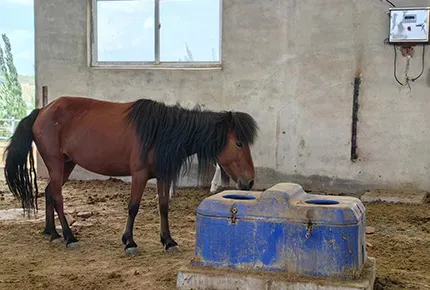
Modern, high-intensity ranching is essentially a war against disease, and biosecurity protocols mean hitting the barn with heavy-duty chemical sanitizers day in and day out. To wipe out threats like foot-and-mouth or African swine fever, commercial operations rely on high concentrations of peracetic acid and caustic soda. The problem is that these chemicals are brutal on standard equipment. When you mix aggressive acid washdowns with the physical force of a thousand-pound cow, ordinary plastic troughs give out. They suffer from Environmental Stress Cracking (ESCR)—basically, they get brittle and snap. The Terrui WATERER 2250 is a heavy duty watering trough built to survive this. By using thick High-Density Polyethylene (HDPE) and a seamless rotational molding process, it creates a chemical-proof wall that doesn't buckle under stress or sanitization cycles.
2. What
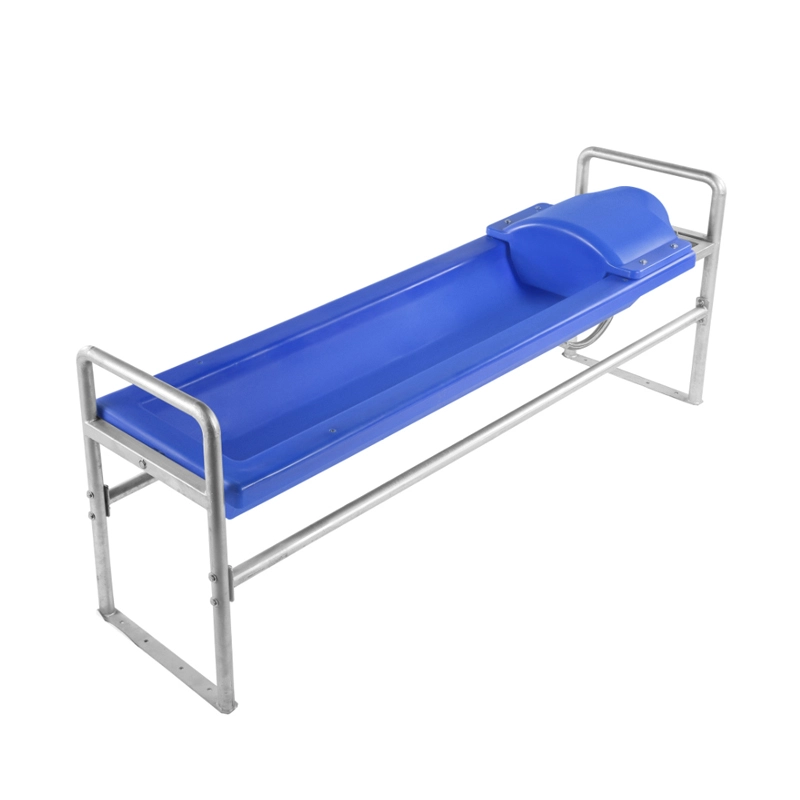
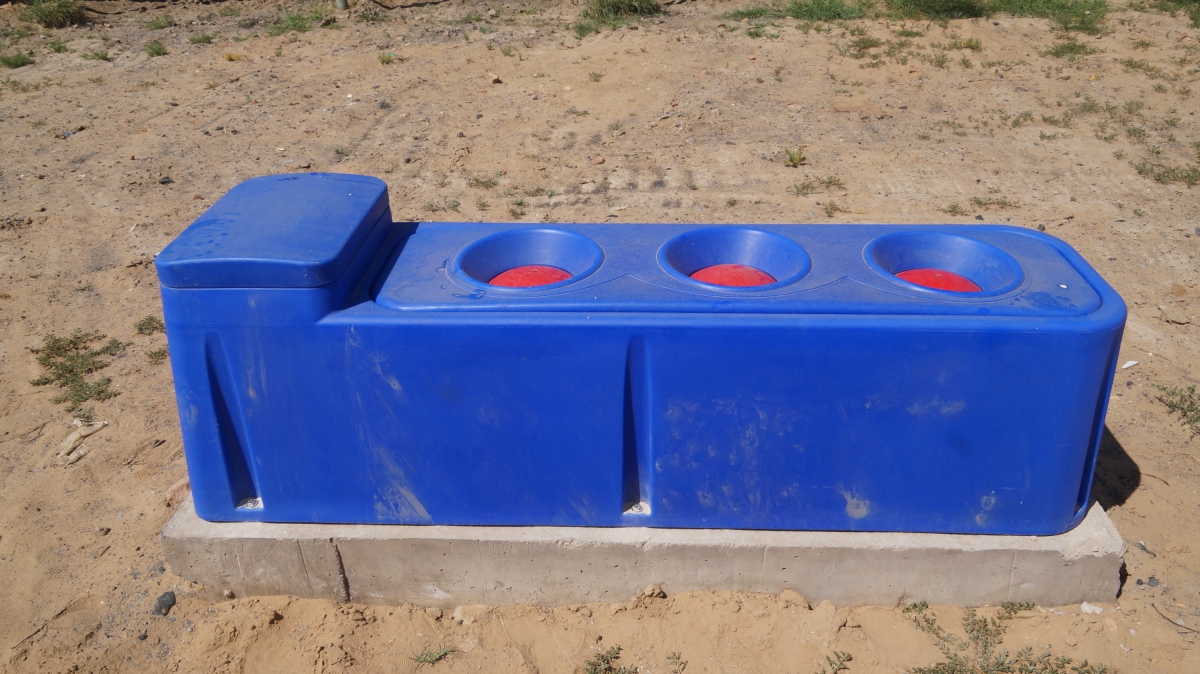
If you look at the build of the WATERER 2250, it’s clearly an industrial-grade enclosure rather than a simple tub. The engineering behind its shell is focused on 'High ESCR' technology, and it works on a few different levels.
The first line of defense is the material itself: a heavily modified HDPE with massive polymer chain lengths. Because these chains are so long and tightly interlocked, the material is naturally inert—chemicals just can't find a way to break it down.
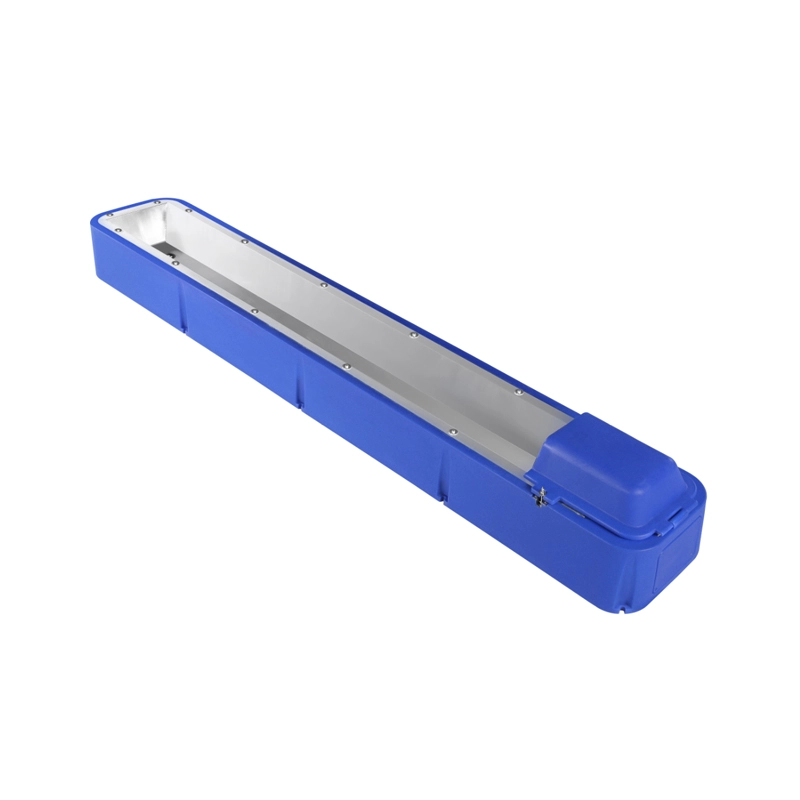
Then there’s the manufacturing. It uses a one-shot roto-molded sequence. Inside a high-temp, multi-axis mold, the resin fuses together in three-dimensional space. This is a big deal because it gets rid of the 'knit lines' and internal tension you always find in injection-molded or multi-piece plastic parts. The result is a roto molded water tank with a double-walled, hollow profile. It’s a solid monocoque structure that stays dense and uniform, creating a permanent barrier against the most aggressive cleaning agents on the market.
3. Why
When you walk through a mega-dairy during a biosecurity audit, you often see legacy gear failing in three predictable ways. These failures turn a clean water source into a hidden risk:
Snap-Points at the Seams: Standard livestock waterer units that are welded or glued together have massive internal stress points from the factory. When you add farm alkalis or chloride cleaners to the mix, those chemicals work into the micro-structure and pull the polymer chains apart. One hit from an 800kg bull, and the whole frame shatters along those seam lines.
Bacteria Hiding in the Cracks: Once stress-cracking starts, you get a web of tiny fissures across the drinking bed. These gaps are too small for a high-pressure nozzle to reach, but they're the perfect size for Salmonella and E. coli to hide in. Warmed by the heaters underneath, these cracks turn into anaerobic incubators for biofilm.
Surface Peeling and Shorts: Troughs made from lower-grade plastics often start peeling or delaminating after a few months of acid spray. Once that happens, water seeps into the foam insulation and the electrical components. This shorts out the heaters, spikes your power bill, and can even cause stray voltage that makes the herd stop drinking.
The Terrui' livestock waterer trough fixes this. Its unibody roto-molded shell has zero seams, so there’s no built-in stress to cause cracks later. It’s a corrosion resistant cattle waterer because the surface is dense enough to resist scratches and fissures, meaning bugs have nowhere to hide. Plus, the rounded edges don't just protect the cows—they allow cleaning water to shed much faster. By using a tool-free, upward-flipping stainless panel and a high-flow valve, it turns a complex cleaning job into a quick sixty-second routine.
4. How
In a fast-moving commercial dairy, the WATERER 2250 has to match high-level polymer science with a practical daily workflow. Here is how the system actually handles a chemical washdown and heavy herd pressure:
Step 1: Deflecting the Chemical Spray
During a weekly deep clean, crews might blast the alleys with a 3% caustic soda solution or peracetic acid. Most plastics would soften or swell, but the 2250’s HDPE shell is effectively immune. Because of the roto-molding process, the molecules are in a relaxed state. The caustic droplets can't find a weak spot in the carbon-hydrogen (C-H) backbone of the polymer. The liquid just beads up and rolls off the smooth frame, stopping chemical corrosion at the molecular level.
Step 2: Soaking Up Impact Loads
Once the barn is open again, you’ve got 800kg cows shoving and crowding the station. This is a massive amount of lateral force and blunt-force impact. The 2250’s double-walled, seamless design takes that point stress and spreads it across the whole frame. Since there aren't any welds or fasteners to act as failure points, the HDPE just dampens the energy. The hull stays solid, preventing any cracks from starting or spreading.
Step 3: The Sixty-Second Internal Flush
After the exterior is clean, the operator handles the internal basin without reaching for a tool kit:
Pop the Latches: Pull the industrial quick-action latches by hand. No screwdrivers or wrenches are needed.
Flip the Panel: The stainless panel pivots up on a balanced hinge, exposing the 1-inch float valve and the whole basin.
High-Pressure Blast: Use a wash gun to blast out any feed bits or spit that settled in the bottom. Pull the rapid drain valve to dump the waste, then click the panel back down. The whole process is done in a minute, which is a huge labor saver for the ranch.
5. FAQ (FAQ Schema Markup)
Q1: What’s the real financial payoff of this "ESCR" tech?
A: Most water troughs crack or leak within two years because of built-in stress points from the factory. The Terrui 2250 is a 【heavy duty watering trough】 designed to last ten years without leaks or brittle failure. It basically cuts your hardware depreciation costs and stops you from having to buy the same gear twice.
Q2: How does the 120 L/min flow rate help the biosecurity plan?
A: Fast water turnover is key. The Terrui 1-inch valve fills the tank in seconds, so the water is always fresh. It also uses progressive damping to stop 'water hammer' vibrations, which prevents the plumbing from shaking itself apart and causing leaks.
Q3: Is roto-molding really that much better than standard injection molding?
A: Yes. Injection-molded tanks are full of seams and internal tension. This roto molded water tank is one continuous, stress-free shell. It’s the difference between a bucket glued together and one that was forged in a single piece—it just won't split open under a bull's impact.
Q4: Why bother with the rounded edge design?
A: It’s a dual-purpose move. Mechanically, sharp corners are where stress builds up and cracks start. By rounding everything off, we distribute the impact force. It also happens to be great for animal welfare, as it stops cows from getting muscle bruises when they crowd the tank.
Q5: Will 2% caustic soda ruin the shell over time?
A: No. The HDPE we use is chemically inert. It doesn't peel, fade, or get brittle when exposed to acids or alkalis. The surface stays smooth, which means bacteria like Salmonella can't find a foothold to grow.
Q6: Won't the hinges and latches rust from all that chemical spray?
A: We use forged 304 stainless steel for the hinges and locks. Everything is passivated to stop pitting and chemical corrosion. Even with daily wash cycles, the panel will still flip open smoothly years down the road.
6. Conclusion
The data from mega-dairies is clear: the WATERER 2250 fixes the ESCR failures that kill off standard troughs. By pairing heavy-duty industrial HDPE with a seamless roto-molded build, you're getting a corrosion resistant cattle waterer that can handle both the cows and the chemicals. When you add in the rounded-edge design and the tool-free, one-minute cleaning cycle, you have a system that protects the herd while cutting down on labor and hardware replacement costs. It’s the industrial standard for any ranch serious about biosecurity and long-term environmental control.


 English
  中文
中文  日本語
日本語  français
  Deutsch
  Español
  русский
  português
  العربية