Selecting a heavy-duty livestock waterer that can take a beating is a basic requirement if you want to stop replacing broken barn equipment. Big cattle and heifers pack an incredible amount of weight, especially when they crowd the feeding lanes during bad weather shifts or peak feeding times. When a whole group rushes the waterer at once, they shove, slam, and headbutt everything in sight. This quick technical guide looks at how one-shot rotational molding keeps water tanks from cracking under pressure, giving ranch owners a setup that actually lasts.
Technical Design and Principles
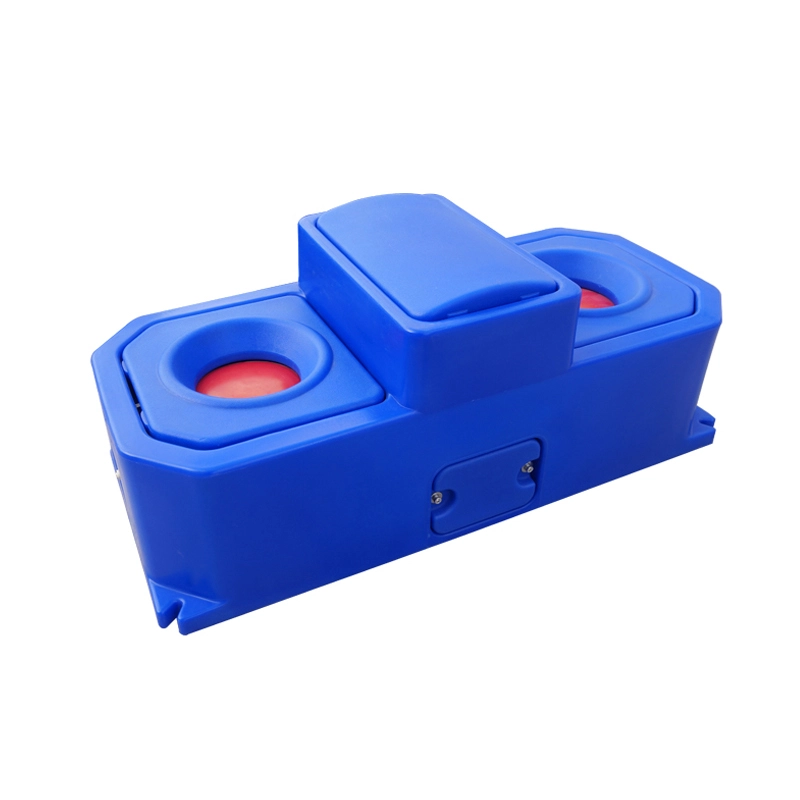
From a materials and factory molding perspective, this 170-cm long, 60-liter (15.8 gallons) smart heated livestock waterer is a specialized heavy-duty tank built for fast field installation in high-traffic cattle lots without needing floor bolts.
Instead of using stiff metal mounting brackets that force you to drill deep into your concrete floors, this unit uses a ballast-stabilized layout. The design relies on the weight of the water volume locking into a wide, heavy-duty polymer chassis. The down-pressure and ground friction keep the unit rock-solid, meaning you can completely skip floor anchors in standard dairy and beef cattle yards. Both the main tank and the bottom base are molded together as a single, uniform piece using an industrial one-shot roto-molded process with thick, high-density polyethylene. This makes the outer shell highly flexible under pressure but tough enough to take heavy headbutts without moving an inch.
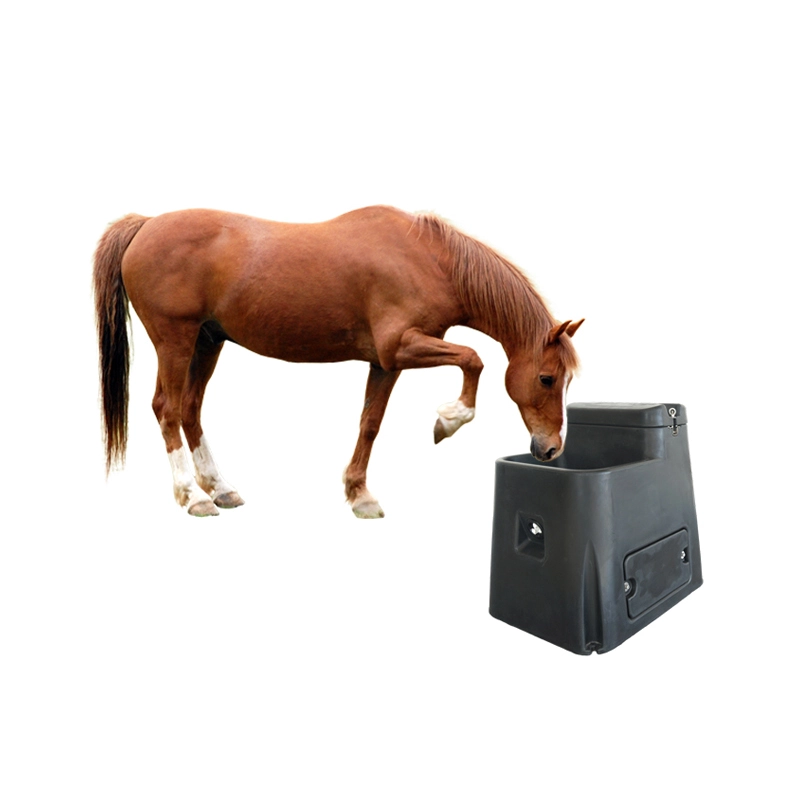
For your water lines, there is a standard 1/2" threaded female inlet directly under the sealed, high-flow automatic float valve. This universal size fits standard plumbing lines perfectly, so you can hook a heavy-duty, stainless-steel braided hose straight to your main supply line without buying custom adapters or doing on-site pipe welding. The unit stays highly adaptable across different jobs: it sits straight on the concrete pad for cattle, but for horse facilities—where horses need a higher water surface to drink naturally due to their body frame—the tank can be set straight onto a raised platform. With its pre-wired 600W heating element and solid polyurethane foam insulation layer, the unit rolls off the truck ready for immediate setup.
Core Engineering Analysis
Installing old-school concrete troughs or welded sheet-metal tanks inside a corral panel zone usually leads to missed deadlines and blown budgets. Swapping them out for a bracketless roto-molded waterer with standard 1/2" fittings cuts through those classic building bottlenecks for a few direct reasons:
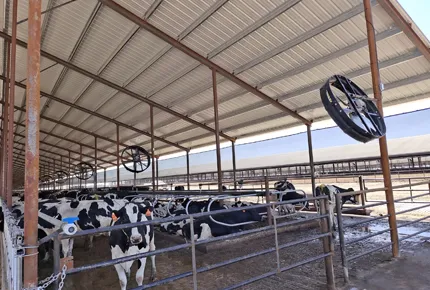
Absorbs Hard Hits Without Cracking: When a group of 600-kg dairy cows crowds the waterer, they slam into the sides with massive force. On a rigidly bolted tank, that impact energy is forced straight into the plastic around the anchor holes, causing the material to crack and split over time. Terrui's bracketless frame allows for tiny, natural micro-shifts against the concrete pad, absorbing the blow without breaking the tank or the floor.
No More Corroded Steel Anchor Bolts: Cattle yard pads are harsh environments full of moisture and ammonia from animal waste. Steel expansion bolts driven into these pads suffer from quick chemical rust and corrosion, loosening up within a few seasons and causing the trough to tilt. Getting rid of floor anchors removes this rust problem completely, saving you from constant maintenance chores.
Zero Risk to Hidden Underground Pipes: Modern barns often run vital electrical conduits, high-pressure water mains, and under-floor heating cables right through or directly beneath the concrete foundation pads. Driving heavy hammer drills into an old floor carries a high risk of puncturing these hidden utilities, causing expensive repairs and system shutdowns. A bracketless waterer drops in place next to any cow fence with zero floor penetration.
Full Reusability Across Different Pens: When herd cycles change, barn layouts often need to transition between cattle, sheep, and horse setups. Rigidly anchored troughs leave ruined concrete holes when you tear them out and cannot adjust to different animal heights. The Terrui system sits flat on the floor for cattle and mounts to an elevated platform for horse barns, giving you 100% asset reusability without wasting old gear.
Field Implementation Protocol
This breakdown shows exactly how to deploy the unit in a high-density beef yard or a specialized horse barn renovation project without wasting field time:
Surface Preparation and Structural Placement
At your chosen installation zone along the cattle yard or loafing alley, sweep the concrete pad clear of loose dirt and straw. Since the tank needs zero ground bolts or fixed base parts in standard cattle setups, your crew can guide the heavy 170-cm shell onto the concrete pad using a forklift or hand team, setting it close to a steel fence post or fence post boundary. You can leave the hammer drills in the truck. No hole alignments to verify, and no secondary mortar pouring required. The massive footprint of the polyethylene base establishes an immediate, stable grip on the slab surface.
Fluidic Integration and Static Friction Matrix Activation
Once the tank is resting on the pad, pop off the top utility lid to get to the pre-installed automatic high-flow float valve inside the insulated chamber. Take the 1/2" high-pressure braided hose and thread one end onto the valve inlet, then hook the other end straight to your water supply stub-out using a standard adjustable wrench. This plumbing connection is completed in less than three minutes without requiring custom pipe-threading or chemical solvents. Turn on the main water valve to fill the 60-liter tank at a fast 40 liters (10 gallons) per minute. As the water fills up, the down-pressure increases, locking the tank tight against side-pushing forces from the herd.
Specialized Elevated Platform Alignment for Equine Layouts
If the same infrastructure unit is deployed within a high-end equine training facility or horse paddock renovation, the construction team adjusts the setup to accommodate a horse’s distinct body framework. Because a standard floor placement sits too low for proper horse watering, technicians position a heavy-duty, pre-fabricated elevated platform next to the designated fence post boundary. The Terrui waterer is then set onto this platform, raising the physical water line to meet the horse's natural drinking stance. The water lines and electrical connections are routed through the 1/2" braided hose up through the platform interior. Once plugged into the 110V-230V grid, the integrated 600W smart heating unit and thick polyurethane insulation maintain an automated, frost-free thermal cycle, providing consistent fresh water while preserving modular reusability.
FAQ
Question 1: Does using the elevated platform for horses affect the bracketless, easy-to-move advantages of the system?
Answer: No, not at all. Terrui's product setup centers on providing a bracketless foundation for cattle while offering flexible modular add-ons for unique animal needs. The waterer attaches to the specialized platform via a secure quick-locking interface, meaning the entire assembly can still be disconnected and relocated quickly during future barn reconfigurations.
Question 2: What are the primary long-term engineering benefits of a bracketless livestock waterer during facility expansions?
Answer: It gives your facility complete layout elasticity. When your cow fence layouts change or loafing yards are merged to accommodate new herds, workers simply turn off the valve, disconnect the 1/2" braided hose, and lift the waterer to a new location with a forklift. The original concrete floor remains completely undamaged, ensuring a 100% equipment reusability rate.
Question 3: How does a one-shot roto-molded polymer shell compare to standard welded steel or concrete troughs under impact?
Answer: Welded steel and concrete troughs contain significant internal stresses from manufacturing, making them brittle and prone to cracking under a hard hit. Terrui's one-shot rotomolding allows the polyethylene molecules to form naturally without pressure, producing a seam-free shell with zero internal stress that retains high impact elasticity even at sub-zero temperatures.
Question 4: Since the unit is not bolted down, is it difficult to drain and clean when organic feed debris collects inside?
Answer: It is much easier than traditional fixed troughs. The non-porous polymer surface has no internal seams, preventing algae and feed residues from sticking. Because there are no mechanical anchors holding it down, workers can easily drain the 60-liter tank, disconnect the quick-release 1/2" line, and tilt the unit to spray it out, reducing summer cleaning labor.
Conclusion
Modern commercial livestock facilities are moving away from traditional, rigidly bolted infrastructure toward flexible, self-stabilized modular designs. Shanghai Terrui’s one-shot roto-molded smart heated livestock waterer proves that a well-engineered static weight matrix can achieve exceptional structural stability without traditional floor drilling, eliminating concrete cracking and fastener corrosion. Through its adaptive elevated platform options for equine facilities, Terrui combines modular setup convenience with high standards of animal well-being.
.jpg "A heavy duty roto molded livestock waterer maintaining static equilibrium next to a cattle fence corral panel without anchor bolts")


 English
  中文
中文  日本語
日本語  français
  Deutsch
  Español
  русский
  português
  العربية