Summary
Noise inside high-density dairy barns causes stress responses in cows. High-yielding milk cows are sensitive to high-frequency vibrations and sudden plumbing sounds. Standard barn water lines rattle and whistle when multiple animals drink at the same time, because the sudden drop in water levels forces standard valves to snap open under high pressure. This noise ruins the quiet environment of the barn and can lead to drops in daily milk yields over time. Terrui addresses this issue by changing how water flows inside the high-capacity trough. Using a valve with built-in hydraulic dampening allows this equipment to fill at 120 L/min while keeping water flow quiet to maintain a calm barn environment.
What
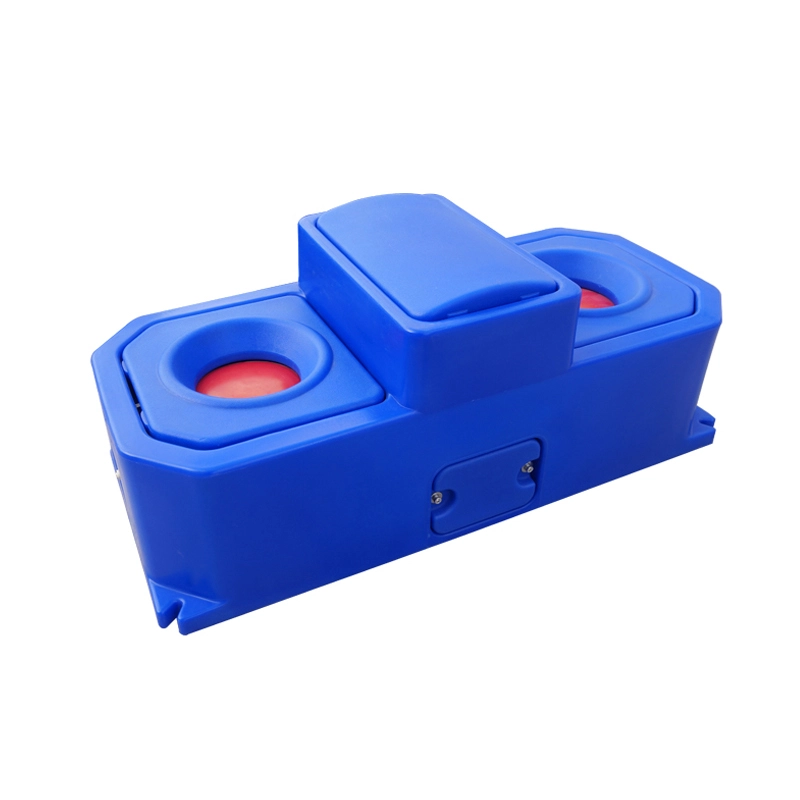
This frost-free water trough uses fluid control and acoustic dampening to serve as an automatic livestock water supply system that stops pipe rattling during refilling.
The water-control setup consists of a 1-inch sealed high-flow float valve and a braided intake hose built for high pressure, which delivers 120 L/min (31 gal/min) under standard barn water pressures. The inside of the valve has internal routing that steps down water pressure before it exits into the 280 cm long, 56 cm wide, 150-liter capacity plastic basin. The trough body is molded from high-density polyethylene in a single piece using a roto-molding machine, creating a thick shell that dampens water vibrations right next to the valve compartment.
Why
Installing standard un-optimized intake valves in high-pressure barn water lines causes ongoing pipe damage, extra maintenance work, and changes in cow drinking behavior:
Whistling Noise Disrupts the Barn and Scares the Herd: Standard intake valves running under high water pressures create spinning currents and air bubbles inside narrow pipe channels. This makes high screeching noises that scare the cows and stop them from drinking normally.
Fast Valve Shutoff Causes Pipe Shaking and Leaks: When the water level hits the top mark, regular float valves slam shut right away. Stopping the fast-moving water so quickly creates pressure waves that shake the pipes, loosen wall brackets, and crack line joints.
Cheap Valve Parts Rust and Jam Up from Barn Air and Dirt: Barn air carries ammonia gas, and well water often contains sand or lime scale. Standard metal hinges and rubber seals rust quickly or get stuck with grit, causing the valve to jam open and flood the barn floor.
Technical Transition: The specialized Terrui 2800 polyethylene livestock waterer utilizes fluid mechanics to overcome these operational bottlenecks. First, the interior valve chambers feature streamlined, progressive dissipation channels that transition high-velocity fluid from turbulent to smooth laminar flows, eliminating cavitation noise. Second, the float linkage runs on a hydraulic dampening logic that extends the closing time window by microseconds to dissipate pressure spikes safely, eliminating water hammer shocks. Finally, the fully sealed corrosion-resistant valve body paired with a 1-inch connection resists mechanical wear and scale buildup, maintaining precise closure over hundreds of thousands of operating cycles.
How
During heavy drinking times after milking or during hot summer days, this water network controls water flow through three plain physical steps:
4.1 Stage 1: The Valve Opens Quietly When Water Drops
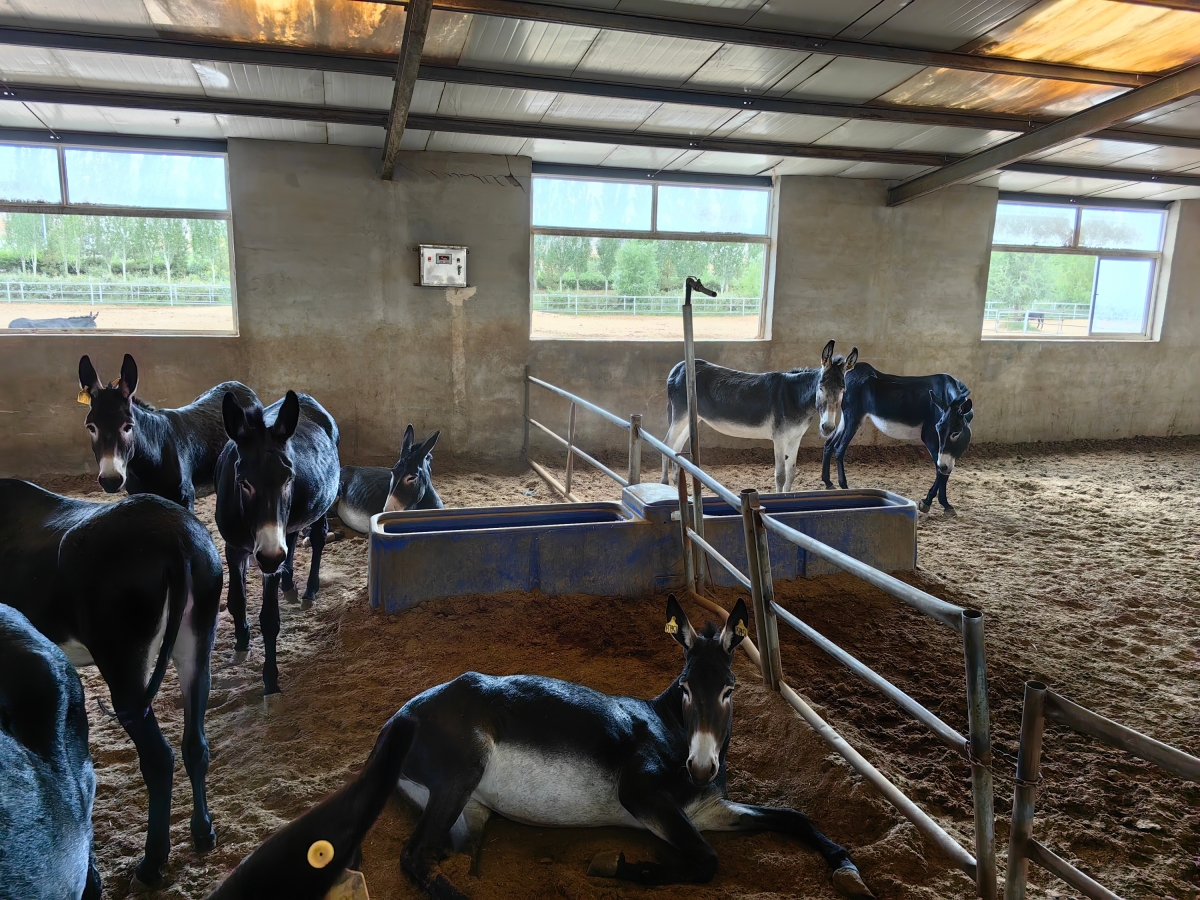
When cows come back from the milking parlor, they crowd the 2.8-meter trough and empty the 150-liter tank quickly. As the water level drops, the float drops with it, pulling open the valve core. Fresh water comes in at 120 L/min without making loud spraying noises or air popping sounds. The internal channels smooth out the incoming water so it flows quietly into the tank.
4.2 Stage 2: Internal Dampening Stops Pipe Rattle During Shutoff
As the tank fills back up to the 44 cm drinking level, the rising float starts to lift the valve arm. Instead of snapping shut with a hard click, the internal hydraulic brake slows down the water flow gradually over a split second. This stops the pipes from banging and rattling, protecting the barn plumbing from breaking over time.
4.3 Stage 3: The Thick Polyethylene Body Absorbs Extra Vibrations
Any minor water hum left over is blocked from spreading through the barn. The entire trough body is made of thick polyethylene plastic molded in one piece. The dense plastic material acts as a natural muffler, deadening high-frequency hums and small vibrations. Together with the sealed central cover, it keeps water noise trapped inside the plastic shell so the cows can drink without being startled.
FAQ
Q1: The valve fills at 120 L/min, but will it stay quiet if my barn water pressure is very high?
A: Yes. The high-flow valve is built to handle high-pressure dairy lines. The internal steps inside the valve cut down the incoming water force and smooth out the stream, which stops the whistling noise even when line pressure goes over 5 Bar.
Q2: If the valve closes slowly to stop pipe banging, will it drip or leak water?
A: No, it will not drip. The dampening part slows the water down smoothly over a fraction of a second, but it does not leave the valve loose. Once the float reaches the top, the mechanical leverage presses the seal tight against the seat for a clean shutoff.
Q3: Can the 1-inch braided hose handle high vibrations and cattle bumping it?
A: Yes, the hose is built for rough barn conditions. It uses a braided outer layer that handles high pressure and absorbs pipe movement. It sits inside the locked center compartment where cows and manure scrapers cannot hit it.
Q4: Will hard well water or sand clog up the inside of the valve?
A: The parts are made to resist grit buildup. The valve core uses hard, smooth plastic parts that let fine dirt pass straight through without scratching the seals. An intake screen also catches larger pebbles before they enter.
Q5: How does the one-piece plastic trough body help make the barn quieter?
A: Metal troughs act like bells, making water noises sound louder across the barn. This one-piece polyethylene body does the opposite; the thick plastic absorbs acoustic waves and vibration energy, acting like a physical muffler for the plumbing.
Q6: Is the center cover easy to take off when I need to check the float valve?
A: Yes, it takes a few seconds. The center shield uses simple hand latches or one bolt. Barn workers can pop the cover off quickly to look at the float, clean out dirt, or change a rubber seal without using special tools.
Conclusion
Good dairy management requires keeping barn noise low to protect milk production. This water system focuses directly on stopping plumbing noise by combining a 120 L/min dampened float valve with a thick, one-piece plastic trough body. This design removes the pipe banging and valve whistling common in old metal tanks, reducing your repair bills and keeping the barn quiet for the herd.


 English
  中文
中文  日本語
日本語  français
  Deutsch
  Español
  русский
  português
  العربية