Summary
Commercial dairy winter viability depends heavily on precision thermodynamic regulation across continuous-flow drinking lines. Uncontrolled heating hardware creates immediate operational bottlenecks, including unstable water temperatures, localized freezing zones, and excessive voltage draw. When severe winter weather moves in, basic thermal setups fail to stop surface ice sheets while triggering acute digestive stress in herd populations due to abrupt water temperature swings. Terrui eliminates these environmental risks by deploying integrated electrical infrastructure and fluid physics directly inside our automated constant-temperature watering platforms. Combining a dedicated logical control enclosure with a high-capacity heating element keeps water supplies reliable under heavy winter workloads. This technical evaluation details internal circuit execution and thermodynamic balance patterns to demonstrate how stable energy deployment provides water supply security for high-density operations.
What
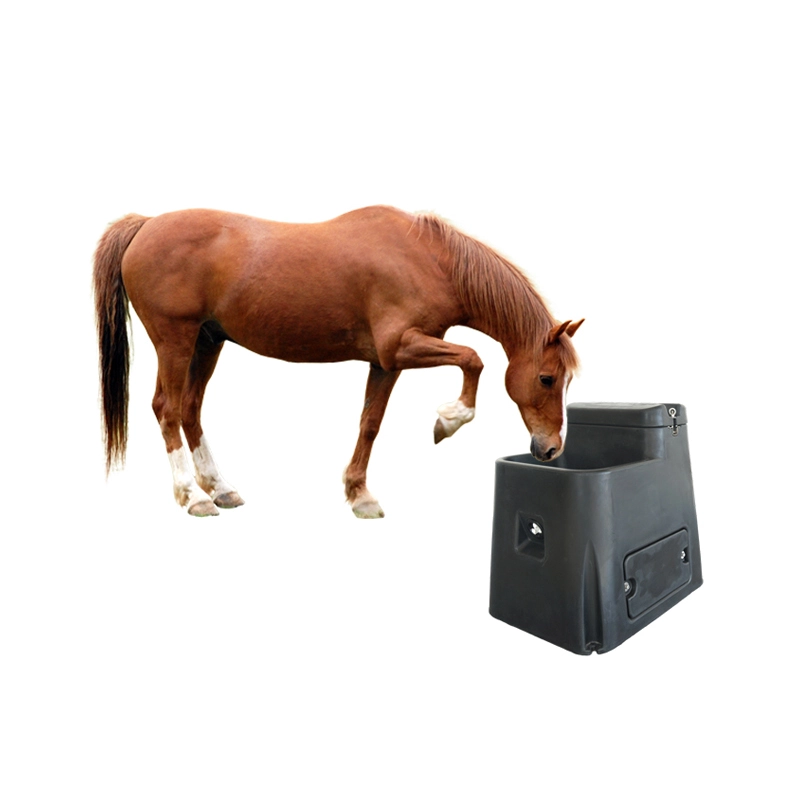
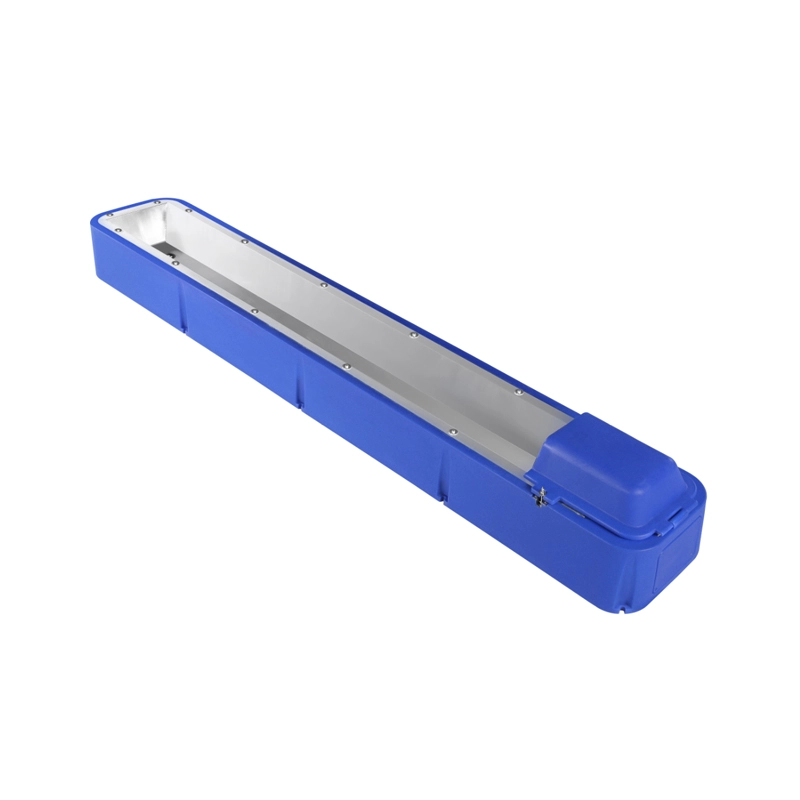
From the specific engineering standpoints of automated electromechanical design and fluid heat-exchange principles, this frost-free drinking trough featuring an automatic control box functions as an industrial electrically heated water network built for rapid replenishment.
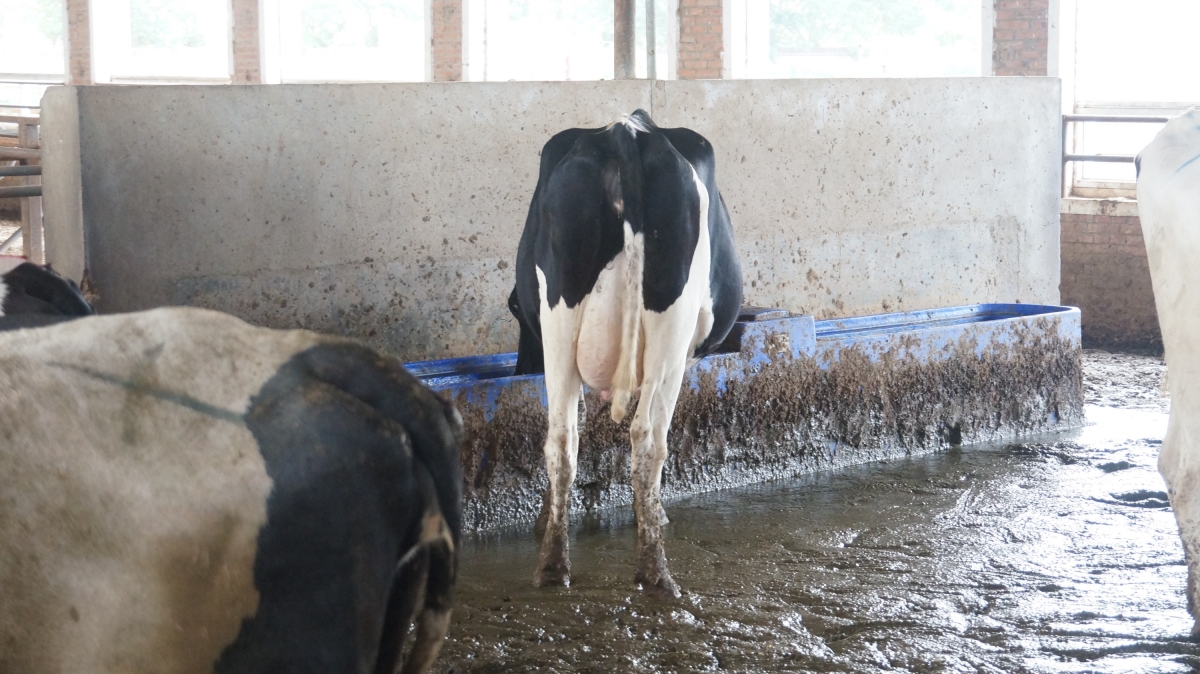
The frame measures 280 cm in length by 56 cm in width, forming a 150-liter liquid reservoir that allows multiple mature cows to line up and drink simultaneously. The core temperature-regulation hardware combines a dedicated logical control enclosure with a 1200W internal heating assembly. Built to interface with 110-230V industrial electrical infrastructure, the control compartment houses precise temperature-sampling circuits, solid-state switching relays, and shielded logical processing chips. The outer structural shell is formed from high-density polyethylene using a specialized one-shot roto-molded process, producing a seamless casing that incorporates internal air circulation paths and thick thermal barriers for complete physical protection and electrical isolation.
Why
Running basic un-optimized heated troughs across northern dairies through winter freeze cycles exposes production facilities to continuous component failures and heavy energy waste:
Delayed Thermal Sampling Triggering High Stress and Fast Component Wear: Legacy troughs rely on mechanical bimetallic sensors that have slow response times. The system stays inactive as water approaches freezing temperatures, then draws full power abruptly—causing intense localized heat spikes that burn out the heating loops prematurely.
Lack of Smart Energy Management Driving Up Winter Power Costs: Conventional heated troughs operate without staged power regulation. They draw maximum wattage continuously whether the barn environment sits at -5°C or -30°C, inflating monthly utility expenses across large-scale dairy systems.
Poor Electrical Insulation Lacking Environmental Isolation Protections: Active dairy barns present heavy moisture levels, corrosive airborne ammonia gases, and constant livestock impact risks. Low-grade control enclosures decay rapidly in these environments, creating stray micro-currents that cause electrical stress, which drives herd populations to avoid the water supply.
Technical Transition: The specialized Terrui 2800 polyethylene livestock waterer utilizes robust electrical and mechanical engineering to overcome these operation bottlenecks. First, its smart heating control box tracks fluctuations down to microseconds, using high-sensitivity sensors to spot minor 0.5°C water variations and extending the operational life of the 1200W heating element; second, its staged energy optimization logic automatically scales power draw based on actual temperature deltas, eliminating waste to lower facility utility bills; third, the heavy-duty roto-molded polyethylene (PE) shell protects the electrical compartment, providing a secure moisture and impact barrier that stops electrical leakage and ensures absolute safety.
How
Inside large-scale commercial facilities navigating severe sub-zero weather, this electromechanical water network maintains herd health and protects production metrics through three distinct operational phases:
4.1 Stage 1: Micro-Sampling Triggers the Heating Circuit
As severe winter cold fronts drop barn temperatures below freezing overnight, the smart heating control box system monitors the water reservoir. The control circuitry runs continuous high-frequency temperature sampling throughout the 150-liter capacity water reservoir. The microchip instantly triggers the drive modules as the water temperature falls toward the lower threshold. The integrated 1200W heating device activates safely, converting electrical power into thermal energy through a high-conductivity stainless steel sleeve to secure water temperatures in the optimal drinking range.
4.2 Stage 2: Intelligent Flux Balancing Regulates Inflow
In the morning, after completing feeding along the barn lines, groups of mature cows crowd the 2.8-meter trough profile to drink, dropping the internal water volume quickly. The 1" high-flow float valve opens fully, introducing fresh water at a flow rate of 120 L/min (31 gal per min). To balance the sudden influx of cold water, the smart control box system scales its thermal output dynamically while the low thermal conductivity of the heavy-duty polyethylene (PE) sidewalls minimizes heat loss, preventing sudden temperature drops in the reservoir.
4.3 Stage 3: Sealed Core Protection Shields Electronics
During peak drinking periods, mature cows weighing over 600 kg push and collide against the waterer housing. The heavy-duty, one-shot roto-molded polyethylene shell absorbs the mechanical kinetic energy through material flexibility, while the rounded edge design protects the herd from bruising. Simultaneously, the fully sealed central shield isolates the smart control box and electrical connections from moisture and animal contact, preventing corrosion from ammonia vapors to ensure zero-fault operation of the electromechanical systems.
FAQ
Q1: How does the smart control box manage power fluctuations when running on 110-230V lines?
A: The automatic control box integrates industrial-grade surge protectors and wide-range voltage filtering circuits. When large barn machinery starts or stops, causing transient voltage fluctuations on the facility's power grid, the central microchip maintains steady logical processing, preventing component failure or accidental shutoffs.
Q2: Operating a 1200W heater in a damp dairy barn presents electrical risks; how does the system stop stray voltage?
A: The system utilizes multiple insulation layers. The electrical heating element features a double-insulated, corrosion-resistant stainless steel tube, and all terminal connections are sealed inside a high-grade waterproof compartment. Paired with the non-conductive heavy-duty polyethylene (PE) chassis, it delivers dual-layer ground isolation.
Q3: What role does the thermal conductivity of the roto-molded polyethylene (PE) play in waterer efficiency?
A: High-density polyethylene has a much lower thermal conductivity than stainless steel or concrete. This means the heavy-duty PE body acts as a natural insulator, trapping the thermal energy produced by the 1200W heating element inside the 150-liter water volume and minimizing heat radiation loss to the cold barn air.
Q4: Will organic buildup or scaling on the sensor probe cause the temperature control box to malfunction over time?
A: No. The system uses a high-grade, corrosion-resistant stainless steel armored thermal probe positioned out of dead-water zones based on fluid dynamics engineering. The smooth, streamlined profile of the internal trough prevents debris accumulation, ensuring precise temperature tracking when paired with regular quick-valve flushing.
Q5: Does the control box require manual resetting or temperature configuration following a winter power outage?
A: No manual adjustment is needed. The smart control box includes non-volatile memory and an automatic restart logic loop. The moment facility power returns, the system boots up in milliseconds, reads the pre-outage temperature parameters, and resumes the configured heating profile for automated operation.
Q6: How do the built-in offset feet assist with routing the internal electrical wiring during facility installation?
A: The configuration simplifies layout planning. The offset feet provide robust mechanical stabilization while creating a dedicated physical space to route explosion-proof conduits up through the concrete pad. This under-trough design keeps all power cabling completely shielded from cattle hooves and manure scrapers.
Conclusion
Modern commercial dairy management demonstrates that combining advanced electromechanical controls with premium material engineering is essential to overcome cold-weather environmental challenges. Our smart constant-temperature drinking system uses a functional heating control box as its technical core, pairing it with a 1200W thermodynamic output and an integrated roto-molded polyethylene chassis to resolve the rough temp tracking, high power consumption, and short circuit risks of older designs. This represents an effective upgrade for your automatic livestock waterer setup, providing an engineered asset that lowers long-term depreciation while optimizing winter operational efficiency.


 English
  中文
中文  日本語
日本語  français
  Deutsch
  Español
  русский
  português
  العربية