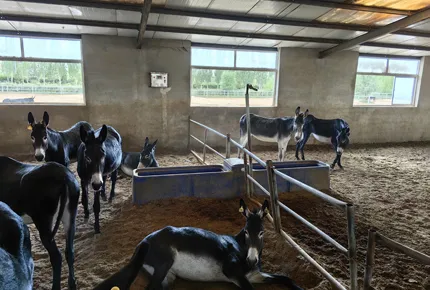
Investing in a tough heated water trough is the most direct way to protect herd health, keep dry matter intake (DMI) high, and maintain solid feed conversion rates when temperatures drop below zero. During freezing weather, barn managers always want to shut the side curtains tight to lock in heat. But sealing a barn completely tight causes a massive spike in relative humidity and traps heavy, toxic gases right at ground level.
The smart move is to link your airflow and your water supply together: run large wall fans at low speeds for micro-ventilation while giving the cattle an advanced, frost-free automatic livestock waterer. Keeping the air fresh and the water mild cuts out cold stress and breathing issues before they hit your wallet.
What: Inside the Hydration and Ventilation Hardware
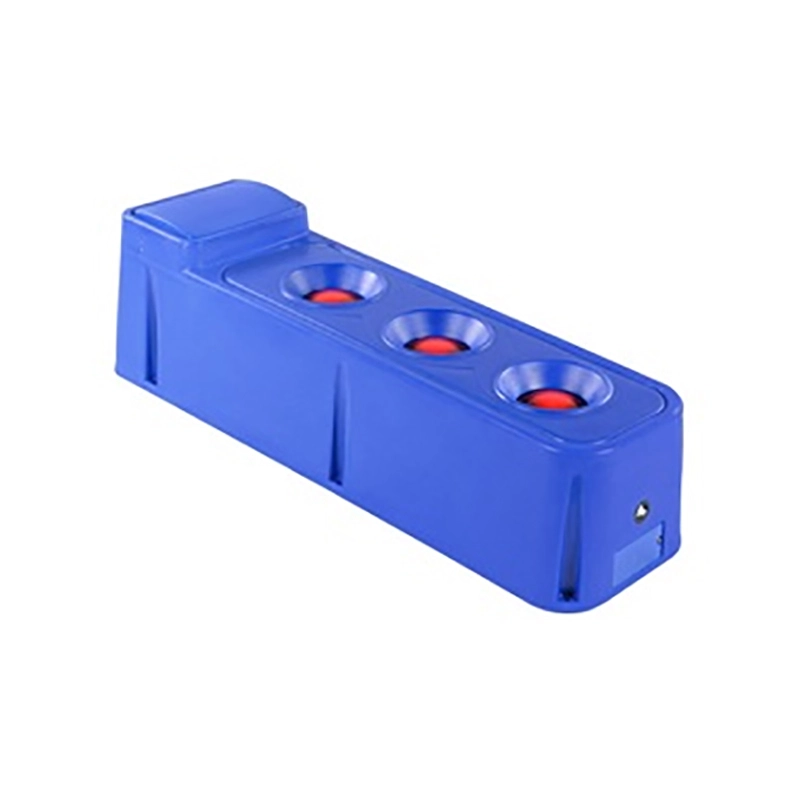
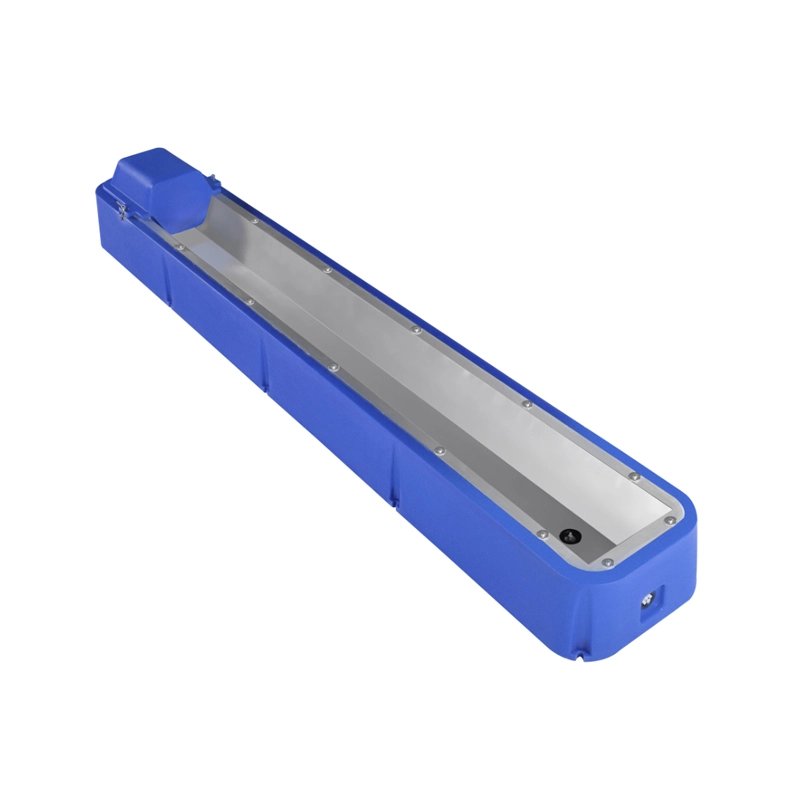
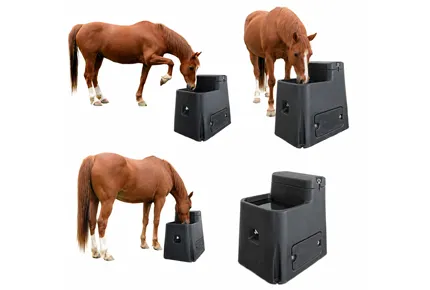
Out on the job site, you quickly learn that a reliable automatic livestock waterer is basically a heavy-duty, double-walled insulated tank built like a commercial cooler.
The outer shell is molded from thick, heavy-duty polyethylene using a single-piece, one-shot roto-molded build. This means zero seams, zero joint lines, and total immunity to rust when battered by heavy cows or soaked in corrosive manure. The core between the walls is packed tight with injected solid polyurethane foam insulation to stop water heat from escaping into the freezing air. For deep sub-zero stretches, an internal electric heating element—run by a smart heating control box wired to standard AC power—keeps the basin completely ice-free. Water levels are handled by a fully sealed, mechanical high-flow float valve hooked up to a stainless steel braided hose, refilling the tank instantly as cows drink.
Working alongside the waterers is the heavy-duty wall-mounted panel fan setup. This ventilation system uses balanced aluminum blades housed inside a tough, roto-molded polyethylene frame that will not rust or pit from exposure to corrosive barn gases. These fans run on high-efficiency direct-drive permanent magnet synchronous motors or advanced EC motors controlled by a variable frequency drive (VFD). This layout lets you run the fans continuously at very low speeds, steadily drawing out wet air and heavy gases without creating the sharp, high-velocity freezing drafts that cause acute cold stress in young calves and heifers.
Why: Overcoming Winter Stagnation and Stress Traps
Harsh winter weather creates a massive operational bottleneck when indoor air rots and water lines freeze solid. When barn curtains are cranked all the way up to block the wind, livestock excrete massive amounts of moisture through their breath and waste. In a stagnant room with zero airflow, this damp air mixes with manure to accelerate the release of toxic ammonia
Once ammonia levels cross the 15 to 20 ppm line, it paralyzes the microscopic cilia lining the upper respiratory tract of your calves and heifers. With that natural filtration barrier wiped out, airborne pathogens bypass mucosal defenses easily, causing rapid outbreaks of Bovine Respiratory Disease (BRD).
Forcing cattle to drink near-freezing water makes things even worse. When a cow gulps down ice-cold water, its internal core and rumen temperatures drop sharply. The animal is then forced to burn precious net energy simply to generate body heat and restore its internal thermal equilibrium—energy that should be going toward milk production or body growth. In worst cases, standard open water lines freeze solid, causing quick dehydration and a total collapse of daily feed intake. Running a smart, energy-efficient waterer alongside low-speed wall fans solves these field issues through four direct advantages:
Respiratory Pathogen Eradication: Continuous, low-velocity air movement constantly flushes out heavy moisture and ammonia gases, keeping relative humidity below 75% to protect the herd's lungs.
Elimination of Cold Rumen Shock: Keeping drinking water locked at a comfortable 10°C to 15°C preserves stable internal rumen temperatures, stopping metabolic drops and keeping feed consumption steady.
Superior Structural Longevity: The thick, roto-molded polyethylene frames on both the fans and the waterers are completely immune to manure and ammonia corrosion, wiping out yearly patch-ups and replacement costs.
Optimized Energy Conservation: The combination of passive polyurethane foam insulation and automated heating elements means the unit only draws active electrical power during extreme temperature drops, maximizing your thermal efficiency.
How: Implementation and Calibration Protocol in Commercial Barns
Getting this winter protection framework right requires a systematic approach to civil placement, mechanical installation, and automated calibration. Your field crew needs to follow these four installation steps exactly:
Step 1: Civil Layout, Hydro-Protection, and Heavy-Duty Anchoring
Pour a flat concrete pad raised 15 to 20 cm above the standard scraping alley floor. This extra height keeps manure and wet bedding from pooling around the base of your heated water trough, keeping the drinking area clean. Bolt the waterer frame down into the pad using industrial expansion anchors to prevent it from shifting when heavy cows crowd the station.
Step 2: Hydraulic Calibration and High-Flow Rate Optimization
Hook your main pressurized water line to the 1/2" internal connection using a heavy-duty stainless steel braided hose. Pop off the top utility access panel to expose the automatic controlled high-flow rate float valve assembly. Turn on the water supply to fill up the 60-liter (15.8 gallon) reservoir. Adjust the nut on the float arm so the mechanical valve snaps completely shut when the water level sits exactly 50 mm below the top rim, ensuring proper water depths across all four individual drinking spots for calves, sheep, or heifers.
Step 3: Electrical Commissioning of the Smart Control System
Wire the internal 600W heating elements into a certified 110–230V single-phase electrical line. Connect the integrated heating control box directly to the internal thermostat probe submerged in the water chamber. Power up the circuit and program your minimum target temperature to 10°C. Use a digital thermal probe to double-check that the heater automatically kicks on during sudden cold water refills and shuts down cleanly once the basin reaches the 15°C comfort zone. Make sure all electrical wiring coming up from the ground is enclosed in liquid-tight flexible non-metallic conduit to stop moisture ingress or animal chewing.
Step 4: Ventilation Integration and Intelligent VFD Automation
Mount the wall panel fans to the structural pillars along the length of your barn walls. Wire the high-efficiency direct-drive EC motors into your central control panel. Place your temperature and humidity sensors right at cow eye-level inside the livestock pens and link them back to the automated controller. Program your VFD to run the fans at a constant 10% to 15% minimum baseline speed during winter stretches, and set an automated script to ramp up air volume if relative humidity climbs past 75%.
FAQ: Frequently Asked Questions about Winter Barn Infrastructure
Q1: How does the Polyurethane foam insulation inside the water trough cut energy costs?
Answer: The solid polyurethane foam core packed between the double polyethylene walls acts like a high-grade cooler jacket. It blocks heat from escaping into the sub-zero barn air, meaning your electrical heating element only draws power during deep temperature drops, cutting electrical bills compared to uninsulated metal tanks.
Q2: Can the wall panel fan create dangerous chilling drafts for newborn calves during winter?
Answer: No. Because the system uses an integrated VFD and a direct-drive EC motor, you can run the fan at low operational speeds. This produces a gentle, continuous micro-ventilation that pulls out moisture and ammonia gas without creating high-velocity drafts that cause chilling stress.
Q3: How is the electrical compatibility of the heated waterer control box?
Answer: The intelligent controller is built for global farm setups, accepting universal voltage alternating current (AC) inputs to safely run the internal heating elements.
Q4: Is the fluid replenishment rate sufficient if multiple animals drink at the same time?
Answer: Yes. The tank uses an industrial-grade high-flow float valve hooked to a wide braided hose, refilling the 60-liter basin instantly to keep all four individual drinking spots full during peak herd usage.
Q5: How does the housing material of the panel fan hold up against corrosive barn gases?
Answer: The fan shell is molded from high-impact polyethylene using a seamless, one-shot roto-molded process. This plastic build gives you permanent rust immunity, completely resisting damage from damp air and corrosive ammonia.
Q6: What is the specific installation height requirement for small livestock like sheep or calves?
Answer: The unit features an engineered drinking height of exactly 30 cm from the concrete pad. This height matches the physical anatomy of sheep, calves, and young heifers perfectly for natural, comfortable drinking access.
Conclusion: Maximizing Cold Weather Herd Performance
Securing solid winter livestock performance means looking beyond simple heat preservation and actively balancing air purity with water access. Running direct-drive EC wall fans gives you precise control over moisture and ammonia removal, preventing respiratory stress and keeping calves and heifers protected from pathogens. When paired with a high-flow, smart automatic livestock waterer that is heavily insulated, your operation guarantees constant access to mild water without spiking your electric bill. This dual-system approach eliminates standard winter health vulnerabilities, optimizes rumen fermentation, and protects year-round dairy profits.
.jpg "Efficient heated water trough paired with high-volume cattle ventilation fans for winter barn micro-climate control and automated frost-free hydration.")


 English
  中文
中文  日本語
日本語  français
  Deutsch
  Español
  русский
  português
  العربية