Summary
In the competitive landscape of 2026 livestock farming, operational efficiency has become the watershed for profitability. The Circulation fan is a cornerstone of farm microclimate control, making its reliability paramount. For years, traditional belt-driven fans have been a "hidden burden" due to frequent wear and high manual maintenance costs. Terrui, with its self-developed 115-B series EC direct-drive technology, has not only eliminated the fragile belt link but also achieved precise coverage across various agricultural settings, including dairy, hog, sheep, and horse farms, as well as greenhouses. This article explains why switching to a reliable direct-drive solution is an inevitable choice for global agriculture to boost ROI.
What: What is EC Direct-Drive Technology?
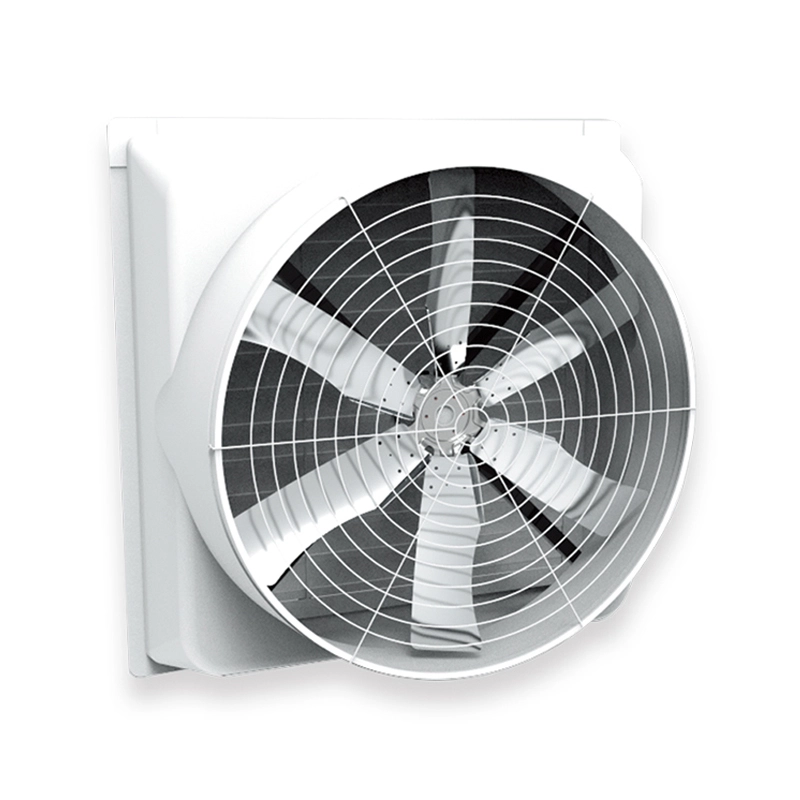
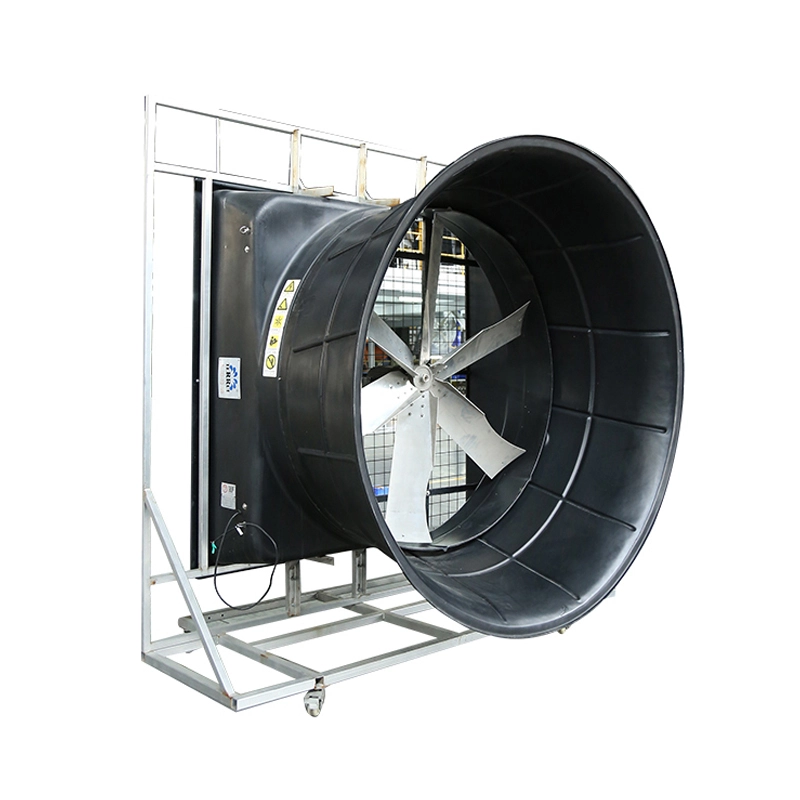
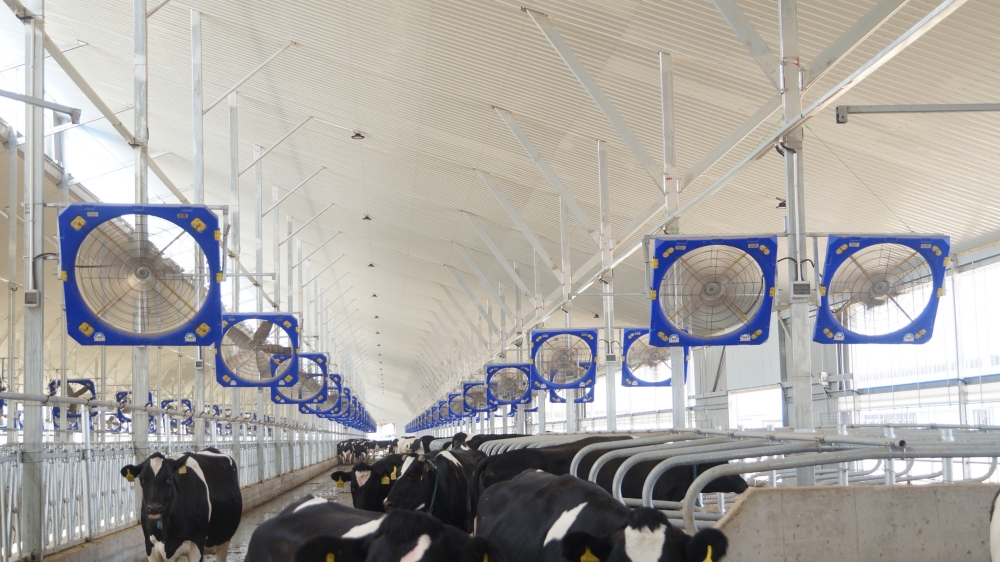
A Circulation fan is a mechanical device specifically designed to improve indoor air circulation and alleviate animal heat stress. The Terrui 2026 1.2m (45-inch) circulation fan utilizes the advanced 115-B series permanent magnet synchronous EC motor.
This "direct-drive" architecture means the motor shaft connects directly to the fan blades, eliminating all intermediate transmission components like belts, pulleys, and tensioners. Physically, the 115-B motor uses rare-earth permanent magnet materials, offering extremely high power density. At 380V, its input power is only 500W with a rotation speed of 610rpm. Paired with Terrui’s signature Fiberglass (FRP) housing, this fan provides exceptional resistance to corrosion and achieves 0-100% stepless speed regulation through electronic commutation technology, allowing for airflow adjustment tailored to the specific needs of different livestock.
Why: Why Belt-Driven Fans are Becoming Obsolete?
Analyzing global farm operational pain points, the hidden costs of traditional belt fans are often staggering. Terrui’s EC direct-drive solution tackles these challenges through several core advantages:
Reduced Maintenance Frequency: Traditional models require quarterly belt tensioning and replacement due to slippage and wear. The Terrui 115-B motor removes all wear parts, significantly cutting labor and parts costs.
Superior Energy Efficiency: Belt drives suffer from approximately 15% energy loss due to friction. Terrui direct-drive fans convert every kilowatt-hour into effective air volume (35,000 m³/h), saving over 30% energy compared to traditional AC models.
Broad Application Adaptability: Whether in the high-ammonia environment of cattle farms, high-humidity greenhouses, or the silence requirements of horse stables (≤36dB), Terrui’s IP55 protection rating ensures peak performance.
Corrosion Resistance and Longevity: For hog and sheep farms with aggressive atmospheres, the FRP housing provides extreme chemical stability, ensuring a long lifespan and avoiding the rust issues common with traditional galvanized steel.
How: How Terrui Reshapes Ventilation ROI Across Diverse Farms?
In real-world agricultural scenarios, Terrui maximizes value through the integration of hardware and software:
Precision Airflow Layout
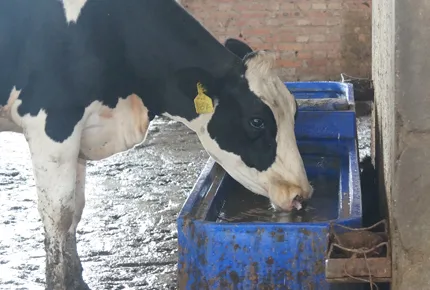
Based on 2026 field data, the 1.2m model provides an effective air speed of 4.6m/s at 6 meters. For horse stables, we use EC regulation to soften the air touch, ensuring no stress for sensitive animals; for dairy farms, high-velocity air is used to effectively remove body heat and maintain milk yields.
IoT Monitoring and Smart Regulation
With the Terrui IoT APP system, farmers can access real-time operating data. Based on the EC motor's integrated feedback mechanism, you can monitor current and rotation speed online. This allows for 0-100% stepless regulation via a mobile device, enabling the system to adjust automatically based on the Temperature-Humidity Index (THI).
FAQ
1. Can these fans be used in hog farms and greenhouses?
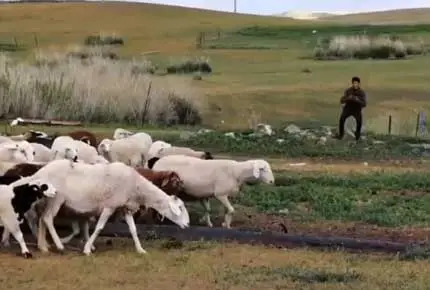
Yes. Terrui circulation fans are widely used in cattle, hog, sheep, horse farms, and greenhouses. The FRP material is highly resistant to the humidity and ammonia corrosion typical in these environments.
2. What is the ROI period for EC direct-drive fans?
With a 30% energy saving rate and the elimination of transmission maintenance costs, the price difference compared to traditional fans is typically recovered through operational savings within 12-18 months.
3. How is the monitoring of current and speed achieved?
The Terrui IoT APP communicates directly with the EC motor's integrated controller, reading real-time feedback signals to provide transparent management of every fan in the barn.
4. Does the 115-B motor support stepless speed regulation?
Yes. Using electronic commutation, the fan can be adjusted freely from 0% to 100% power, allowing for precise ventilation control across different seasons and animal growth stages.
5. Why is FRP housing better than metal?
FRP is a composite material with superior chemical stability. It offers excellent corrosion resistance in harsh ranch environments and will not rust or degrade like traditional galvanized plates.
6. Do direct-drive fans need regular lubrication?
No. By removing the belt, pulleys, and external bearing seats, the 115-B motor design achieves a significantly lower maintenance requirement, saving both time and money.
Conclusion
In 2026, the focus of farm ventilation has shifted to the balance of "efficiency and welfare." Terrui EC direct-drive circulation fans, through their widespread application in cattle, hog, sheep, horse farms, and greenhouses, have fully resolved the maintenance issues of the belt-driven era. This represents a milestone in the transition toward intelligent, low-carbon agricultural operations.


 English
  中文
中文  日本語
日本語  français
  Deutsch
  Español
  русский
  português
  العربية