Summary
The circulation fan in a neonatal calf facility is the primary line of defense against Bovine Respiratory Disease (BRD), but its deployment requires surgical precision. Unlike adult cattle, calves have a dangerously narrow thermal neutral zone and minimal fat reserves, making them hypersensitive to high-velocity drafts. An incorrect circulation fan setup can induce "cold stress," diverting metabolic energy from immune function to heat production. Terrui's 115-A series 38-inch circulation fan resolves this paradox by providing a controlled 27,000 m³/h volumetric flush. Driven by a 0.4HP Rare Earth Permanent Magnet Synchronous Motor (PMSM), this system maintains a measured velocity of 3.3 m/s at a 12-meter distance—the "sweet spot" for ammonia displacement without stripping the calf's thermal boundary layer. This audit breaks down the structural biosecurity of the double-layer PE frame and the aerodynamic parameters needed to maintain a purified micro-climate that supports Average Daily Gain (ADG) and respiratory health in the most vulnerable stage of the herd's life.
What: The 115-A Series and the Physics of Laminar Air Columns
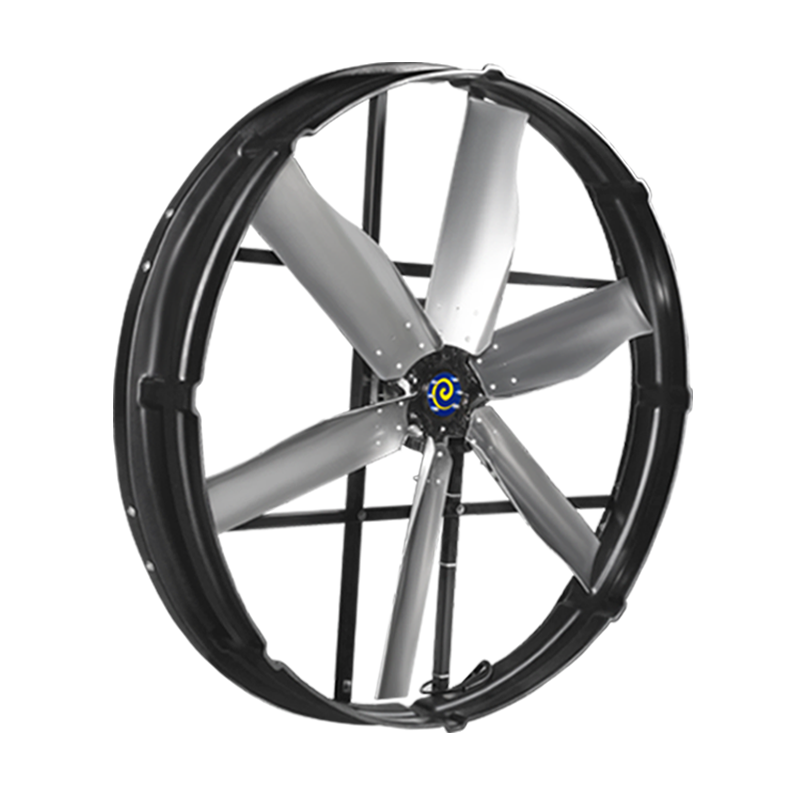
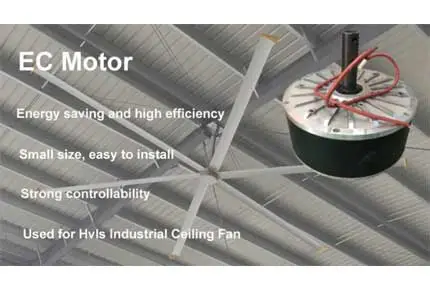
Defining a professional 38-inch circulation fan for calf rearing requires looking past the "big fan" commodity mindset. It is a precision air-mass transfer tool. The 115-A model represents a total departure from legacy belt-driven induction systems, utilizing an outer rotor permanent magnet brushless DC engine (EC motor). To an engineer, the 300W input footprint is critical; it allows for high-density circulation fan grids that don't overload the farm's electrical distribution boards, drawing only 0.8A at 380V.
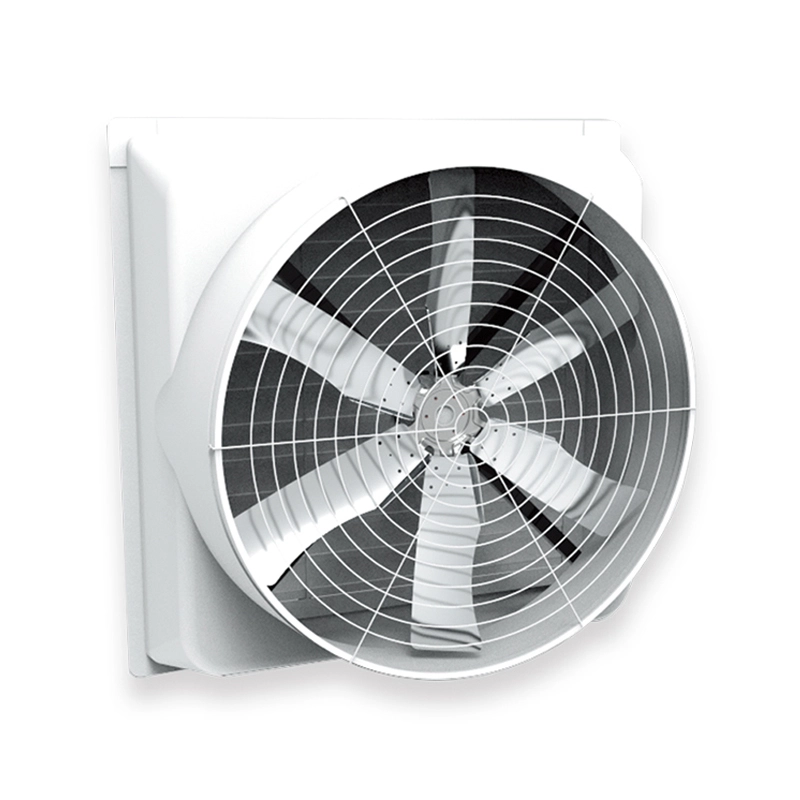
The structural integrity of this circulation fan is built around a Roto-molded, double-layer Polyethylene (PE) housing. Why PE instead of steel or fiberglass? Because neonatal calf environments are chemical warzones. High concentrations of Ammonia (NH3) and Hydrogen Sulfide (H2S) from bedding create a corrosive atmosphere that pits galvanized steel in months. The PE frame of our circulation fan is chemically inert and provides acoustic damping. The blades, made from high-grade aluminum or 304 stainless steel, are mathematically pitched to generate a laminar air column rather than a turbulent blast. This ensures that the 4.2 m/s exit velocity decays in a predictable linear curve to 3.3 m/s at 12 meters, allowing the circulation fan to reach the back of the hutch without causing a wind-chill crisis.
The digital backbone of the circulation fan is its 0-10V signal interface, which links directly to the Terrui APP control system. This transforms the circulation fan into an intelligent node. With an IP55 rating, the motor and internal magnets are hermetically sealed. You can hit this circulation fan with a high-pressure water jet during disinfection cycles without fear of electrical failure. It is a "Maintenance-Free" asset where the motor shaft is the hub, eliminating the "frictional tax" and failure modes of belts, pulleys, and external bearings.
Why: The Biological Reality of Ammonia Stratification and Wind Chill
Why should a rancher invest in a specialized 38-inch circulation fan instead of a generic industrial unit? The answer is rooted in the biology of the calf’s respiratory tract.
1. Neutralizing the "Bedding-Level" Ammonia Pocket
Ammonia is heavier than air. It settles at the ground level—exactly where the calf spends 80% of its time lying down. When NH3 levels exceed 10 ppm, it paralyzes the cilia (microscopic hairs) in the calf's trachea. This open-door policy allows bacteria to penetrate the lungs, leading to BRD. A standard circulation fan often fails here by either being too weak to reach the floor or too turbulent, which stirs up bedding dust into the calf's eyes and nose. The Terrui 115-A circulation fan provides a "Gentle Displacement" logic. It moves the ammonia-laden air out of the hutch while constantly replenishing the bedding with 27,000 m³/h of fresh, oxygenated air.
2. Avoiding the "Wind Chill" Metabolic energy Drain
Calves are born with zero subcutaneous fat. If a circulation fan hits them with air velocity exceeding 0.5 m/s at the bedding level during cold weather, they experience "cold stress." This forces the calf to burn its limited fat reserves just to stay warm, rather than using that energy for growth. The precision of the 115-B EC motor allows for 0-100% stepless regulation. In early spring, you can drop the circulation fan to 30% power—just enough to clear the ammonia without stripping the calf's thermal envelope. This surgical control of air speed is the most effective way to improve Average Daily Gain (ADG) and reduce antibiotic reliance.
3. Humidity Control and Pathogen Suppression
High humidity is a petri dish for scours and pneumonia. Bedding that remains damp because of stagnant air is a primary vector for disease. The 115-A circulation fan facilitates constant moisture evaporation. By keeping the straw or wood shavings dry, the circulation fan reduces the survival rate of airborne pathogens. Because the Rare Earth EC motor pulls only 300W, you can run this drying process 24/7 for a negligible monthly utility cost, essentially using air as a biological disinfectant.
How: Strategic Deployment of the 115-A Circulation Fan Grid
Implementing a circulation fan strategy in a calf facility involves three technical phases: pitch alignment, speed-profiling, and moisture-response.
Phase 1: Mounting Height and "Entrainment" Pitch
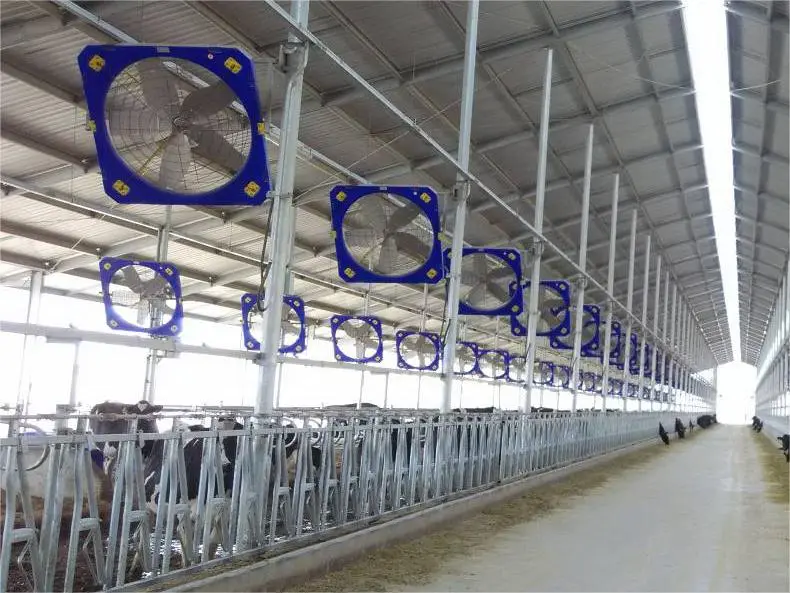
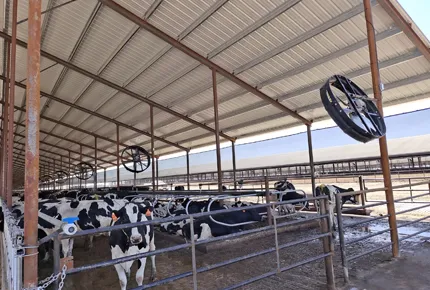
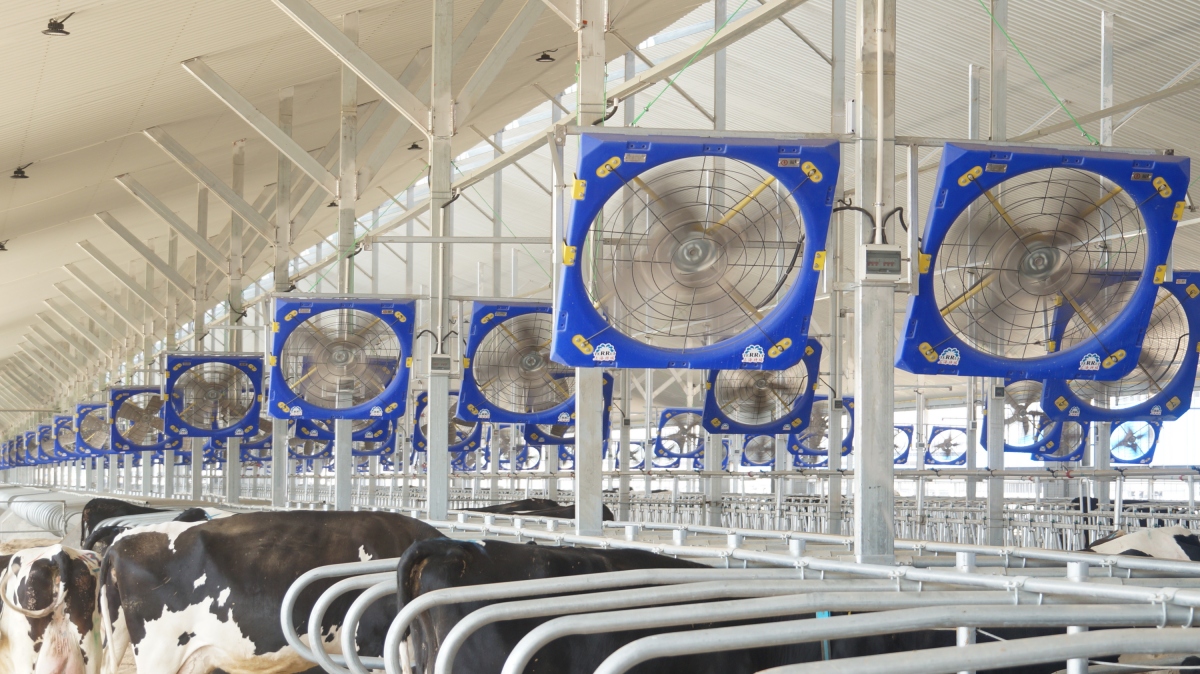
The physical placement determines if the circulation fan is a safety tool or a hazard. Units must be mounted at a height of 2.2 to 2.5 meters. The circulation fan must be tilted downward at a specific angle of 15 to 25 degrees. This pitch is critical; the core of the air stream must pass just above the calf while it is lying down. This creates a secondary "entrainment" effect, where the high-speed air column pulls fresh air into the hutch from the aisles, providing air exchange at the floor level without a direct, chilling blast.
Phase 2: Grouped Modulation via the Terrui APP
Calf requirements change based on days of age. A 7-day-old calf and a 60-day-old weaned calf have different thermal limits. Through the Terrui APP, you can group circulation fan units by row or pen age. For the neonatal group, the circulation fan might be capped at 400 R/min, providing a whisper-quiet exchange. For older calves with higher metabolic heat, the circulation fan can be synchronized with the peak Temperature-Humidity Index (THI) of the afternoon, ramping up to full capacity automatically.
Phase 3: Humidity-Triggered Bedding Recovery
Integrate the circulation fan array with real-time environmental sensors. In many calf barns, humidity is more dangerous than temperature. High humidity prevents the bedding from drying, leading to skin infections and respiratory stress. By setting a "Humidity Trigger" at 65%, the circulation fan can automatically increase its R/min until the sensors detect a drop in ambient moisture. This ensures the hutch remains a dry, sterile environment without human intervention.
Phase 4: Low-Current Grid Management
Because the 115-A circulation fan pulls only 0.8A, you can install up to 10 units on a single standard circuit. This drastically reduces the cost of electrical infrastructure. When designing the layout, ensure that each circulation fan is spaced exactly to utilize the 12-meter throw. If you place them too close, you create turbulence; too far, and you create "stagnation pockets." The goal is a seamless highway of air that flushes the entire facility.
FAQ: Engineering Checklist for Calf Barn Ventilation
Q1: Why is a 38-inch circulation fan better than a 55-inch fan for calves?
A 55-inch fan is a "wind tunnel" machine. It moves 70,000+ m³/h, which is far too aggressive for neonatal biology. The 38-inch circulation fan provides a controllable 27,000 m³/h. It allows for localized air exchange that targets the ammonia without creating the high-velocity drafts that cause shivering and immune suppression in young animals.
Q2: Does the EC motor in the circulation fan need a separate inverter?
No. The 115-A circulation fan uses an integrated drive. You don't need to buy or wire a separate frequency inverter. It accepts a 0-10V signal or talks directly to the Terrui APP. This simplifies the wiring, reduces failure points, and cuts your total installation cost per circulation fan unit.
Q3: How does the PE frame of the circulation fan hold up against ammonia?
It's virtually immune. Ammonia gas (NH3) reacts with moisture to form a corrosive liquid that eats galvanized steel and cracks low-tier fiberglass. The high-strength, double-layer PE housing of our circulation fan is chemically inert. It won't rust, it won't pit, and it won't flake into the calves' feed or bedding, ensuring a 10+ year service life in the harshest barn conditions.
Q4: Can the 115-A circulation fan be used in a tunnel-ventilated barn?
Yes. Even in tunnel barns, you get "stagnation zones" behind pillars, in corners, or at the end of hutch rows where the main longitudinal flow doesn't reach. The 38-inch circulation fan is perfect for "dead spot elimination," ensuring that every calf in the building gets the same high-quality air regardless of its location in the layout.
Q5: Is 3.3 m/s wind speed at 12 meters too fast for a baby calf?
Not if the pitch is correct. Remember, the 3.3 m/s is the velocity of the main air column above the calf. Because the circulation fan is mounted at 2.5 meters and angled down, the air that actually reaches the bedding is a gentle, entrained flow. 3.3 m/s is the "carrier velocity" needed to ensure the air makes it 12 meters down the row without stalling.
Q6: What maintenance is required for the 115-A circulation fan motor?
Zero. This is a direct-drive EC system. There are no belts to tension, no pulleys to align, and no external bearings to grease. The only maintenance is the "IP55 Washdown"—periodically using low-pressure water to clear dust from the PE frame and the stainless steel blades to maintain aerodynamic balance. It's a "set-and-forget" infrastructure asset.
Conclusion: Purpose-Built Environmental Infrastructure
The biological vulnerability of young cattle is the primary bottleneck in dairy profitability. A standard circulation fan setup that causes drafts or ignores ammonia stratification is a liability, not an asset. Terrui's 115-A series 38-inch system provides the technical precision needed to balance hygiene with physiological comfort. By utilizing Rare Earth PMSM motors and corrosion-proof PE frames, we offer a maintenance-free solution that supports long-term herd health. Whether you are fighting high humidity in the spring or ammonia accumulation in the winter, the ability to control velocity and throw distance is the new safety standard for neonatal care. If you are ready to eliminate the "wind chill" risk and protect your future herd, contact our engineering team today for a custom barn layout or download our latest circulation fan specification catalog for 2026.


 English
  中文
中文  日本語
日本語  français
  Deutsch
  Español
  русский
  português
  العربية