Summary
The water trough is a primary biological liability if it is not engineered with a 0% porosity surface. In the high-stakes environment of commercial dairy ranching, traditional European cast iron or single-wall plastic tanks act as pathogen reservoirs—hiding E. coli and Salmonella in microscopic surface pits. Terrui has neutralized these risks with its hybrid-material water trough technology. By fusing food-grade 304 stainless steel panels with a high-density, Roto-molded polyethylene (PE) exterior, we have eliminated the "cold-bridge" heat loss typical of metal tanks while providing an ultra-smooth surface that resists Extracellular Polymeric Substances (EPS)—the slimy biofilm that protects bacteria from disinfectants. This audit explores how this water trough design protects "Somatic Cell Count" (SCC) stability and milk quality through advanced thermal logic and structural biosecurity, ensuring a fail-safe hydration terminal for the 2026 industrial livestock landscape.
What: The Engineering Logic of Cross-Material Water Trough Systems
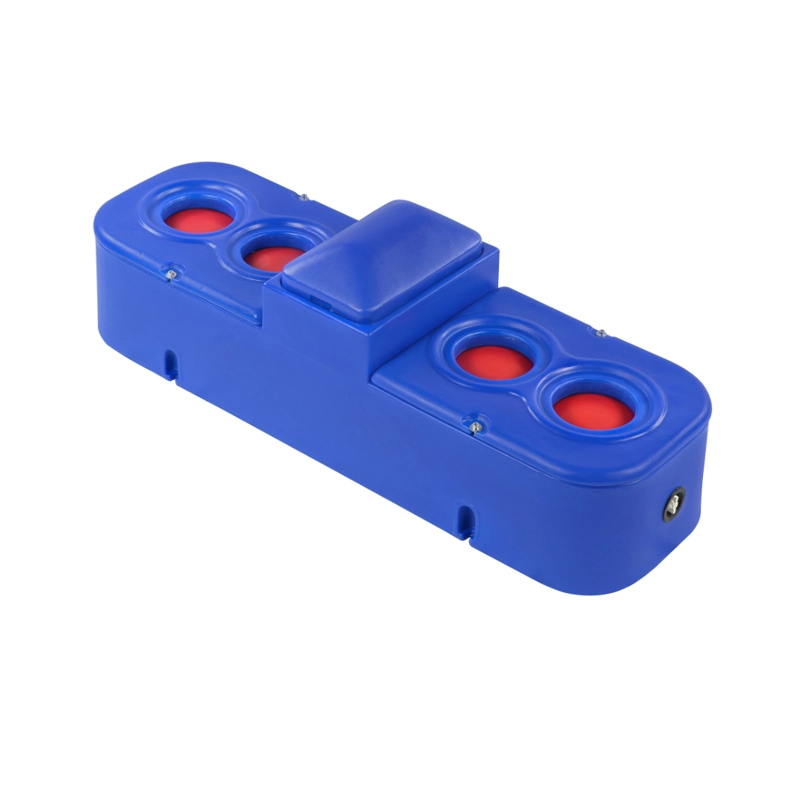
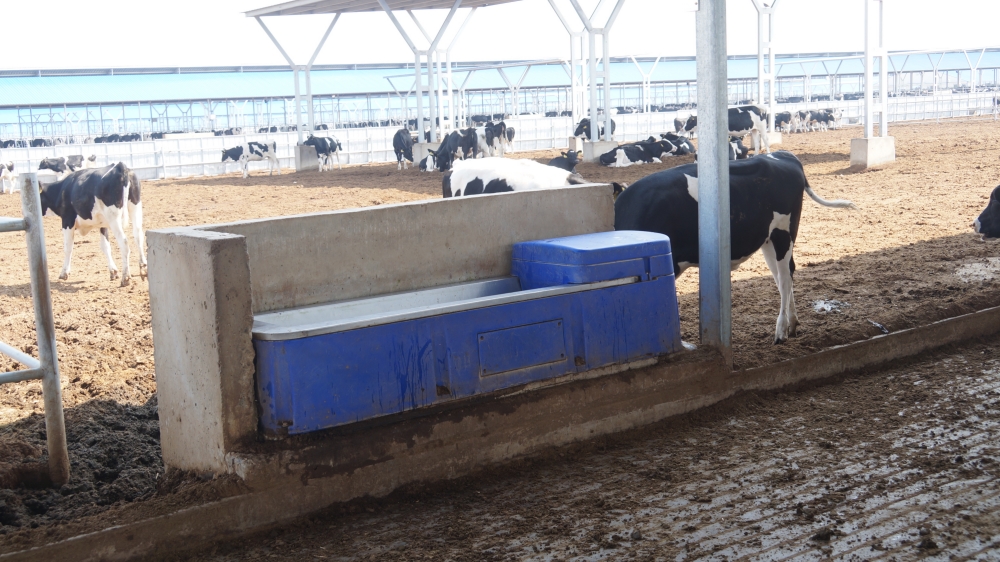
We define the Terrui TPT series water trough not as a simple tank, but as a composite-material environmental shield. It is a livestock hydration terminal designed specifically for high-density beef and dairy facilities. Its physical architecture is built on a "Dual-Barrier" philosophy: the internal water-contact surface is cold-rolled 304 stainless steel. This isn't just for looks; it’s about molecular density. Stainless steel maintains a microscopic smoothness that molded plastics simply cannot match over time.
The structural housing of the water trough is manufactured from heavy-duty, UV-stabilized polyethylene (PE) via a precision "One-shot Roto-molding" process. The critical innovation lies in the internal cavity. Between the stainless steel plate and the outer PE housing, we inject solid polyurethane (PU) foam under high pressure. This creates a dense, multi-layer thermal barrier with extremely low thermal conductivity. Instead of relying on a separate heavy metal frame that is prone to rust, the water trough relies on the integrated rigidity of the Roto-molded PE housing itself, which distributes the weight of 400 liters of water across a wide surface area.
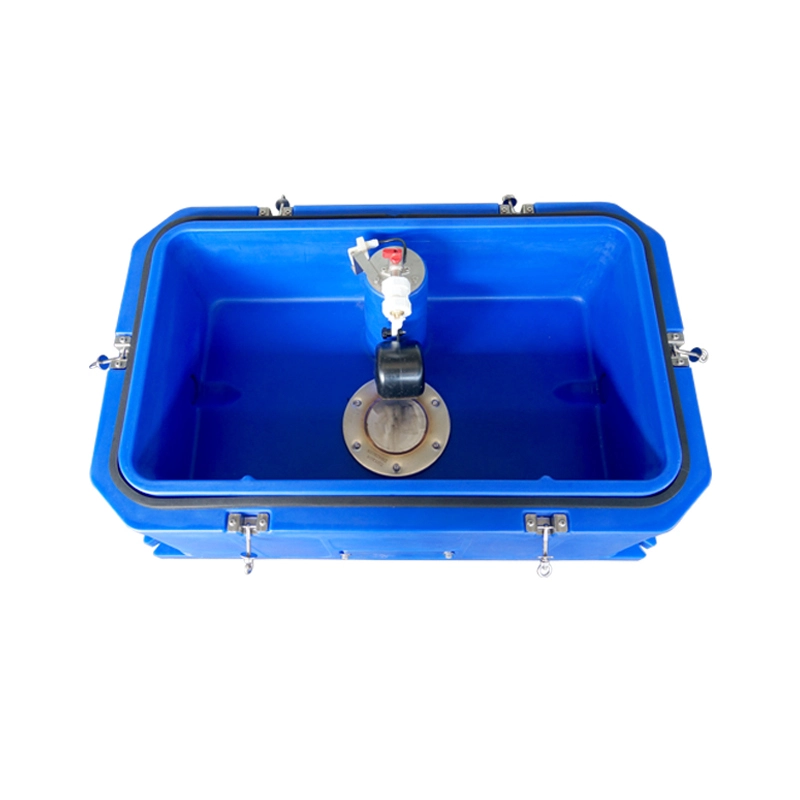
Mechanically, the water trough is equipped with a 1-inch high-flow float valve. This isn't your standard hardware store valve; it is a sealed, industrial-grade unit designed for 120L/min replenishment. Beneath the steel lining, the system houses an 1800W heating module in a completely dry, isolated chamber. This "indirect heating" ensures that the water volume remains thermally stable without ever exposing electrical components to moisture—a common failure point in legacy water trough designs that use immersion heaters.
Why: Solving the "Biofilm Trap" and Cold-Induced Stress
Why should a progressive ranch manager dump their cast iron tanks for a composite water trough? The answer is found in the hidden biological and financial costs of poor hygiene.
1. Eliminating Somatic Cell Count (SCC) Triggers
The core problem with standard plastic water trough units is "surface pitting." Over time, the sun and cleaning brushes create microscopic scratches. These scratches become havens for biofilms—slimy bacterial colonies that are resistant to standard sanitizers. When a cow drinks from a contaminated water trough, it ingests these pathogens, triggering an immune response that spikes the Somatic Cell Count (SCC) in your raw milk. Terrui’s 304 stainless steel lining eliminates this "Biofilm Trap." It doesn't pit. It doesn't flake. It stays microscopically smooth, ensuring that when you wash the water trough, the pathogens are actually removed, not just hidden.
2. Preventing "Cold Bridge" Heat Loss
While all-metal troughs are easy to scrub, they are thermal liabilities. In winter, metal acts as a "cold bridge," conducting heat away from the water and toward the freezing air. This forces your heaters to run 24/7, driving up energy bills. The PE-jacketed insulation in the Terrui water trough functions like a high-performance thermos. It traps the warmth from the 1800W system, keeping the water at a constant 10°C–15°C. This prevents "Cold-Induced Stress," where animals drink less because the water (or the water trough rim) is painfully cold, directly impacting their metabolic efficiency.
3. Resistance to Aggressive Industrial Sterilization
Modern biosecurity requires the use of heavy-duty alkali or acid cleaners. European cast iron or basic galvanized water trough models oxidize and rust under this chemical stress. Once the rust begins, the water trough is a permanent hazard. The Terrui TPT series uses 304 stainless steel which is chemically inert. You can use high-frequency sterilization for years without seeing a single spot of corrosion.
4. Elimination of Trauma-Induced Udder Infection
Rough, corroded edges on a legacy water trough are a silent cause of udder abrasions. These physical injuries are entry points for environmental pathogens. Our composite design buries all metal borders deep within the smooth, rounded contours of the Roto-molded PE frame. This "Safe-Edge" engineering removes the risk of physical trauma, ensuring the water trough protects the herd’s physical safety as much as its biological health.
How: Implementing 60-Second Sanitation and Thermal Logic
To achieve a high ROI, the water trough must minimize labor hours while maximizing biosecurity.
The Roto-Molding Thermal Seal
The technical advantage of the Terrui water trough starts with the physical seal between the 304 stainless steel panel and the Roto-molded PE body. We don't use standard glues that fail under thermal expansion. Instead, the steel liner is flush-fitted during the molding phase, ensuring zero hidden gaps. When a ranch hand uses a high-pressure spray to clean the water trough, the debris has nowhere to hide. This transforms a difficult cleaning chore into a standard 60-second industrial procedure.
120L/min High-Flow Logic
Hygiene is also about "Fresh Water Turnover." A stagnant water trough is a petri dish. Our system utilizes a 1-inch sealed high-flow float valve. This unit delivers up to 120 liters per minute. As soon as the herd begins drinking, the water trough responds with a massive influx of fresh, oxygenated water. This rapid replenishment prevents "water competition stress" and keeps the water moving, which is the most natural way to suppress bacterial replication in an open-air barn environment.
Dry-Chamber Indirect Thermal Transfer
In most heated water trough units, the heating element is a maintenance nightmare—it scales up, shorts out, or cracks. Terrui isolates the 1800W heating element in a sealed, dry chamber positioned directly beneath the stainless steel floor. This "Indirect Heat Transfer" ensures that the heat is conducted evenly across the metal surface for maximum anti-freezing efficiency. More importantly, it shields the electrical components from the moisture of high-pressure washing, guaranteeing an operational life of over 10 years without component failure.
High-Density Polyurethane Injection
The insulation in our water trough isn't just a layer of foam; it is high-density polyurethane injected under pressure to fill every microscopic void. This prevents "sweating" inside the housing and ensures that the water trough maintains its R-value even after years of physical impacts from heavy livestock. It also adds a level of structural damping that makes the water trough incredibly impact-resistant.
FAQ: Engineering Inquiries for the TPT Water Trough Series
Q1: Why use a stainless-PE hybrid instead of just a 100% stainless steel water trough?
A 100% stainless steel water trough is a thermal nightmare in the winter. It loses heat so fast that your electricity bills will skyrocket just trying to keep the surface from freezing. The Terrui PE-jacketed design combines the non-porous hygiene of steel with the thermal efficiency of a high-end insulated thermos, giving you the best of both worlds.
Q2: Is the 304 stainless steel lining resistant to the harsh acids used in dairy cleaning?
Absolutely. Food-grade 304 stainless steel is specifically chosen for its resistance to organic acids, chlorine solutions, and alkaline sanitizers commonly used in commercial dairies. It will not pit or rust, ensuring the water trough remains easy to sanitize for its entire service life.
Q3: Does this water trough contain any galvanized metal framing that could rust?
No. We have engineered the structural integrity of this water trough to rely entirely on the heavy-duty, Roto-molded PE housing and the solid polyurethane core. By removing the need for an external metal frame, we have eliminated the risk of rust and corrosion that typically plagues older drinking tank designs.
Q4: How does the surface smoothness of the water trough impact the ranch's milk quality?
Bacteria hide in surface pits to form biofilms. If the water trough surface is smooth, the bacteria have nowhere to attach. Cleaner water leads to a healthier immune system in the cows, which directly correlates with a lower somatic cell count (SCC) and higher milk premiums from the dairy processor.
Q5: Can the heating system handle sudden cold water refills after a cleaning cycle?
Yes. The 1800W dry-chamber heating system is designed for high-speed recovery. When you combine this power with the thick polyurethane insulation of the water trough, the system can rapidly bring fresh incoming water back up to the ideal drinking temperature of 10°C–15°C even in sub-zero conditions.
Q6: How durable is the outer PE shell against impacts from a 700kg cow?
The outer shell is manufactured using high-density, impact-resistant polyethylene via a One-shot Roto-molding process. This makes the water trough housing incredibly tough. It won't crack or shatter under the physical pressure of livestock crowding or bumping, which is a common failure point for brittle plastic tanks.
Conclusion
The technical details of a dairy farm's drinking infrastructure directly impact its bottom-line profitability. A traditional water trough that harbors biofilms is not just "old gear"—it is an active biological threat to your herd's health. Terrui's composite systems replace these outdated designs with a scientifically backed, hygiene-first architecture. By pairing the non-porous, easy-to-sanitize properties of 304 stainless steel with the superior thermal retention of Roto-molded PE, we provide a solution that protects animal welfare and milk quality simultaneously. If you are ready to eliminate the "biofilm trap" and slash your veterinary expenditures, contact our engineering team today for a custom ranch layout or download our latest water trough specification catalog for your 2026 facility upgrades.


 English
  中文
中文  日本語
日本語  français
  Deutsch
  Español
  русский
  português
  العربية