Summary
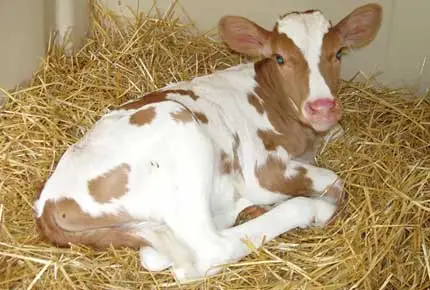
In the day-to-day management of high-density commercial dairies, deploying a premium low noise fan for cattle operates as a critical asset to protect daily milk production. Intense summer heat loads naturally induce significant metabolic stress, but when dozens of high-volume exhaust fans operate simultaneously with loose mechanical tolerances, the resulting structural rattling and high-decibel metallic groaning introduce severe acoustic trauma to the herd. This continuous environmental sound stress directly suppresses the neurological pathways governing oxytocin secretion—the primary hormone responsible for smooth milk letdown—leading to incomplete milking cycles, decreased stall rest, and abbreviated rumination periods. Terrui addresses this hidden operational drain through extensive fluid dynamics and acoustic dynamic control optimization on our 86 inch fiberglass panel fan, strictly locking full-load sound levels below 70 decibels. This comprehensive technical analysis examines how focused dynamic balancing engineering eliminates acoustic shock, optimizes natural herd behavioral patterns, and converts a quieter, low-stress barn climate into higher, more reliable daily milk revenue across all seasons.
What
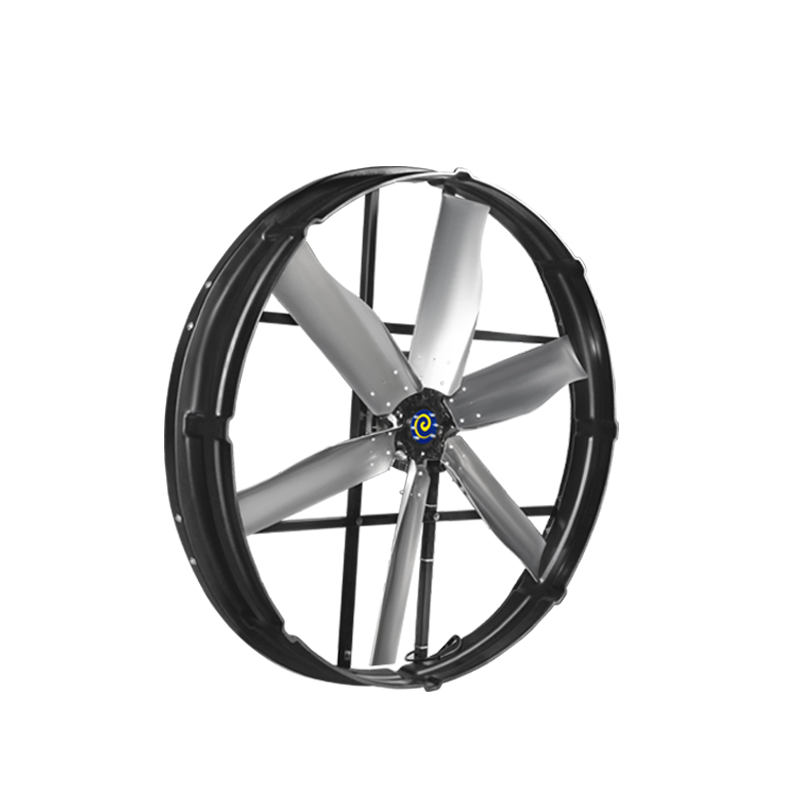
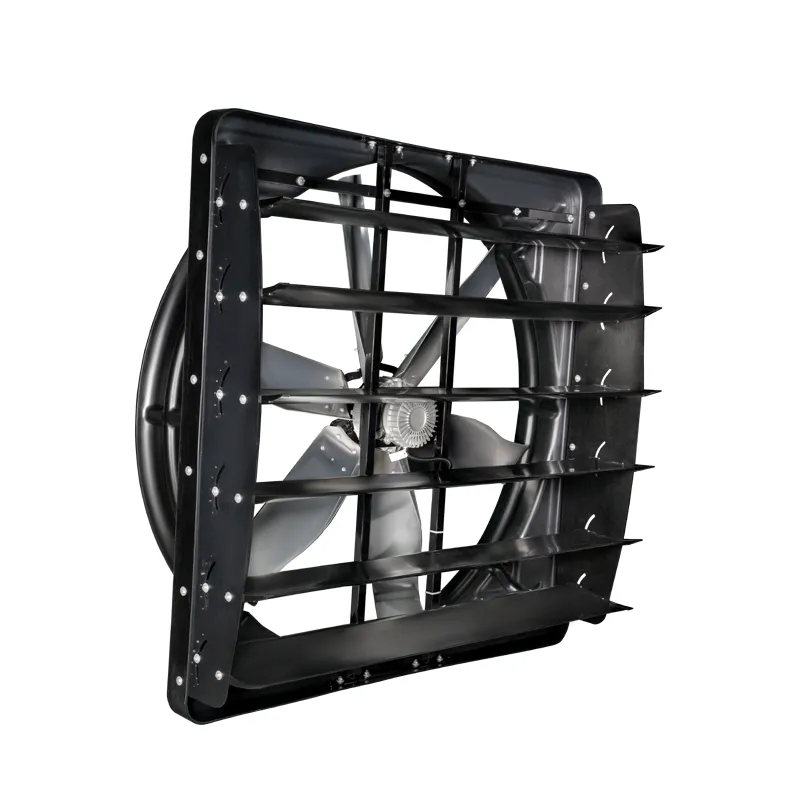
From the interconnected standpoints of industrial fluid machinery fabrication and precise livestock environmental control engineering, this 86 inch variable-frequency direct-drive panel fan operates as a premium, high-volume industrial-grade low-decibel heavy-duty air micro-circulation system.
The main frame cabinet housing is composed of heavy-duty, impact-resistant high-strength fiberglass molded into a seamless, unified structure, offering supreme resistance against ammonia corrosion alongside high mechanical acoustic damping properties. The core mechanism driving its ultra-quiet performance profiles centers on the internal 6-piece aluminum alloy blade assembly stamped from selected alloy stock with a robust 4 mm thickness profile. These components are engineered as rigid balanced aluminum blades integrated via a high-precision, one-time industrial riveting sequence. This specific fabrication method completely removes the micro-geometric warps and joint slippage typical of welded or bolt-together arrays, ensuring the center of gravity lines up flawlessly with the rotational axis to deliver stable dynamic balance performance. For its mechanical drive setup, the unit utilizes an advanced Outer rotor permanent magnet brushless DC motor configured for direct drive operation. By strictly omitting all drive belt configurations from the internal transmission chain, the system entirely eradicates high-frequency belt screeching.
Why
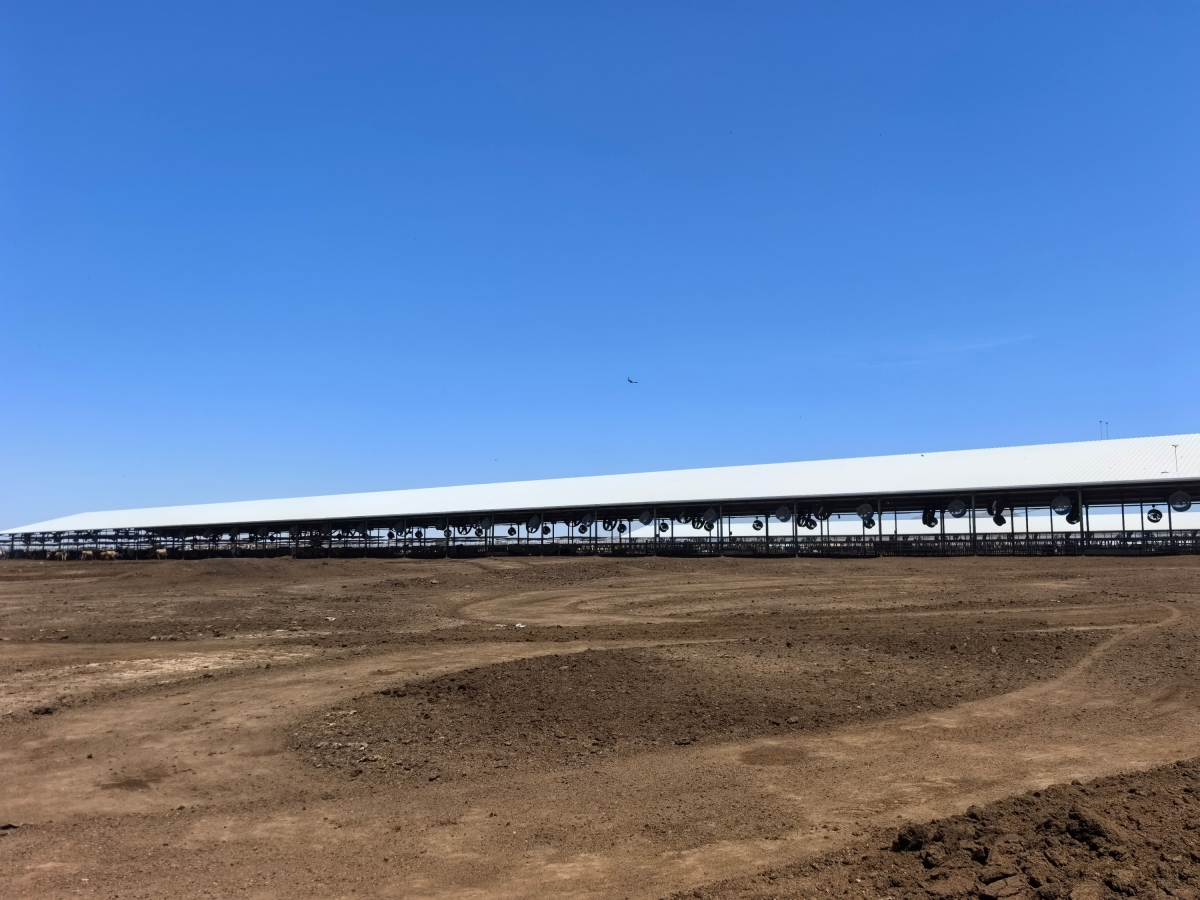
Operating standard, un-optimized ventilation lines that neglect noise and vibration control across modern free-stall facilities subjects dairy operators to ongoing production losses and elevated capital depreciation:
Acoustic Shock Disrupting Oxytocin Release: A dairy cow’s threshold for environmental sound stress is much lower than a human's. When conventional un-calibrated metal fans generate intense structural rattle and low-frequency resonance, the herd secretes elevated pressure hormones like cortisol. This hormonal spike blocks oxytocin pathways, causing cows to hold back milk and leading to a drop of 5% to 10% in individual milking yields.
Elevated Decibels Abbreviating Free-Stall Rumination: For optimal metabolic performance and high nutrient absorption, high-producing dairy cows require 10 to 14 hours of undisturbed rest and rumination per day. Shaking, noisy barn fans cause continuous herd anxiety, preventing cows from lying down calmly and leading to abbreviated rumination cycles that lower overall feed conversion efficiency.
Physical Vibrations Driving Structural Deformations: Loud structural groaning and air turbulence are the direct results of balance failures within the fan matrix. When thin-gauge blades drift out of balance, the resulting centrifugal forces strain the bearings and motor mounts, causing panel cracks, motor failure, and driving up asset depreciation and maintenance costs.
Technical Transition: This specialized low noise fan for cattle integrates precision sound engineering to stop these operational losses: first, the precision-machined balanced aluminum blades offer perfect dynamic balance, smoothing air shear noise and limiting rotational vibrations at maximum 320 RPM operation to keep decibel levels below the 70 decibels comfort boundary; second, the beltless outer rotor direct drive removes mechanical friction squeals, with an IP55 sealed enclosure that guarantees quiet performance over long lifecycles; third, the heavy-duty fiberglass panel fan housing features high structural damping properties, absorbing resonance to maintain a quiet milk-production climate where cows can relax and ruminate.
How
Inside commercial free-stall facilities running under intense summer heat loads or navigating freezing winter environments, the low-decibel fan framework protects herd welfare and maintains profit margins through a structured three-stage process:
4.1 Stage 1: Full-Capacity Operation Under 70 Decibels
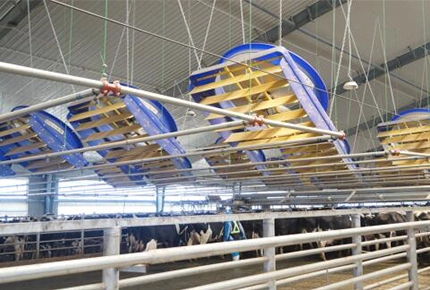
During peak summer afternoon heat waves when the Temperature-Humidity Index (THI) spikes, the farm operator activates the ventilation lines. While conventional metal fan banks create a loud noise barrier across the facility, this high-volume fiberglass panel fan ramps up smoothly to its maximum 320 RPM operating speed. Supported by the one-time riveted dynamic balance calibration of the balanced aluminum blades, the system discharges an air volume of 155000 m³/h while keeping ambient sound readings below ≤70dB, leaving only a clean rush of air without metallic screeching or shroud rattle.
4.2 Stage 2: Acoustic Stress Elimination Supporting Natural Stall Rest
Under this quiet micro-climate, the herd relaxes. Freed from loud mechanical groaning, the cows use the free-stalls naturally rather than crowding away from loud equipment zones. This specialized low noise fan for cattle runs so quietly that the cattle lie down comfortably on the bedding rows to ruminate. Based on fluid dynamics principles, the integrated guide vanes precisely shape the air discharge, maintaining a strong cooling velocity of 6.0 m/s at a 6-meter distance and 5.3 m/s at a 12-meter distance along the core stall rows, ensuring convective heat dissipation directly over the resting herd.
4.3 Stage 3: Low-Speed Winter Micro-Circulation via Automated IoT Group Control
When the facility transitions into the cold winter production season, the control framework automatically updates its environmental profile. The fan line links with indoor high-precision temperature and humidity sensors. Running smoothly at its lowest rated speed in a near-silent configuration, the fan lines drive stable indoor air micro-circulation. Without disturbing the base thermal layer of the barn, the system continuously removes ammonia, carbon dioxide, and excess air moisture, ensuring a balanced heat distribution across the facility and eliminating winter respiratory or hoof stresses linked to damp stagnation.
FAQ
Q1: How sensitive are dairy cattle to environmental sound, and what are the direct costs of loud barn fans?
A: Dairy cattle have high auditory sensitivity. When barn fans rattle and sound levels exceed comfortable thresholds, acoustic stress limits oxytocin secretion, causing cows to hold back milk and leading to an immediate drop of 5% to 10% in daily yields. Investing in a dedicated low noise fan for cattle is essential to prevent these hidden losses.
Q2: What role does the one-time industrial riveting sequence play in lowering noise outputs for these balanced aluminum blades?
A: Conventional barn fans often use bolted segments or multi-piece welded blade assemblies that shift over time, creating a loud rumble. Our heavy-duty balanced aluminum blades are secured with a one-time industrial riveting sequence to form a uniform assembly that limits structural vibration and keeps sound outputs under 70 decibels.
Q3: Does the low-noise configuration reduce the fiberglass panel fan cooling velocity?
A: No. This industrial fiberglass panel fan outputs a massive air volume of 155000 m³/h. Its quiet performance is achieved through aerodynamic optimization rather than lowering motor output. Verified testing shows that the fan maintains a strong cooling velocity of 5.3 m/s at a distance of 12 meters along the stalls.
Q4: How much maintenance and electricity overhead can the direct-drive EC motor save over a long lifecycle?
A: The fan features an advanced EC motor delivering an exceptional energy efficiency ratio of 46.9 m³/h/W. By strictly omitting belts and pulleys from the transmission chain, it entirely removes belt friction noise and delivers zero-maintenance performance, significantly lowering annual electricity bills and replacement part costs.
Q5: What material science advantages does the high-strength fiberglass housing provide for sound dampening?
A: Compared with standard metal sheet casings, high-strength fiberglass possesses excellent internal mechanical damping properties. This composite framework operates as a natural acoustic buffer, effectively absorbing and dulling physical resonance generated by high-speed components, ensuring the system sustains its quiet sound criteria over long lifecycles.
Q6: How does the system execute smart environmental control profiles during winter operations?
A: During winter, the fan lines run smoothly at ultra-low speeds in a near-silent configuration. This setup drives stable indoor air micro-circulation to continuously expel toxic gases and excessive moisture without disturbing the base thermal layer of the barn, ensuring a balanced heat distribution across the facility.
Conclusion
Commercial dairy science and farm operations confirm a clear principle: a quieter barn is a more productive barn. By combining a 6-blade 4 mm one-time riveted balanced aluminum blades assembly with a beltless outer rotor direct drive configuration and a high-damping fiberglass panel fan shell, our 86 inch panel fan delivers an air volume of 155000 m³/h while keeping full-load noise levels under 70 decibels. This focus on sound abatement removes a key cause of environmental herd stress, offering farm owners an effective way to protect daily milk letdown and support long-term animal welfare.


 English
  中文
中文  日本語
日本語  français
  Deutsch
  Español
  русский
  português
  العربية