Create Time: 03 ,12 ,2026
Maintaining the optimal thermal comfort zone for dairy cattle is no longer a luxury—it's a physiological necessity for milk production.
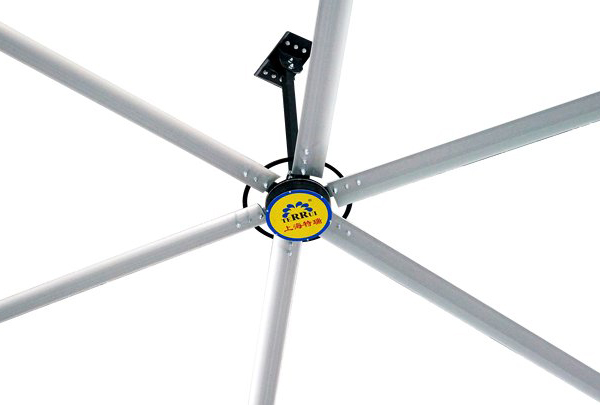
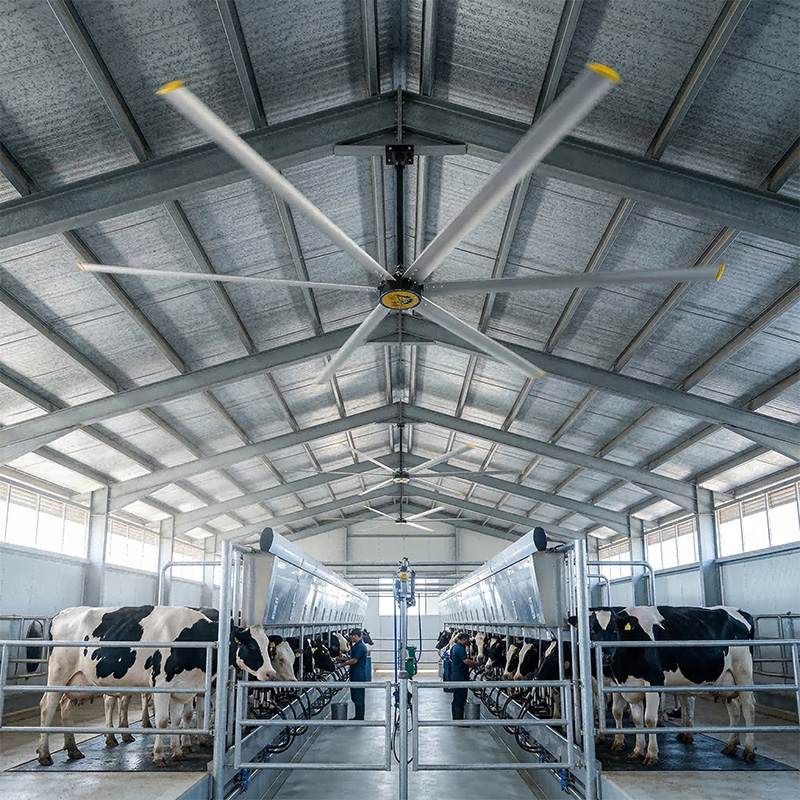
As global temperatures rise, heat stress has become the silent killer of farm profitability. For large-scale livestock facilities, the HVLS ceiling fan for large spaces by Terrui offers a sophisticated solution to environmental control.
The Science of Cooling Dairy Cattle
Cows are most productive when temperatures stay between 5°C and 25°C. Once the heat index climbs, cows experience heat stress, leading to decreased dry matter intake (DMI) and a significant drop in milk yield. Traditional small-speed fans often create "dead zones" and consume excessive power. This is where the Industrial BLDC motor ceiling fan steps in.
By utilizing High-Volume, Low-Speed (HVLS) technology, these 24ft giants move massive columns of air slowly. This creates a natural "evaporative cooling" effect on the cow’s skin, reducing their core temperature without causing the nervous agitation often associated with high-velocity blast fans.
Why BLDC Technology Matters in Farming
Agriculture is a high-overhead business. Energy efficiency is paramount. Terrui's integration of the Industrial BLDC motor ceiling fan technology allows for:
Silent Operation: Unlike traditional gear-driven fans, BLDC motors are whisper-quiet, reducing stress levels in the barn environment.
Maintenance-Free Longevity: With no oil leaks (a risk in gearbox models) and fewer moving parts, these fans thrive in the dusty, humid conditions of a dairy parlor.
Precise Control: Variable speed settings allow farm managers to adjust airflow based on real-time humidity and temperature sensors.
Benefits Beyond Cooling: Air Quality and Bedding
A 24ft HVLS ceiling fan for large spaces does more than just cool. It manages the microclimate. Constant airflow helps dry out bedding more quickly, significantly reducing the growth of mastitis-causing bacteria. Furthermore, it clears out ammonia and carbon dioxide, ensuring the herd breathes fresh air year-round.
For the modern dairy entrepreneur in Europe or North America, investing in Terrui's HVLS solutions is not just an equipment upgrade; it is a commitment to animal welfare and long-term ROI.


 English
  中文
中文  日本語
日本語  français
  Deutsch
  Español
  русский
  português
  العربية