Summary
Keeping open water from freezing in sub-zero winter weather is a constant fight on commercial livestock farms. The old way of doing things—throwing high-wattage electric heating rods straight into open water tanks—wastes huge amounts of power. Those old heaters create hot spots right around the coil while letting freezing winds strip away heat from the surface, which causes high electric bills and burnt-out heating elements. Fixing this takes a much smarter approach to how heat moves through the tank. By installing an engineered livestock waterer that uses a 600W heating plate mounted underneath the steel basin, farms create a balanced heating setup. This design spreads heat evenly across the whole tank floor, prevents ice down to -25°C, and keeps winter power bills way lower than traditional setups.
What
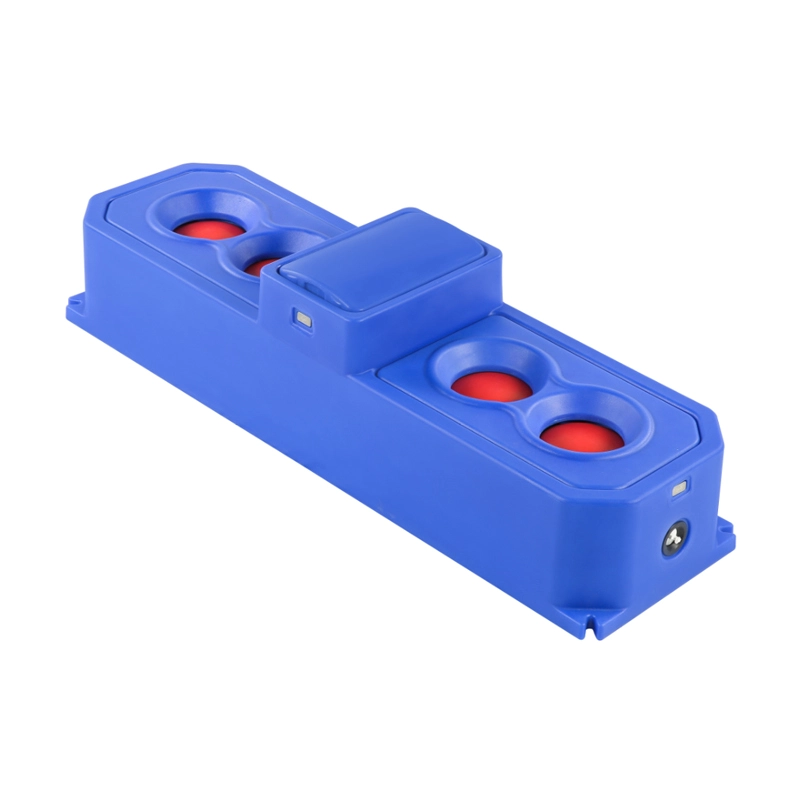
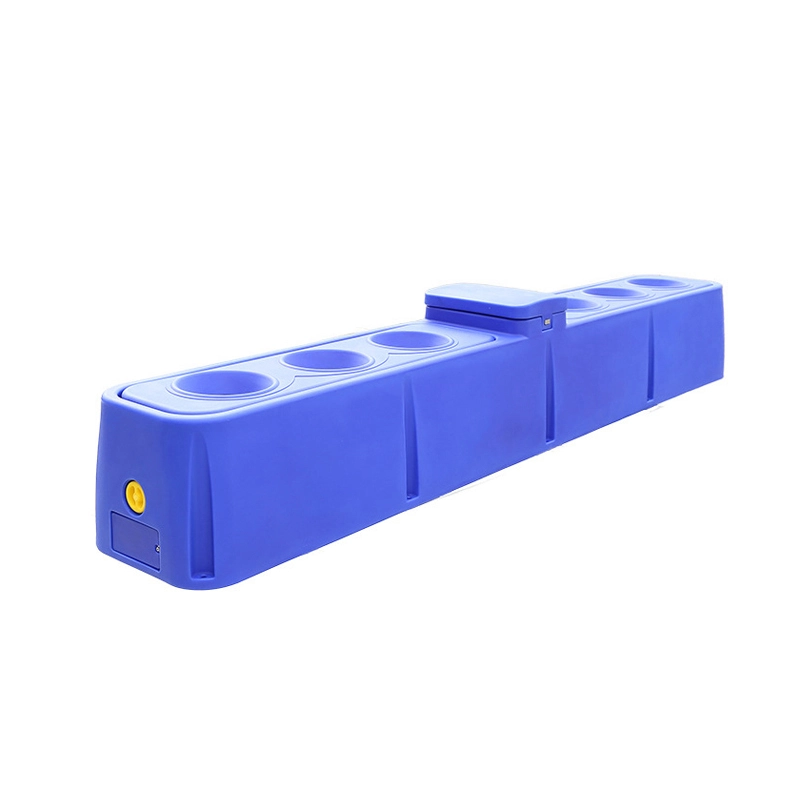
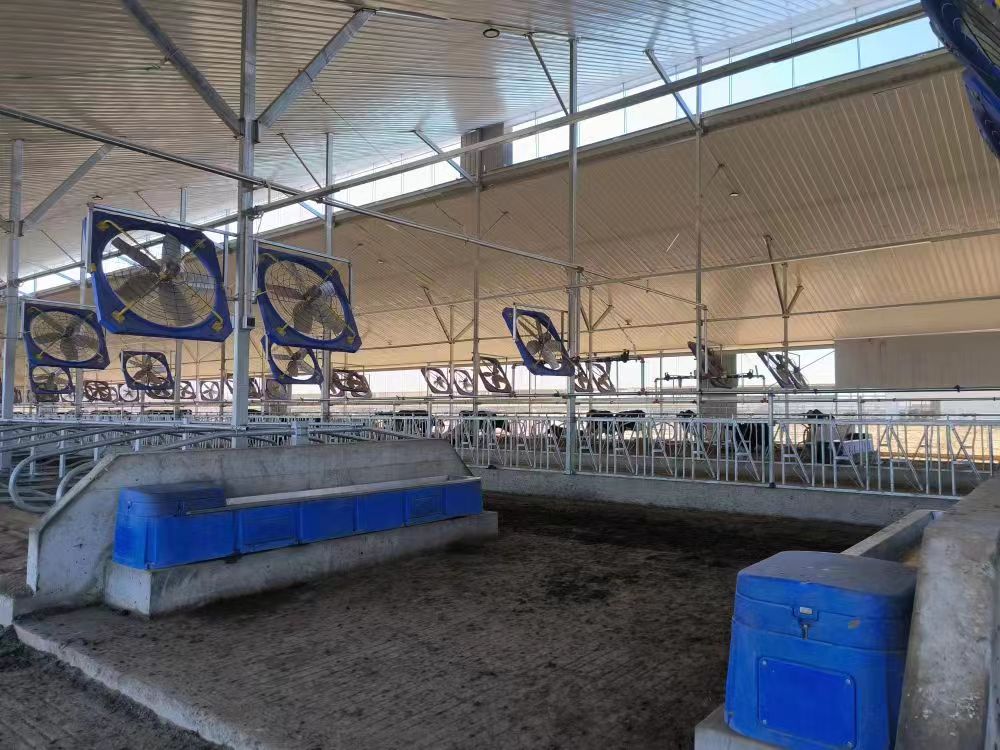
Here is how this 7.4-foot (2.25-meter) engineered trough is put together. The outer body is molded from heavy-duty polyethylene (PE) using a single-shot rotational process, giving you a tough plastic shell that handles hard hits from cattle without cracking. Inside sits a 31-gallon (120-liter) stainless steel drinking pan that stays clean and easy to wash. Built as a high-performance livestock waterer, its main feature is a 600W heating plate mounted safely underneath the stainless floor—completely out of reach of the drinking water. It also includes a 1-inch automatic float valve that pushes up to 31 GPM (120 L/min), a top-opening stainless lid for fast maintenance checks, and double-wall plastic insulation that locks warmth inside.
Why
Looking at how open stock tanks lose heat during cold weather shows why drop-in heaters waste so much money. When it is freezing outside, open water loses heat rapidly from wind, surface evaporation, and cold tank walls. Old-style immersion heaters create tiny pockets of hot water right around the element, but because water does not conduct heat very fast on its own, cold winds blow that heat away before it can warm up the rest of the tank. That forces old 2000W or 3000W heaters to run continuously just to keep a thin layer of ice from forming. Switching to an isolated livestock waterer solves this waste. By mounting a 600W heating element directly against the underside of the stainless steel floor, heat moves straight through the metal pan. The entire steel floor acts as a warm radiator, keeping the whole 120-liter water supply safely above freezing with a fraction of the power.
How
Solid-State Thermal Conduction for Direct, Even Heating
The core mechanism behind this 2.25-meter waterer is direct metal heat transfer. The 600W heating module is pressed tightly against the underside of the stainless floor inside a sealed lower compartment. Heat moves straight into the metal, turning the entire basin bottom into a gentle, low-wattage warming panel. This warms the 120 liters of water evenly from the bottom up, preventing boiling spots, hot coils, or dangerous electrical short circuits.
Double-Wall Polyethylene Insulation to Trap Heat
To keep the heat from leaking out into cold air, the outer chassis is built like a heavy-duty cooler. The single-piece roto-molded plastic shell features a double-wall design with an insulating air gap between the outer wall and the inner steel basin. This thick plastic shell blocks cold winter winds, holding heat inside the tank so the unit stays ice-free even when temperatures plunge down to -25°C.
Fresh Groundwater Inflow and Easy Maintenance Access
Fresh groundwater also helps keep the tank warm. Functioning as an industrial-grade livestock waterer, the unit features a high-flow 1-inch float valve that pumps up to 120 liters per minute of incoming well water (which usually sits around 4°C to 10°C). Every time cows drink, fresh water adds natural warmth to the tank. When it comes to routine checks, the hinged stainless top panel opens right up so farm crews can inspect the valve in seconds without taking the whole unit apart.
FAQ
What is the thermodynamic advantage of bottom thermal conduction over submerged heating rods?
Bottom thermal conduction uses direct heat transfer across the entire stainless steel floor, creating a gentle warming panel. Submerged rods create tiny hot spots that rely on slow natural convection, losing massive amounts of heat to cold winds and surface evaporation.
How does a 600W heating plate prevent 120 liters of water from freezing at -25°C?
The 600W element directly warms the metal floor, while the double-wall roto-molded PE outer body traps heat inside, keeping the water above freezing on very low power draw.
Does the bottom heating plate come into physical contact with the drinking water?
No, the 600W heating module is sealed in a dry compartment underneath the stainless steel floor, keeping power totally separate from the water to prevent stray voltage or electric shock risks.
What role does the 120L/min full-bore valve play in winter thermal management?
Incoming groundwater usually stays around 4°C to 10°C. The fast 120L/min valve rapidly refills the tank during peak drinking times, bringing natural warmth into the water supply.
What are the exact material specifications for the structural components?
The inner basin uses 1.5mm 304 stainless steel for easy cleaning and fast heat conduction, while the outer shell is made from high-impact LLDPE plastic designed to resist cracking and UV damage.
What are the exact dimensions and shipping specifications for this 2250 model?
The waterer measures 225 cm (7.4 ft) in length, 67 cm (2.2 ft) in width, and 53 cm (1.7 ft) in height, packaged individually in protective wrap for secure transit.
Conclusion
Managing winter stock water doesn't mean you have to rely on power-hungry drop-in heaters. Upgrading to a bottom-heated livestock waterer network is one of the most effective ways to lower your winter utility bills and keep fresh water in front of your herd. By combining direct steel heat transfer, hollow double-wall PE insulation, and an isolated 600W heating plate, these units stop ice formation while pulling far less power from the grid. Heavy roto-molded plastic, a fast 120L/min refill valve, and a quick-access cover give you equipment that stands up to heavy farm use season after season. For farm owners, managers, and equipment buyers looking to save money on power and protect herd health, switching to an isolated livestock waterer is a solid operational upgrade.


 English
  中文
中文  日本語
日本語  français
  Deutsch
  Español
  русский
  português
  العربية